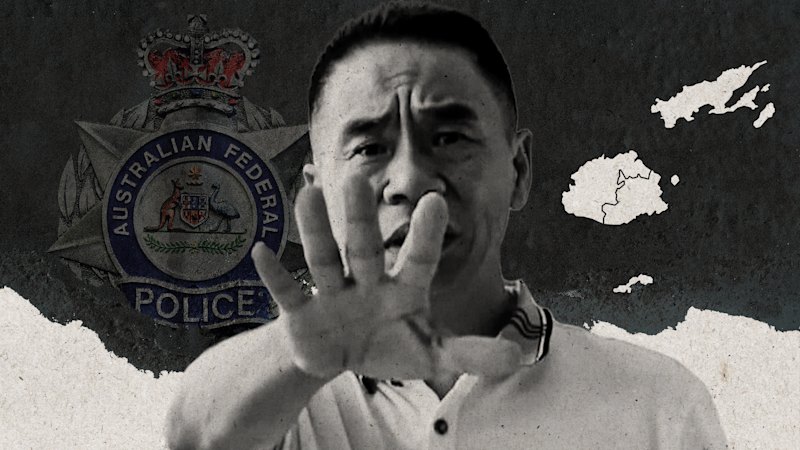
Geopolitics in the South Pacific rarely makes front-page news until money, bribes, and major superpowers collide. When the United States Department of State publicly slapped sanctions on Zhao Fugang, a prominent naturalized Fijian citizen and hotel owner residing in Suva, most mainstream coverage treated it as a standard diplomatic slap on the wrist. But if you look closer at why Zhao was targeted, it exposes a much sharper, high-stakes chess match playing out across island nations.
Washington didn't target Zhao over a minor local zoning dispute. The official designation claims that Zhao—acting as the director of the Overseas Chinese Service Center in Suva—abused his public position by funneling bribes to Fijian citizens. The goal? Advancing Chinese state, business, and criminal interests right in the heart of Oceania.
What’s Actually Happening on the Ground in Fiji
To understand why this matters, you have to look past the dry diplomatic language. Overseas Chinese Service Centers are officially billed as administrative hubs to help expats renew driver licenses or handle paperwork. Critics and intelligence analysts tell a different story. They view these centers as informal nodes for Beijing's overseas influence operations.
Zhao owns the Yue Lai Hotel in Suva, a familiar landmark that suddenly found itself at the epicenter of international scrutiny. According to U.S. statements, the corruption linked to these networks isn't just about winning commercial contracts. It creates a permissive environment where organized crime, illicit financial flows, and political interference can thrive under a layer of plausible deniability.
And Zhao isn't taking it lying down. Through his legal counsel, he has categorically denied all allegations, pointing out that no charges have been formally laid against him by local Fijian authorities. Meanwhile, the Fijian government responded with a firm reminder about national sovereignty, publicly urging Washington to hand over any credible evidence so that local legal processes and due process can take the wheel.
The Bigger Picture for Pacific Island Nations
This case is a symptom of a larger tug-of-war. Over the past few years, Beijing has aggressively expanded its diplomatic, economic, and security footprint across Pacific Island countries. From secretive security pacts in the Solomon Islands to infrastructure investments across the region, China's growing presence has alarmed traditional regional heavyweights like Australia and the United States.
When the U.S. slaps financial and travel bans on individuals like Zhao, it changes the math for local power brokers. It signals a strategic shift: Washington is starting to treat corruption in the Pacific not just as local bribery, but as a direct national security threat.
If this turns out to be a solitary enforcement action, Beijing will likely absorb the blow and business will continue as usual. But if it marks the opening salvo of a sustained campaign, every compromised official and overseas proxy across the region is going to feel the heat.
Compliance costs for foreign investors are spiking, and local governments are caught awkwardly in the middle of a superpower rivalry. Navigating the Pacific means keeping a close eye on how local legal frameworks resist external pressure—and whether regional leaders can maintain independence while cash from competing capitals keeps flowing.


