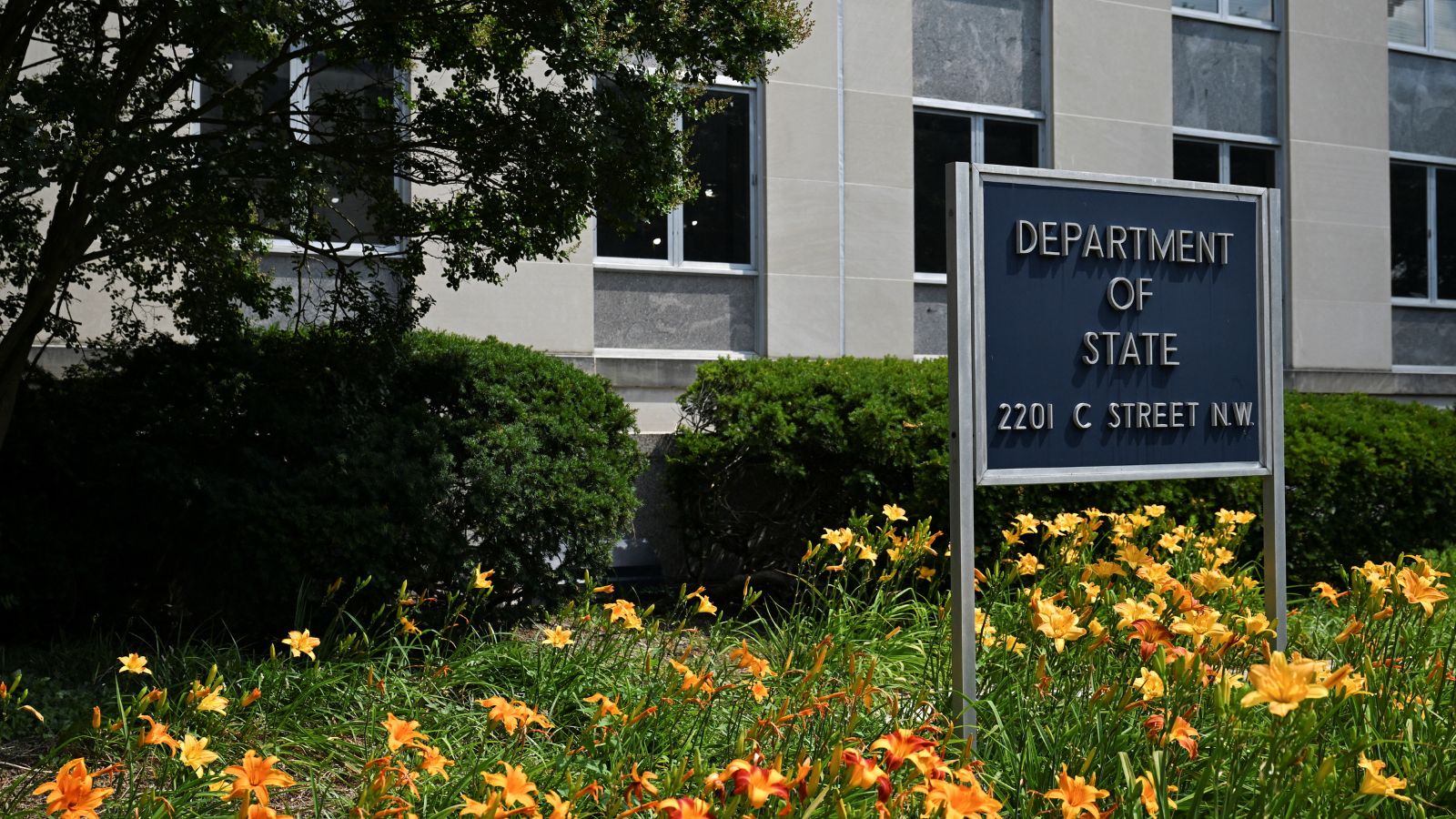
America's global diplomatic footprint is shrinking. The U.S. State Department quietly notified congressional committees about plans to shutter five foreign missions.
If you've been tracking federal bureaucracy trends, this isn't entirely shocking. But the specific locations hit hardest reveal a lot about changing foreign policy priorities under the current administration.
The chopping block includes posts in Winnipeg, Canada; Nagoya, Japan; Medan, Indonesia; Douala, Cameroon; and St. George's, Grenada. This is a rare move. Washington rarely downsizes multiple overseas diplomatic offices at once without a major war or direct geopolitical crisis forcing their hand.
Inside the Diplomatic Downsising
Why close these specific offices? Secretary of State Marco Rubio and other conservative officials argue that trimming the fat is long overdue. They view parts of the diplomatic apparatus as bloated, expensive, and out of touch.
The White House Office of Management and Budget originally pushed for an even larger cut. They targeted roughly 30 overseas missions during early planning phases. While that massive reduction didn't happen, these five closures show the budget cutters are getting their way piece by piece.
Winnipeg and Nagoya aren't backwaters. Losing a consulate in Nagoya means American businesses and citizens in central Japan lose a direct local resource. Medan is a major economic hub in Indonesia. Yet, administrative efficiency arguments won out over regional presence.
The Strategic Fallout
Critics aren't happy. Former foreign policy officials and congressional Democrats warn that pulling back creates a dangerous vacuum.
Geopolitical rivals are paying attention. China already maintains a physical diplomatic presence in several of the targeted regions, including Nagoya, Medan, and St. George's. When Washington packs up its bags, Beijing is often more than happy to step into the local diplomatic void.
Pair these closures with recent cutbacks at the U.S. Agency for International Development (USAID), and you see a distinct pattern. The strategy shifts away from soft power projection and towards domestic cost savings.
What Happens Next for Citizens and Businesses
If you live or work near Winnipeg, Nagoya, or Medan, handling visa issues, passport renewals, or local emergency services will require adjusting to new workflows. Regional embassies or alternate consulates will absorb the workload. Expect longer wait times and more friction.
The State Department hasn't dropped a final public hammer yet, sticking to standard closed-door congressional notifications. But these cuts are moving forward. Keep an eye on your local embassy portals if you rely on regional U.S. government services abroad.