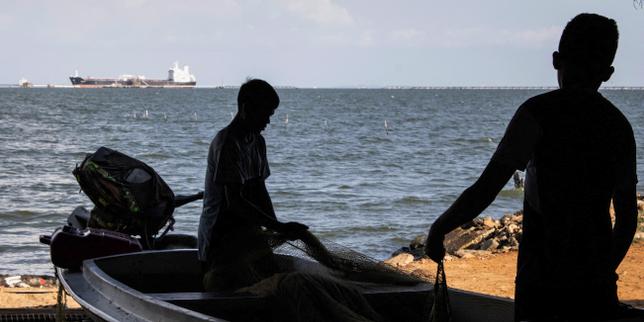
Everybody loves a simple story about good versus evil. Reality is messier. Right now, Venezuela is pumping more oil again, hitting over one million barrels per day through sheer operational grit. But this fragile economic pulse isn't a triumphant return to sovereign independence. It's happening under the heavy, watchful shadow of American pressure.
Let's look at what's actually happening on the ground instead of buying into clean media narratives.
The Mechanics of a Forced Recovery
You can't drink oil, and you certainly can't eat infrastructure that has rotted away after years of neglect and heavy sanctions. When production slumped to catastrophic lows, state-run PDVSA faced a stark choice. Shut everything down completely, or let foreign majors back in through the backdoor.
The recent bump to roughly 1.1 million barrels daily didn't come from brilliant new technological breakthroughs. It came from basic maintenance. Workers dragged old drilling rigs out of storage, patched up leaking pipes, and restarted shut-in wells in the Orinoco Belt.
Yet, these operational fixes rely heavily on outside players. Companies like Chevron didn't return out of charity. They came back because Washington carved out specific licenses, balancing geopolitical containment with an insatiable appetite for heavy, sour crude.
Who Actually Benefits From the Pumps
When foreign operators return to extract crude under strict regulatory frameworks dictated from abroad, who wins?
- The state collects immediate cash to patch a bleeding budget.
- International energy firms secure cheap access to massive reserves.
- Ordinary citizens watch inflation eat whatever trickle-down benefits might exist.
Critics call this dynamic neo-colonial. They aren't entirely wrong. When your entire national economy depends on whether a foreign government decides to renew operating waivers, you aren't truly independent. You're renting out your own backyard.
Think about the long-term cost. Decades of legal claims from corporations like Exxon and Conoco still hang over the country. Billions in outstanding international arbitration awards mean that every single tanker leaving port carries legal baggage.
Moving Past the Geopolitical Trap
If you want to understand why this recovery feels hollow to many locals, look past the production charts. Pumping more oil stabilizes a collapsing regime, but it does nothing to build a diversified economy.
Countries caught in this specific trap face a brutal cycle. They lean on the exact resource that corrupted their institutions in the first place, hoping foreign intervention will somehow fix structural rot. It won't.
True economic recovery requires independent oversight, transparent revenue management, and local technical control. Until those pieces fall into place, every barrel pumped is just another installment on a foreign-managed lease.
Take a close look at how energy markets react to shifting policy. Don't mistake temporary output spikes for genuine structural health.
Venezuela Oil Production Overview
This video provides an in-depth look at how international interventions and shifting sanctions have fundamentally shaped the current realities of Venezuela's petroleum industry.