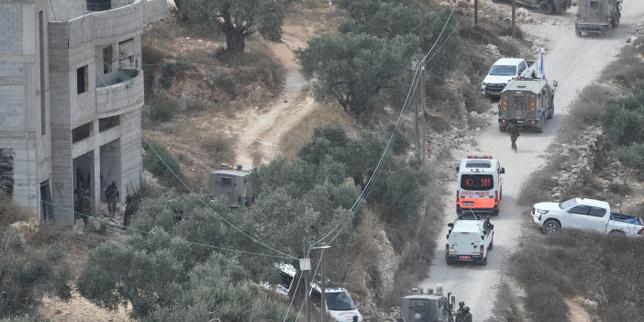
Violence in the West Bank isn't random. It follows a brutal, predictable pattern that rarely gets the sustained international attention it demands. When armed settlers descend upon a Palestinian village, the immediate aftermath involves burning cars, shattered windows, and terrified families huddled inside their homes. Then the news cycle moves on.
I have tracked regional conflicts for years, and the mechanics of these raids reveal a systemic breakdown in local protection. If you want to understand why these flashpoints keep erupting, you have to look past the breaking news alerts and examine the institutional impunity that allows rural attacks to happen with alarming frequency.
The Anatomy of a Village Raid
Imagine living in a tight-knit agricultural community where everyone knows your name. Now picture dozens of masked individuals arriving after dark, armed with stones, iron bars, and sometimes firearms. This is the reality for residents in places like Huwara, Turmus Ayya, and smaller hamlets scattered across Area C of the West Bank.
These incursions rarely happen in a vacuum. They are typically sparked by localized disputes over grazing land, olive groves, or expansion of nearby outposts. Settler violence often targets agricultural assets intentionally. Destroying a centuries-old olive grove isn't just about property damage. It strikes at the economic lifeline and generational heritage of Palestinian farmers.
When olive trees burn, families lose their primary source of income for decades. The psychological toll matches the physical destruction. Children grow up listening to night raids, learning the distinct sound of breaking glass and tear gas canisters hitting tin roofs.
Why Accountability Remains Rare
Impunity fuels repetition. Human rights organizations, including Israeli groups like Yesh Din, have documented thousands of ideologically motivated crimes against Palestinians over the past decade. The conviction rate remains shockingly low.
Law enforcement agencies frequently fail to secure indictments. Investigations drag on for months or years, witnesses drop out due to fear or lack of faith in the judicial process, and files close without charges. When arrests do occur, suspects are often released quickly or face minor charges that don't reflect the gravity of organized terror tactics.
This lack of deterrence sends a clear message. Extremist groups realize they can operate without facing serious legal consequences. Local residents are left with virtually no protection from the military forces stationed nearby, who often stand by or arrive long after the damage is done.
The Wider Economic and Social Squeeze
Attacks on villages serve a strategic purpose. They accelerate displacement. When living conditions become intolerable, when every harvest season brings the threat of arson and physical assault, families face an agonizing choice. Do they stay and risk their lives, or do they abandon their land?
This pressure cooker environment forces rural communities to organize makeshift night watches. Neighbors take turns patrolling perimeter walls, communicating via encrypted messaging apps, and trying to sound the alarm before attackers breach the village center. But volunteers armed with flashlights and whistles stand little chance against organized, masked groups backed by ideological momentum.
The economic fallout spreads outward. Trade slows down. Delivery drivers refuse to enter vulnerable zones. Investors avoid rural infrastructure projects. The local economy suffocates under the weight of perpetual insecurity.
What Needs to Change
Fixing this crisis requires political will that currently seems entirely absent. International actors issue statements of condemnation, but diplomatic hand-wringing stops no one with a torch. Meaningful deterrence demands targeted sanctions against violent instigators, genuine accountability within the justice system, and a dismantling of unauthorized outposts that serve as operational bases for agitators.
Until the cost of committing these attacks outweighs the reward, vulnerable villages will continue to bear the brunt of an unchecked escalation. Pay attention to the quiet periods between major headlines because that is when the real groundwork for the next explosion is laid.