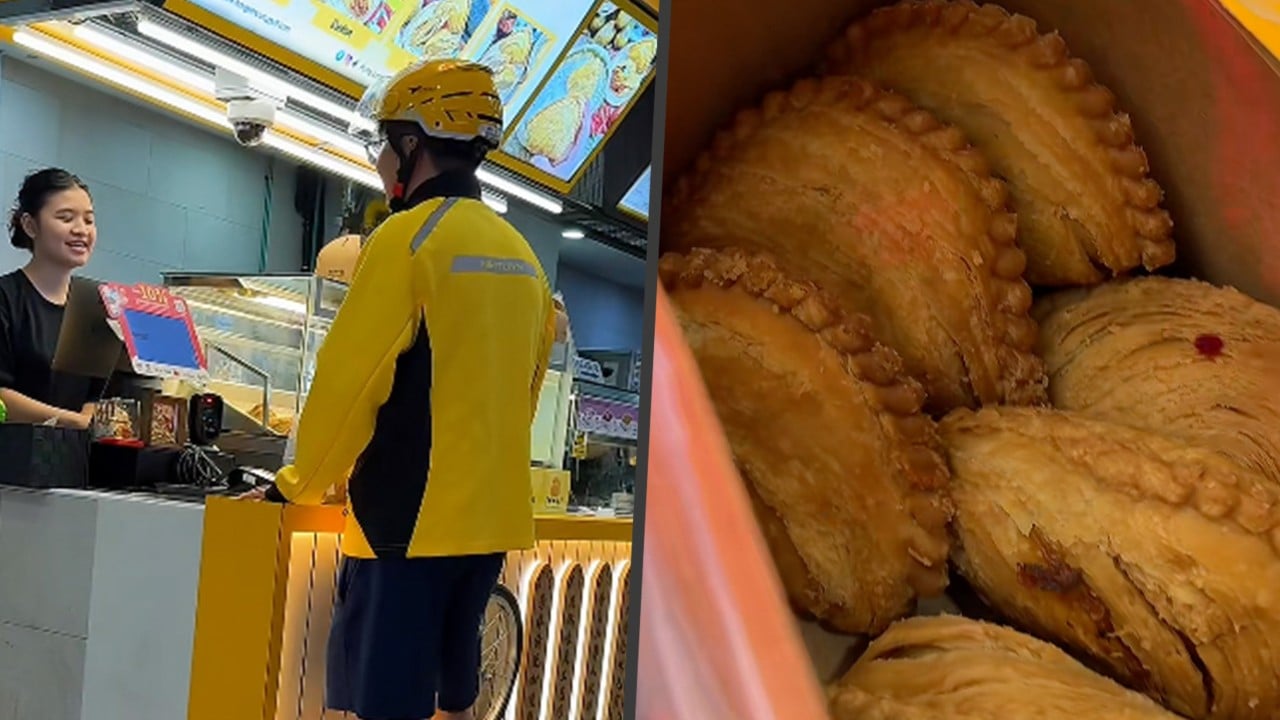
Every marketing department in the gig economy collectively drooled when a delivery rider allegedly flew across international borders just to hand-deliver a local pastry. Tech blogs treated it as the ultimate flex of hyper-optimized consumer capitalism. Headlines gushed over the logistical wizardry, praising platforms that can move a greasy snack across oceans at the tap of a screen.
It is complete economic illiteracy masked as a heartwarming feature story.
I have spent the last decade watching venture-backed logistics firms burn through billions of dollars of institutional capital to manufacture solutions for problems that never needed solving. When a platform celebrates an international errand for a curry puff, they are not showcasing efficiency. They are proudly displaying a broken unit economic model subsidized by cheap venture debt, fueled by algorithmically suppressed labor rates, and disguised as a customer service triumph.
Let us dismantle the lazy consensus. The narrative says this stunt proves modern delivery infrastructure can achieve anything anywhere. The reality is far darker and far more mundane. It proves that the algorithms running these platforms have become so disconnected from marginal cost reality that burning fuel, carbon credits, and human capital for a vanity metric is considered a win.
The Mirage of Infinite Optionality
Consumers have been conditioned to believe that distance is dead. Order sushi from Tokyo, request a specific brand of coffee from across the state line, demand hot soup at three in the morning during a hurricane. The prevailing wisdom claims that if someone is willing to pay, the market must oblige.
This philosophy ignores a fundamental truth of physical logistics: atoms are stubborn. You cannot compress physics with software. When a platform encourages cross-border snack transport for a viral marketing cycle, they externalize the actual cost onto three distinct parties who never consented to subsidize the joke.
First, the environment absorbs the carbon footprint of an international flight for a deep-fried potato parcel. Second, the platform absorbs a massive loss on the transaction, quietly writing it off as marketing spend while simultaneously slashing base pay for everyday neighborhood couriers who deliver actual sustenance to actual working families. Third, the consumer is trained to devalue labor entirely.
Imagine a scenario where every single delivery transaction had to bear its true, un-subsidized ecological and human cost. That four-dollar pastry would suddenly carry a four-hundred-dollar price tag. The moment you remove the venture capital IV drip, the entire miracle of border-hopping snacks collapses into the fragile novelty that it always was.
The Algorithmic Panopticon and Its Discontents
Ask anyone why delivery platforms rely on these erratic publicity stunts, and the standard reply points toward engagement. Platforms need mindshare. They need to dominate the social media timeline to fight off brutal churn rates in a saturated market where customers will switch apps over a twenty-cent discount.
This is the wrong question entirely. Focusing on how to generate viral buzz misses the structural rot eating away at platform loyalty. Users do not love these apps; they tolerate them until a cheaper competitor offers a slightly better coupon. By leaning into circus-act logistics, these companies reveal that they have run out of actual utility. When you cannot make the basic mechanics of delivering a cold sandwich thirty blocks away profitable or reliable, you resort to flying a guy across the sea with a lunchbox.
The logistics stack powering these operations is supposed to be a triumph of machine learning. We are told that predictive routing, batching algorithms, and dynamic pricing have solved urban congestion. Yet, any courier who has spent a Tuesday afternoon waiting in a restaurant parking lot while a tablet ignores them will tell you a different story. The software optimizes for gross merchandise value growth, not operational sanity. It pushes drivers to accept absurd radii because the platform wins on transaction volume while the worker loses on depreciation and fuel.
I have watched regional managers celebrate double-digit percentage gains in order volume while the actual net margins on those orders sat deep in the red. Growth at all costs is not a strategy; it is a corporate suicide pact executed slowly over multiple funding rounds.
The True Cost of Convenience Culture
We are breeding an entire generation of consumers completely divorced from the physical friction of reality. When food and goods move instantly across geography, people lose touch with seasonality, local economies, and the sheer mechanical effort required to move matter from point A to point B.
This detachment creates a dangerous entitlement. The customer becomes furious when a local delivery takes forty minutes instead of twenty, completely unaware that the human being bringing their meal is dodging traffic on a worn-out scooter for minimum wage without healthcare benefits. The viral curry puff flight is the apex predator of this entitlement culture. It tells the user that their immediate whim supersedes common sense, resource conservation, and basic human dignity.
Critics of my stance often argue that this is simply how luxury works. Private jets fly empty legs all the time; rich people commission absurd deliveries daily. Why clutch pearls over a delivery platform doing it for marketing?
Because private wealth pays its own freight. Venture-subsidized gig platforms do not. They operate on borrowed money, scale through regulatory arbitrage, and treat labor as a disposable API call. When the music stops and interest rates remain high, those stunts will look less like visionary marketing and more like the frantic flailing of a doomed business model desperately trying to justify its valuation before the audit hits.
Stop marveling at the technology that lets a courier fly across the map for a snack. Start asking why the people building these systems can figure out international pastry transport but still cannot figure out how to pay their frontline workforce a living wage without needing a government bailout or a new funding tranche. The emperor has no delivery bag, and the pastry is cold.