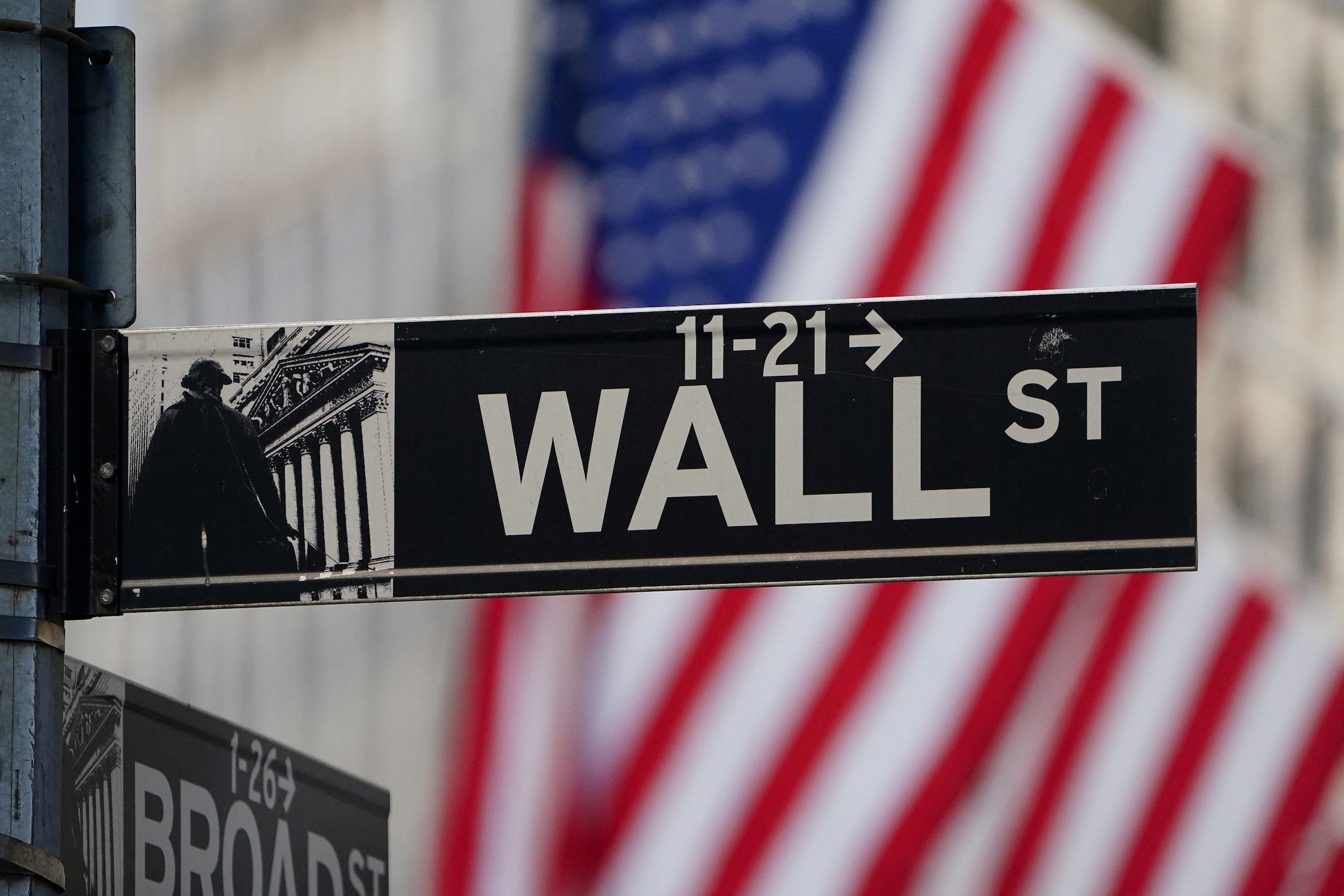
The Dow is up 170 points. The tickers are green. The pundits are beaming. They say "peace hopes" in the Middle East are the fuel for this latest rally. It is a beautiful, cohesive narrative that fits perfectly into a thirty-second news segment.
It is also total fiction.
The idea that the stock market is a rational barometer for global stability is the most persistent lie in finance. Right now, Wall Street isn't "pricing in peace." It is desperately clutching at any headline that justifies a pre-existing bias for upward momentum. If you believe the rally is built on the foundation of geopolitical harmony, you aren't just wrong—you are the liquidity for the people who actually know how this machine works.
The Peace Hope Fallacy
Markets do not like peace. Markets like predictability.
There is a fundamental difference between a world without conflict and a world where the costs of conflict are known variables. When the media attributes a 170-point jump to "Iran peace hopes," they are ignoring the cold math of the energy sector and the defense industry.
If true, lasting peace were suddenly guaranteed, the massive defense contracts that prop up a significant portion of the S&P 500 would face an existential crisis. Raytheon, Lockheed Martin, and General Dynamics aren't betting on a campfire sing-along. They are priced for a world of perpetual tension. A sudden outbreak of global harmony would actually be a shock to the system, not a catalyst for a sustainable rally.
The "rally on peace" narrative is a psychological comfort blanket. It masks the reality: investors are simply front-running the next injection of liquidity.
The Algorithmic Echo Chamber
We need to stop pretending that "Wall Street" is a group of guys in suits making moral judgments about international diplomacy. The modern market is a high-speed collision of algorithms.
These bots are programmed to scan headlines for keywords. When a wire service drops the words "Iran" and "De-escalation" in the same sentence, the buy orders execute in milliseconds. This creates a feedback loop. The price goes up because the bot bought; the human traders see the green candle and fabricate a reason for it; the media reports that reason as gospel.
By the time you read that the Dow is up because of "peace hopes," the smart money is already looking for the exit. They know that "hope" is not a strategy, and it certainly isn't a long-term economic driver.
Why Oil Prices Aren't Telling the Story You Think
The conventional wisdom says that peace in the Middle East lowers oil prices, which lowers inflation, which helps the Fed pivot, which makes stocks go up.
It sounds logical. It's too simple.
Oil is currently trapped in a supply-demand tug-of-war that has very little to do with the specific rhetoric coming out of Tehran or Washington this week. We are looking at structural deficits and refining bottlenecks that a handshake in a neutral country won't fix.
When the market rallies while oil sits at a volatile plateau, it isn't because the "inflation threat is over." It’s because the market has a short memory. We’ve seen this play out a dozen times in the last two decades. I’ve watched desks lose hundreds of millions because they mistook a temporary lull in headlines for a shift in the global energy cycle.
The Interest Rate Mirage
The "peace rally" is actually a "lower rates for longer" rally in disguise.
Wall Street is addicted to cheap money. Every time a geopolitical headline suggests things might be calming down, the market immediately bets that the Federal Reserve will have more room to cut rates. They aren't cheering for the end of human suffering; they are cheering for the return of $0 %$ interest rates.
But here is the catch: the Fed doesn't move based on "hopes." They move based on lagging data. If the Dow continues to climb on these phantom peace vibes, it creates a wealth effect that actually keeps inflation sticky. The very rally the market is throwing for "peace" might be the reason the Fed has to keep the screws tightened.
It is a self-defeating cycle that the "lazy consensus" ignores because it doesn't make for a catchy headline.
The Danger of Narrative-Based Investing
If you are buying into this rally, you are essentially saying that you trust the political stability of one of the most volatile regions on Earth more than you trust the underlying earnings of the companies you are buying.
Look at the P/E ratios. Look at the shrinking margins in consumer staples. The fundamentals are screaming for a correction, but the narrative is screaming for a party.
When the narrative and the math diverge, the math eventually wins. Always.
Common Misconceptions to Kill Now
- Misconception: "The market is a forward-looking indicator of world peace."
- Truth: The market is a reactive machine that prioritizes short-term liquidity over long-term stability.
- Misconception: "Lower geopolitical tension is always good for stocks."
- Truth: Sudden shifts in the status quo—even toward peace—can disrupt the massive industries built on the "War Economy" and energy volatility.
- Misconception: "You should follow the trend during these rallies."
- Truth: Following a trend built on a headline is the fastest way to get trapped in a "blow-off top."
The Brutal Reality of the 170-Point Jump
A 170-point move in the Dow is a rounding error in the grand scheme of a trillion-dollar economy. Using it to declare a "rally" or a "shift in sentiment" is financial astrology.
The real story isn't the peace hope. The real story is the fragility of a market that needs to invent reasons to stay at all-time highs. We are seeing a desperate search for a "Goldilocks" scenario that doesn't exist. You cannot have high growth, low inflation, no war, and cheap money all at once in the current global debt environment.
The math doesn't work.
Stop Asking the Wrong Questions
People ask, "Is it time to get back in?" or "Is the peace deal real?"
Those are the wrong questions. The right question is: "Why does the market need a peace deal to justify its current valuation?"
If the companies were actually healthy, if the earnings were actually robust, we wouldn't need to hang our hopes on a diplomatic breakthrough every Tuesday morning. The fact that the market is this sensitive to headlines proves it is built on sand.
I have seen this movie before. In 2007, everyone was "hopeful" about a soft landing. In 1999, everyone was "hopeful" about the new economy. Hope is the most expensive emotion in finance.
Your Move
Don't buy the "Peace Rally" headline. Buy the volatility.
While the retail crowd is chasing the 170-point jump, the pros are hedging. They are buying downside protection because they know that headlines are cheap and reality is expensive.
If you want to win, stop looking at what the market is doing and start looking at why it's doing it. If the reason is "hope," keep your hand off the buy button.
Wall Street doesn't trade on facts. It trades on stories. And right now, it’s telling a fairy tale.
Get out of the way before the ending changes.