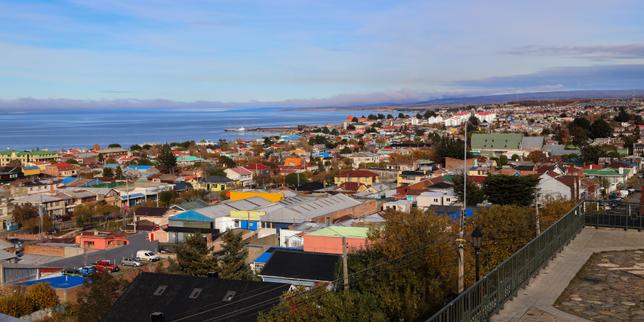
The wind at the 53rd parallel south does not blow; it bludgeons. It carries the ice of the southern Andes and the salt of two colliding oceans, whipping across the Brunswick Peninsula with a violence that makes the teeth ache. To a traveler standing on the rocky edge of Punta Arenas, looking out across the gray, churning muscle of the Strait of Magellan, this landscape feels like the absolute end of habitable reality.
But to Maria, who stands on the shore with her coat zipped to her chin, this freezing water is not the end of the world. It is a highway. It is a grocery store. It is the cemetery where her ancestors rest, and the cradle where her grandchildren are meant to fish.
Maria is a hypothetical composite of the modern Kawésqar and Yagán women currently leading an quiet war in the Chilean fjords, but her daily reality is entirely factual. Her people have navigated these labyrinthine channels for over six thousand years, moving through the freezing spray in bark canoes with open fires burning on beds of clay right in the middle of the vessel. They measured their lives not in acres of land, but in nautical leagues of kelp forests and rocky shores.
Now, they are fighting for the legal right to protect what remains of that world.
Under an innovative but heavily contested piece of Chilean legislation known as the Lafkenche Law, indigenous communities have the right to request the creation of protected marine spaces to safeguard their traditional customs. For the first time in modern history, the nomadic seafaring peoples of Patagonia are asserting ancestral custody over massive swaths of the Strait of Magellan.
The stakes are entirely invisible to the naked eye. Pass a casual gaze over the water, and you see nothing but pristine, subantarctic wilderness. Look closer, and you see a legal map carved up into a frantic gold rush of industrial salmon farms, shipping channels, and emerging green hydrogen projects.
Consider what happens when a culture built on the fluid ownership of the sea collides with the rigid, square borders of modern corporate concessions.
For decades, international corporations have viewed these isolated fjords as the perfect, unmonitored incubator for industrial aquaculture. Massive floating cages of non-native salmon consume the local oxygen, drop chemical waste onto the pristine seabed, and physically block the traditional channels where native families have harvested sea urchins and mussels for generations.
The conflict is not merely financial; it is a profound existential misunderstanding. To the Chilean state and the global economy, the sea is an empty highway, a blank space between two pieces of valuable real estate. To the Kawésqar, the water is the real estate.
But the real problem lies elsewhere. The implementation of the Lafkenche Law has ignited a fierce backlash from local industry groups and regional politicians, who argue that granting indigenous custody over these waters will paralyze the local economy. They point to the millions of dollars invested in the region and the thousands of jobs tied to the maritime industries. They paint the indigenous claims as an retroactive veto over progress.
The tension is tangible in the cafes of Punta Arenas, where standard conversations about the weather quickly veer into anxious debates about the future of the strait. It is a classic, agonizing standoff: the desperate survival of an ancient cultural identity weighed against the immediate economic anxieties of a modern frontier town.
Admitting the truth here is uncomfortable. There are no easy villains in this story. The workers on the salmon farms are not corporate monsters; they are local parents trying to pay for heating in one of the coldest climates on earth. The indigenous leaders are not anti-progress radicals; they are desperate protectors watching the literal ecosystem of their language and history dissolve under a wave of industrial pollution.
Standing on the shore as the sun dips below the mountains, throwing long, bruised shadows across the water, the sheer scale of the conflict becomes overwhelming. The Strait of Magellan has survived the passage of early explorers, the brutal decimation of its original peoples during the ranching booms of the nineteenth century, and the sudden shifts of global trade.
Now, the battleground has shifted to the very water itself. Whether Chile chooses to honor the ancient, invisible borders of its first mariners or surrender the fjords to the highest bidder remains an open, bleeding question. But as long as the wind keeps howling off the ice fields, people like Maria will keep returning to the water, claiming the tides that have belonged to them since the beginning of time.