Ink leaves stains. Words linger long after microphones are switched off and the studio lights cool down.
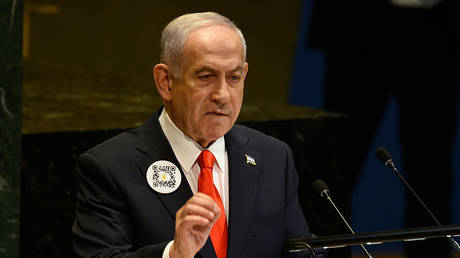
When Benjamin Netanyahu pointed a finger across the geopolitical divide and accused Mahmoud Mamdani of fomenting hate, he was not merely trading insults in the global arena. He was pulling a thread that binds speech to survival, theory to bloodshed, and academic discourse to the immediate, heavy reality of political conflict.
To understand why a statement from Jerusalem about a scholar can send shockwaves through lecture halls and newsrooms alike, you have to step away from the abstract headlines. You have to look at the machinery of modern rhetoric.
Imagine a room. It is quiet. A man stands at a podium, adjusting his notes. He speaks of history, of power structures, of colonial legacies and indigenous resistance. To a student in a university courtyard thousands of miles away, those words sound like an intellectual key unlocking a door to justice. They provide a vocabulary for outrage. They give shape to a vague, formless anger about the state of the world.
Now, change the vantage point.
Imagine another room. The air smells of smoke and burnt iron. Sirens wail in the distance. To a family huddled in a shelter, listening to reports of rockets and retaliatory strikes, those same academic phrases do not sound like lofty philosophy. They sound like a target painted on their backs. They sound like justification.
This is the chasm where the friction lives.
Language is rarely neutral. When prominent figures clash over who is inciting animosity, they are fighting over the boundary line between legitimate critique and dangerous provocation. On one side stands the defense of free expression, the vital right to interrogate history, question state actions, and dismantle orthodoxies. Without that right, politics decays into propaganda. On the other side stands the stark reality of radicalization, where abstract theories can harden into blunt instruments of hostility.
History whispers a warning here. We have seen how easily intellectual frameworks can be weaponized. We know from past political flashpoints that when leaders accuse critics of fomenting hatred, they often aim to shrink the perimeter of acceptable debate. They want to label dissent as treason, critique as malice.
Yet, to pretend that words carry no cost is equally dangerous.
Consider what happens when political rhetoric crosses the threshold from analysis to incitement. The line is thin. It is guarded by context, tone, and intent. But in the digital age, context is the first casualty. A complex lecture is clipped into a thirty-second video. A nuanced historical argument is stripped of its caveats, packaged, and hurled into the algorithmic arena where nuance goes to die.
What remains is pure emotion. Fear. Anger. Retaliation.
When Netanyahu levied his accusation, he tapped into a deeply rooted anxiety about how international discourse shapes local danger. For a nation constantly measuring its security in meters and minutes, external criticism—especially from influential intellectuals—feels like an existential threat. It shapes diplomatic isolation. It fuels hostile movements on foreign campuses. It alters the weather of global opinion.
Conversely, for critics of Israeli policy, pointing to state actions is a moral obligation. To them, silencing voices that challenge the status quo is an attempt to evade accountability. They argue that calling out hate is frequently used as a rhetorical shield to deflect from structural injustices on the ground.
Two truths grind against each other here, refusing to fit into a neat, comfortable box.
First, intellectual freedom must be guarded fiercely. The moment we allow political leaders to dictate who is allowed to speak on global conflicts, we surrender our own capacity for independent thought.
Second, speech carries consequences. Those who hold platforms of influence, whether in government or academia, operate within a high-stakes ecosystem where careless phrasing can cost lives.
The air grows heavy when the debate narrows to mutual accusations of malice. When every disagreement is labeled hatred, and every critique is met with suppression, the space for actual understanding vanishes. We are left shouting across an unbridgeable distance, clutching our respective narratives like shields.
The microphone clicks off. The studio darkens. But the words remain suspended in the air, heavy with consequence, waiting for the next spark.