West Nile Virus Transmission Dynamics and Mitigation Economics
The annual surge of vector-borne pathogens follows a predictable epidemiological arc, yet public response remains chronically reactive rather than systemic. Late August marks the seasonal peak of West Nile virus transmission across North America. This temporal concentration is not a random environmental quirk; it is the mathematical output of cumulative vector reproduction cycles, avian amplification hosts, and ambient thermal conditions that accelerate viral replication rates inside the mosquito vector.
Understanding vector-borne risk requires shifting from generalized warnings about bug spray to analyzing the micro-economics and operational frameworks of personal and municipal exposure management. Standard public health guidance tells individuals to protect themselves, but fails to provide a quantitative framework for assessing actual risk versus perceived hazard. Mitigating West Nile virus exposure demands a systematic breakdown of vector ecology, barrier mechanics, and the trade-offs inherent in chemical and mechanical interventions.
The Vector Amplification Loop
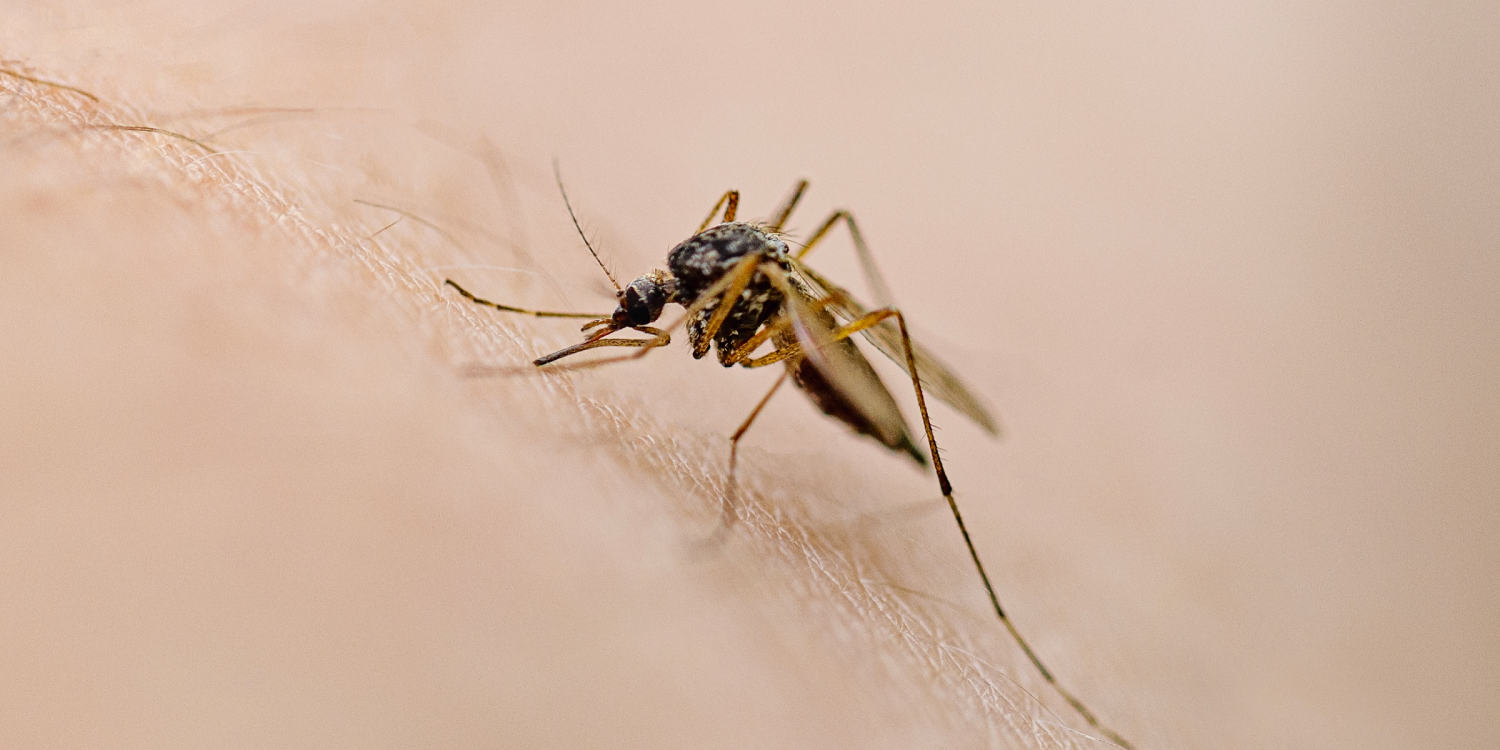
To understand why late August represents the high-water mark for infection probability, one must examine the enzootic cycle. West Nile virus circulates primarily between birds, which serve as amplification hosts, and mosquitoes, primarily species within the genus Culex. Female Culex mosquitoes require blood meals to develop their egg clutches. When a mosquito feeds on an infected passerine bird during the early summer, the virus enters the midgut, crosses the hemolymph barrier, and disseminates to the salivary glands.
This process, known as the extrinsic incubation period, is thermally dependent. Higher ambient temperatures shorten the incubation window. In June, a viral particle ingested by a mosquito might take fourteen days to reach the salivary glands, meaning many vectors die of natural causes before becoming infectious. By late August, elevated summer temperatures compress the extrinsic incubation window down to roughly five to seven days. A larger proportion of the surviving mosquito population is fully infectious, and because multiple generations of mosquitoes have hatched since spring, absolute vector density reaches its annual peak.
Compounding this dynamic is human and vector behavioral overlap. Late summer brings extended outdoor activity during dusk and dawn, precisely when Culex mosquitoes actively seek hosts. The probability of transmission is therefore a product of three compounding variables: vector density, viral infection rate within that vector pool, and human contact frequency.
[Thermal Accumulation] ---> [Compressed Incubation Period]
                                       |
[Avian Amplification] ---> [Higher Vector Infection Rate] ---> [Peak Transmission Risk]
                                       |
[Summer Behaviors]   ---> [Maximized Contact Frequency]
The Efficacy Matrix of Personal Protection
Individuals attempting to minimize exposure face a fragmented marketplace of repellents, physical barriers, and environmental modifications. Most consumer choices are driven by marketing claims rather than empirical efficacy data. Evaluating these defenses requires categorizing them by their mechanism of action and operational limitations.
Chemical Repellents
Chemical interventions disrupt the sensory receptors of mosquitoes, preventing them from locating hosts via carbon dioxide gradients, lactic acid, and thermal signatures.
- N,N-Diethyl-meta-toluamide (DEET): The gold standard of personal protection. Formulations containing twenty to thirty percent DEET provide reliable protection for several hours by creating a vapor barrier that masks human scent cues. The primary limitation is material degradation; DEET dissolves synthetic fabrics, plastics, and watch crystals.
- Picaridin (Icaridin): A synthetic compound structurally similar to piperine. It offers comparable longevity and efficacy to DEET without the polymer-destroying side effects. It provides a viable alternative for users requiring frequent application across sensitive gear.
- Oil of Lemon Eucalyptus (OLE): A plant-derived active ingredient containing p-menthane-3,8-diol. While natural extracts appeal to consumer preferences, OLE requires more frequent reapplication and carries higher skin-irritation profiles for sensitive populations compared to synthetic counterparts.
- Permethrin: Unlike skin-applied repellents, permethrin is a neurotoxin applied strictly to textiles and clothing. It acts on contact, paralyzing and killing vectors before they can probe for a blood meal. Its utility lies in additive protection; treated clothing creates a mechanical boundary that skin repellents alone cannot achieve.
Environmental Modifiers
Personal protection is incomplete without altering the immediate micro-habitat. Mosquitoes do not travel vast distances during their lifespans; most Culex species stay within a half-mile radius of their larval breeding source.
Standing water is the critical catalyst for population growth. Any container capable of holding fluid for more than four days—gutters, discarded tires, unmaintained pool covers, and ornamental planters—becomes an incubator. The intervention here is binary: elimination or larviciding.
For water features that cannot be emptied, biological controls such as Bacillus thuringiensis israelensis (Bti) disrupt larval digestion without introducing systemic chemical toxins into local soil and water tables. Bti is an engineered bacterial larvicide ingested by filter-feeding mosquito larvae, making it a high-efficiency tool with low ecological collateral damage.
Symptomology and Diagnostic Realities
A persistent misconception in public health communication is that West Nile virus presents as a uniform clinical syndrome. In reality, the clinical manifestation follows a strict distribution curve:
- Asymptomatic Infections: Approximately seventy to eighty percent of individuals who contract the virus experience zero symptoms. The infection clears through cellular and humoral immune responses without the host ever realizing exposure occurred.
- West Nile Fever: Roughly twenty percent of infected individuals develop acute systemic symptoms, including sudden-onset fever, debilitating fatigue, severe headaches, myalgia, arthralgia, gastrointestinal distress, and occasionally a transient maculopapular rash. This phase can disable an individual for weeks, creating hidden economic drag via lost productivity.
- Neuroinvasive Disease: In fewer than one percent of cases, the virus crosses the blood-brain barrier, resulting in encephalitis, meningitis, or acute flaccid paralysis. This severe manifestation disproportionately impacts older adults and immunocompromised individuals, carrying long-term neurological deficits or mortality risks.
Diagnostic validation presents a bottleneck. Routine blood tests do not screen for West Nile antibodies unless specifically ordered. Because early symptoms mirror numerous viral pathogens, clinical diagnosis relies on detailed travel history, occupational or recreational exposure vectors, and cerebrospinal fluid analysis if neuroinvasive complications arise. There is no specific antiviral therapeutic protocol for mild or moderate cases; clinical management remains purely supportive, focusing on hydration, pain management, and reduction of intracranial pressure in severe presentations.
Systemic Limitations of Municipal Vector Control
Relying solely on individual-level defenses is mathematically insufficient because private actors cannot control municipal infrastructure. Storm drains, catch basins, and unmaintained public lands serve as massive, unregulated breeding grounds for Culex mosquitoes.
Municipalities deploy two primary counter-strategies: larviciding and adulticiding. Larviciding via Bti or growth regulators targets the immobile aquatic phase of the life cycle and represents the most cost-effective, targeted intervention available to public health departments.
Adulticiding, often executed via truck-mounted or aerial ultra-low-volume fogging, is visually dramatic but fundamentally reactive. It targets flying adult mosquitoes in a specific geographic footprint at a specific moment in time. The strategic limitation of fogging is its transient window of effectiveness. Because fogging only kills mosquitoes present in the open air during the exact deployment hour, it does nothing to address the reservoir of larvae maturing in nearby storm drains or the protected resting sites under dense foliage. Furthermore, indiscriminate adulticiding risks driving pesticide resistance within local insect populations and impacting beneficial non-target organisms like pollinators.
Capital Allocation for Long-Term Risk Mitigation
Managing seasonal pathogen surges requires a shift in resource allocation from emergency response to structural prevention. For institutional facilities, municipalities, and commercial property managers, an optimal risk mitigation architecture relies on three pillars.
First, invest aggressively in infrastructure maintenance. Clear chronic drainage bottlenecks, retrofit storm water management systems to prevent standing water accumulation beyond seventy-two hours, and deploy biological larvicides systematically across all public water retainers before the peak transmission window opens in July.
Second, optimize chemical procurement based on target specificity and worker safety. Standardize personal protective equipment policies for field crews working during peak biting hours by mandating permethrin-treated garments alongside high-concentration DEET or picaridin formulations.
Third, recalibrate public communication metrics. Moving away from generic awareness campaigns toward targeted, localized risk alerts based on trapping data and vector infection rates allows populations to scale their protective behaviors dynamically in response to real-time epidemiological shifts rather than arbitrary calendar dates.