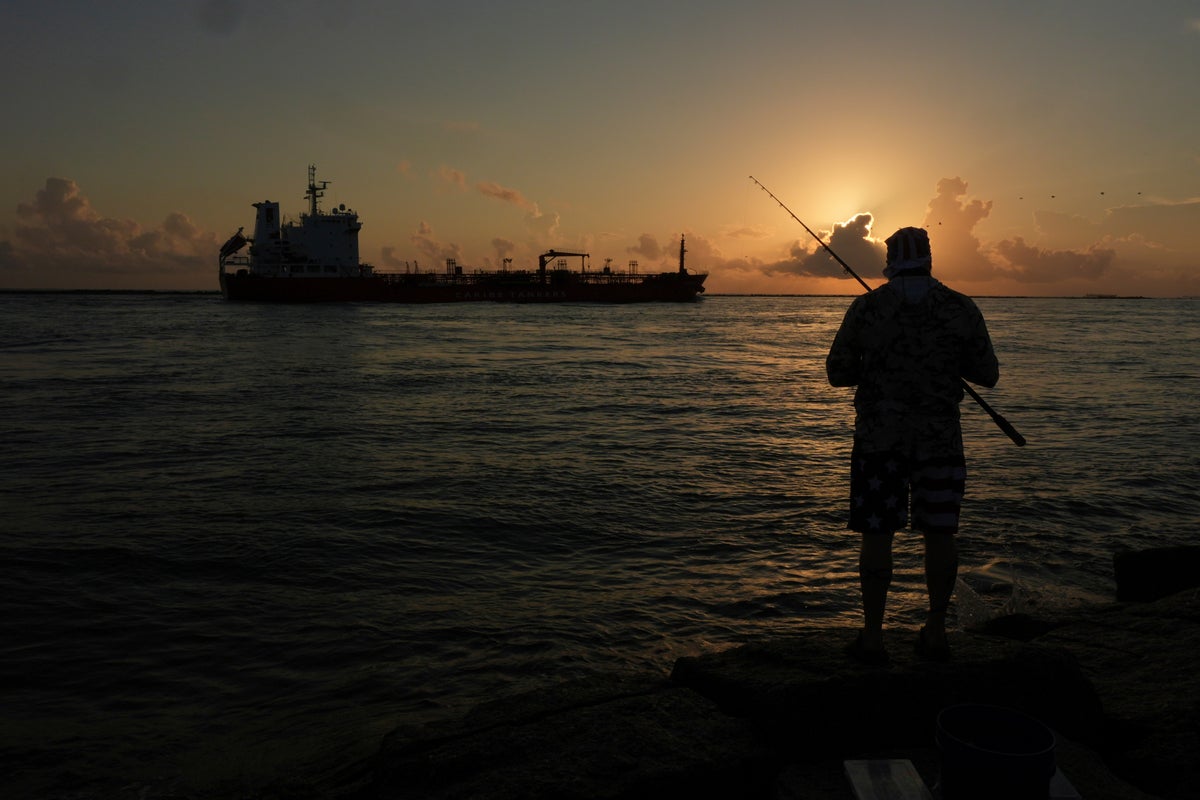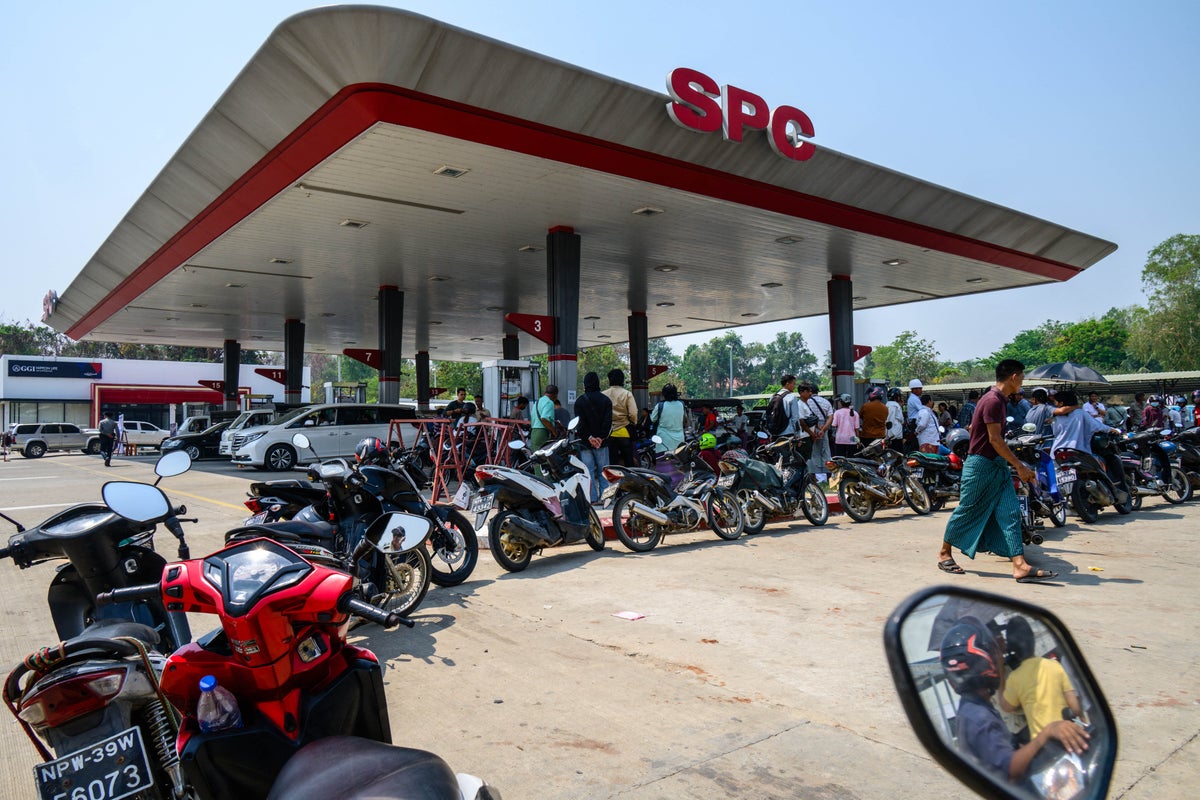
Gas prices are hitting levels that make your eyes water. If you’ve filled up your tank lately, you already know the sting. The ongoing conflict involving Iran has sent shockwaves through the global energy market, pushing Brent crude into territory we haven't seen in years. It isn’t just about a number on a digital sign at the station. It’s about the cost of the bread on your table and the electricity powering your home.
Governments aren't just sitting on their hands this time. They can't afford to. From the streets of Tallinn to the office towers of Auckland, countries are throwing out the old playbook. We are seeing a massive, frantic shift in how society functions just to keep the lights on and the engines turning. Some of these moves are brilliant. Others feel like desperate duct tape on a leaking pipe.
The Radical Shift to Free Public Transit
Public transport used to be a service you paid for. Now, for many, it’s a survival tool provided by the state. Spain led the charge by making various short and medium-distance trains completely free. It wasn’t just a nice gesture. It was a calculated strike against oil dependency. By removing the cost barrier, they forced a massive chunk of the population off the highways and onto the rails.
Germany tried a different version with its "Deutschlandticket," a low-cost monthly pass that covers all local transit. It’s about more than saving a few Euros. It’s about changing the fundamental habit of reaching for the car keys. When the price of gas fluctuates because of a drone strike thousands of miles away, having a train pass in your pocket feels like a shield.
Critics argue these subsidies are a black hole for taxpayer money. They’re not entirely wrong. Maintaining a rail network is expensive, and making it free means the government picks up the entire tab. But compare that to the cost of a total economic standstill caused by $150-a-barrel oil. The math starts to look a lot different.
Redefining the Work Week to Save Fuel
The four-day work week was once the dream of Silicon Valley hipsters and Swedish social experiments. Now, it’s an energy policy. If people don't commute on Fridays, they don't burn gas on Fridays. It’s that simple.
Several provincial governments in Canada and parts of the United Kingdom are incentivizing companies to compress the work week. This isn't just about "work-life balance" anymore. It’s about load shedding. By keeping office buildings dark for an extra 24 hours and keeping cars off the road, the aggregate energy savings are massive.
You might think your individual commute doesn't matter. You’re wrong. When millions of people stop their morning crawl at the same time, the demand for refined gasoline drops sharply. This puts downward pressure on prices, even when the supply side is squeezed by Middle Eastern tensions. It’s a collective boycott of the gas pump, mandated by the calendar.
Speed Limits and the Return of the 1970s
We’ve been here before. During the 1973 oil crisis, the U.S. dropped the national speed limit to 55 mph. People hated it then, and they hate it now. But physics doesn't care about your feelings. Your car is significantly less efficient at 80 mph than it is at 60 mph.
Italy and France are currently discussing "eco-speed" mandates on primary motorways. Reducing the limit by even 10 or 15 kilometers per hour can slash fuel consumption by nearly 10% for the average internal combustion engine. It’s a bitter pill for drivers used to the fast lane, but it’s a move that requires zero infrastructure investment. You just change the signs.
The War on Thermostats and Neon Lights
Energy conservation has moved inside. In Germany, public buildings are restricted from being heated above 19°C (66°F). In France, "urban light pollution" ordinances mean shops have to turn off their signs and window displays in the middle of the night.
These seem like small, almost petty steps. They aren't. They’re psychological. They signal to the entire population that we are in a state of energy emergency. When you see a darkened storefront or feel a chill in a government office, you’re reminded to turn down your own heater at home.
The International Energy Agency (IEA) has been screaming about this for months. Their 10-Point Plan to cut oil use includes practical, immediate steps like car-pooling and restricted car access to city centers on Sundays. It’s a "war footing" mentality that many Westerners haven't experienced in their lifetimes.
Strategic Reserves are a Short Term Fix
The United States and its allies have been tapping into Strategic Petroleum Reserves (SPR) to blunt the price spikes. It works, for a minute. Dumping millions of barrels into the market provides a temporary cushion, but it’s a finite resource.
The problem with relying on reserves is that you eventually have to refill them. If you empty the tank while oil is $110 and try to refill it when it’s still $100, you haven't solved the underlying deficit. You’ve just kicked the can down a very expensive road. Relying on the SPR is a gamble that the Iran conflict will be short-lived. If the tension turns into a multi-year grind, those empty salt caverns in Louisiana won't help anyone.
Why This Time is Different
In previous oil shocks, the world just complained and paid more. This time, there’s an alternative. The rise of electric vehicles (EVs) and heat pumps means that for the first time in history, we have an exit ramp.
Norway is the blueprint here. Because such a high percentage of their fleet is electric, they are far more insulated from oil price volatility than their neighbors. They’re still feeling the pinch in other areas, but the "pain at the pump" is a concept fading into their history books.
Other nations are trying to fast-track this transition. There are now massive rebates for heat pumps in the UK and accelerated tax credits for EVs in the U.S. Under normal circumstances, these transitions would take decades. The threat of a prolonged war and permanent $7-a-gallon gas is compressing that timeline into years.
What You Should Do Right Now
Waiting for the government to solve your gas bill is a losing game. You have to take agency over your own energy consumption before the prices climb even higher.
Check your tires. It sounds like something your dad would nag you about, but under-inflated tires increase rolling resistance and kill your MPG. It’s a five-minute fix that saves you real money. If your job allows it, push for more remote days. Every day you aren't sitting in traffic is a day you aren't subsidizing global oil volatility.
If you're in a position to upgrade your home, look at insulation before you look at solar panels. Keeping the heat in is always cheaper than generating more of it. We are entering a period where energy efficiency isn't an environmental hobby—it's a financial necessity. Don't wait for a total supply shutdown to start changing how you move and live.