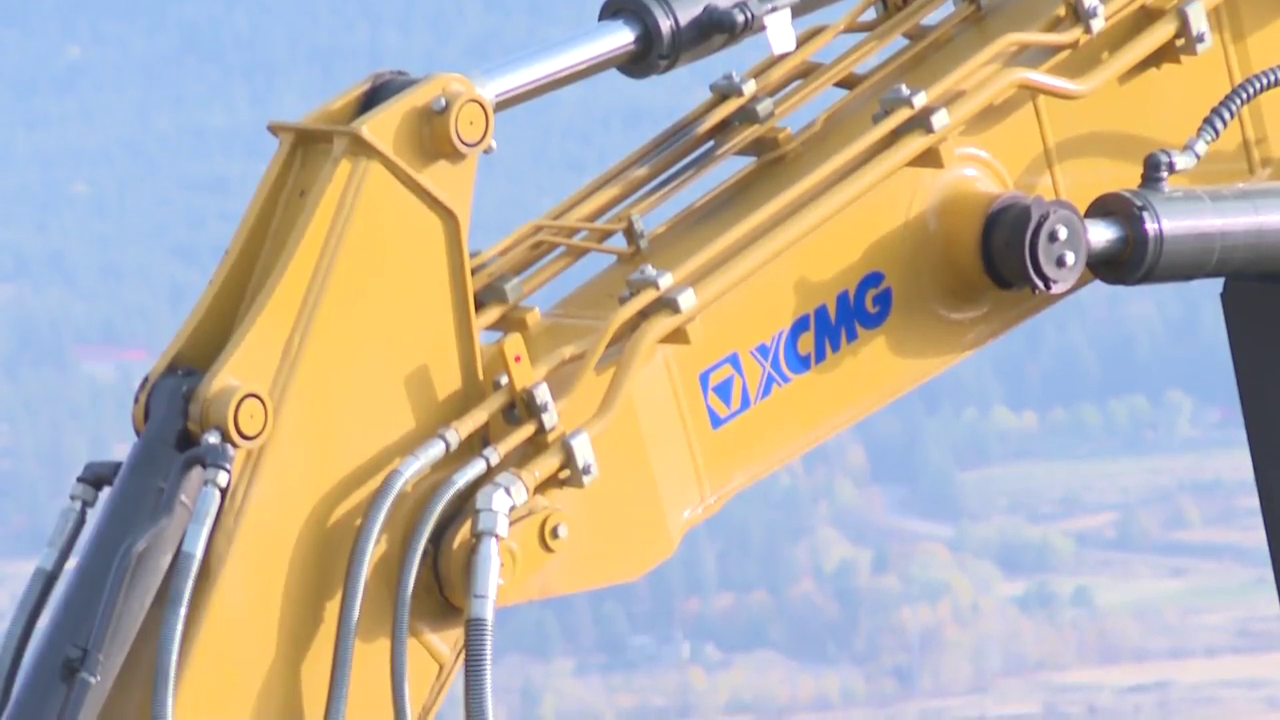
Serial plates swapped to make older heavy machinery look newer, unpaid warranty claims piling up, and a $32.5 million asset freeze in British Columbia. That is the mess facing Canadian dealerships tangled up with Chinese state-owned XCMG.
When buyers and dealers search about XCMG equipment lawsuits, they usually want two simple answers: is this real, and could it burn their business too? Yes, it is real. Civil actions across provinces—including British Columbia, Ontario, Quebec, and Saskatchewan—alongside police investigations and criminal fraud charges involving an official in Ontario have put heavy spotlight on the manufacturer. XCMG Canada has declined interview requests in recent reporting, though it has stated in prior responses that it is fully defending itself against the civil claims. For another perspective, see: this related article.
Honestly, this isn't just a routine supplier spat. When a dealership relies on floorplan financing, warranty reimbursements, and factory build dates to stay solvent, a breakdown on any of those fronts can wreck a family business fast.
What Canadian Dealers Are Actually Alleging
Court filings and media reports point to a few recurring flashpoints rather than one isolated complaint. Dealers claim machines were represented with altered or mismatched build years—such as equipment built in 2020 being sold as newer 2022 units—which distorts resale value, depreciation schedules, and buyer trust. Related reporting on the subject has been published by The Washington Post.
Then there's the money side. Court affidavits filed in insolvency proceedings in British Columbia describe dealers footing heavy repair and compliance bills while waiting on warranty reimbursements and offset reconciliations. In one sworn affidavit from Arctic Machinery leadership, the dealership reported spending roughly $1.8 million CAD on capital costs needed to get equipment safe, operational, and aligned with Canadian Standards Association rules and North American requirements.
I've watched plenty of equipment dealers survive tough seasonal cycles, tight credit, or a slow forestry or construction quarter. What kills cash flow faster than a slow market is paying out of pocket for field fixes and compliance work while expected credits get stuck in limbo.
How Asset Freezes and Criminal Probes Change the Stakes
Civil disputes move slowly, yet two developments ratcheted up the pressure in 2026:
- Asset freezes: In March 2026, the Supreme Court of British Columbia granted a Mareva injunction—roughly $32.46 million CAD—aimed at restricting asset movement tied to XCMG Canada in the province and elsewhere in Canada while litigation plays out.
- Police and criminal action: Law enforcement scrutiny expanded from RCMP search warrant activity earlier in 2026 to criminal fraud charges announced in November 2026 involving an XCMG official in Ontario, reported in coverage as a $21 million case.
A Mareva order doesn't decide who wins on the merits at trial. It simply tries to keep money or property from disappearing before a court can rule. Still, for dealers sitting on inventory or disputed financing balances, seeing asset-preservation orders and criminal headlines at the same time creates serious uncertainty.
The Hidden Traps Behind Serial Numbers and Compliance
Most casual buyers assume a new machine on a dealer's lot is factory-fresh, inspected, and ready to work on day one. In cross-border heavy equipment trade, that assumption can get expensive.
Build year and model year aren't always identical across global supply chains, and dealers often depend on manufacturer documentation to verify exact production dates. Allegations of serial number tampering hit right at the heart of that trust. If a machine's true age or specification differs from what's on paper, financing values, warranty coverage, and eventual trade-in numbers all come into question.
Safety and regulatory compliance is the second trap. Equipment operating in Canada needs to meet applicable safety standards and provincial rules—not just look good on a spec sheet. When a dealer has to spend serious cash modifying, repairing, or certifying units before a customer can safely run them, gross margin disappears in a hurry.
There's also a legitimate counter-perspective worth keeping straight. Allegations in civil pleadings and criminal charges are accusations that must be tested in court, and manufacturers sometimes argue that disputes stem from commercial disagreements, contract terms, or dealer-side operations rather than systemic fraud. Waiting for full evidentiary rulings is smart before treating any single claim as proven fact.
What Buyers and Dealers Should Do Right Now
If you own, finance, or sell heavy machinery in Canada, don't panic—and don't wing your paperwork either. A few practical steps can protect you right away:
- Cross-check physical plates against original paperwork. Inspect stamping and identification plates on machines you already bought or plan to buy, and match them against bill-of-sale dates, invoices, and manufacturer records.
- Audit warranty and compliance exposure. List every open warranty claim, unpaid credit, and safety or CSA compliance expense tied to specific unit serial numbers so you aren't relying on informal promises.
- Talk to qualified counsel before deadlines slip. Civil limitation periods—such as the standard two-year discovery window in provinces like Ontario—can affect how long you have to act once a problem comes to light, so get legal advice tailored to your province and contract.
- Tighten lender and title checks. If you're financing or taking a machine in trade, confirm lien registrations, security agreements, and clear title before money changes hands.
For background on the public court filings tied to the B.C. proceedings, you can review the Arctic Machinery court filings hosted by Crowe or read ongoing coverage from Global News.
Chinese state-owned XCMG official facing criminal fraud charges
This video report summarizes the criminal fraud charges and dealer allegations in Ontario, giving quick context on how the legal dispute expanded beyond civil claims.