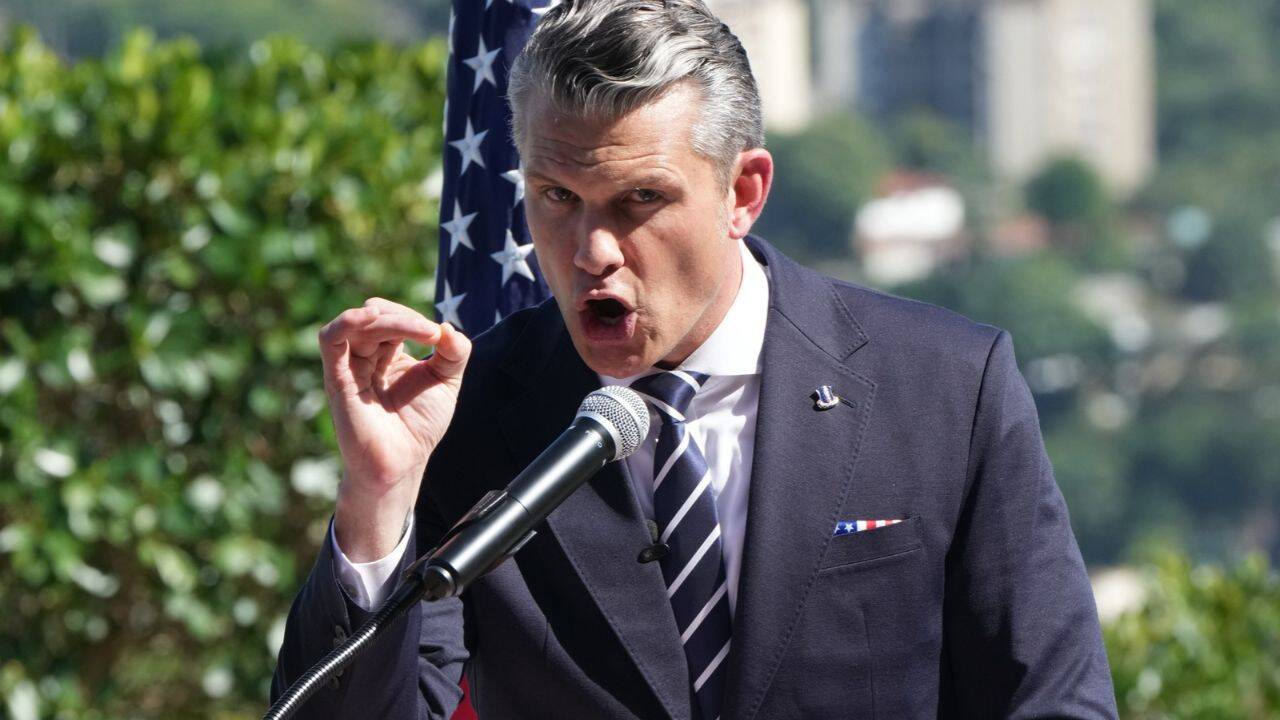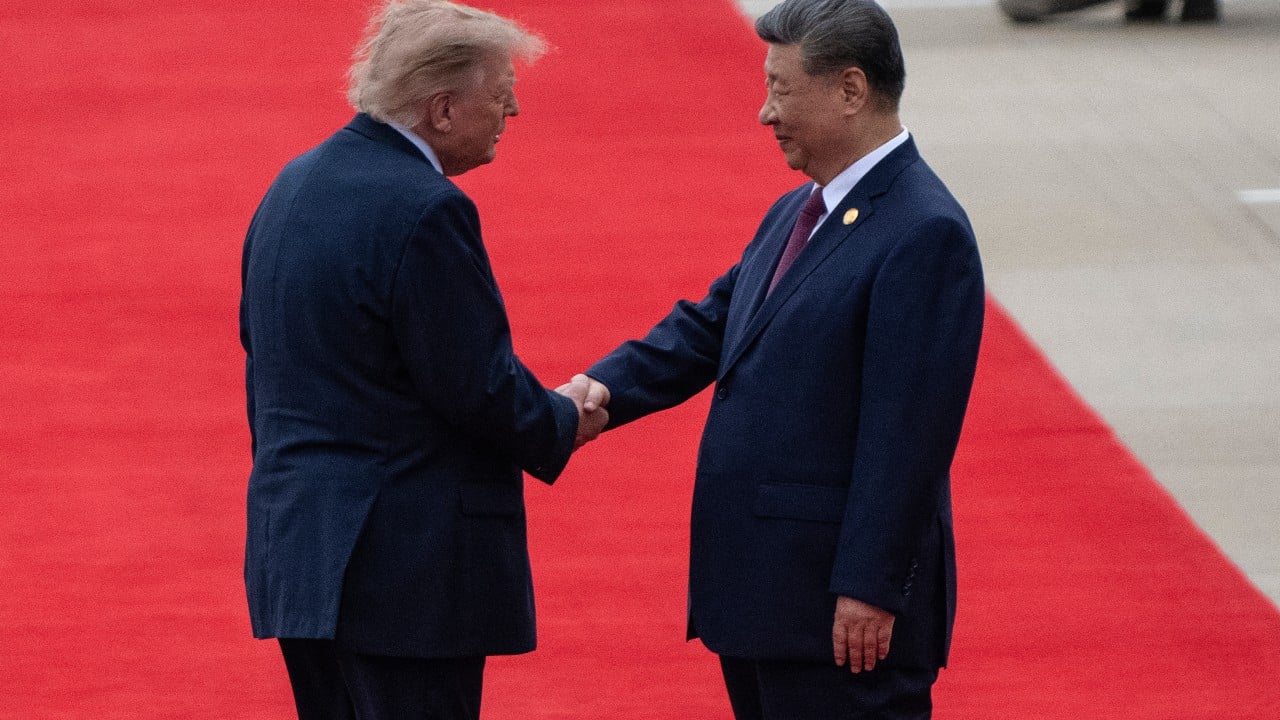
Personal chemistry doesn't stop a freight train. For years, Donald Trump insisted his direct rapport with Chinese President Xi Jinping could smooth over trade wars, tech bans, and military flare-ups. That calculation is running straight into a brick wall in Washington.
Right now, Xi-Trump ties are facing their heaviest stress test yet. Lawmakers from both parties, along with hawkish voices inside the administration itself, are demanding aggressive new restrictions on Beijing. They aren't asking politely. They're pushing bills, blocking loopholes, and forcing the White House into corners where handshake diplomacy simply won't work.
If you've been watching the headlines, you might think this is just another round of tariff threats. It's not. The political consensus in D.C. has shifted permanently, and even a president who loves dealmaking can't easily unwind the machinery Congress has built to contain China.
The Myth of the Personal Deal
Trump has always preferred leader-to-leader negotiations over slow, bureaucratic diplomacy. During his first term, he frequently praised Xi's strength and intelligence, even while slapping tariffs on hundreds of billions of dollars in Chinese goods. The underlying theory was simple: get two strongmen in a room, cut a massive bilateral deal, and bypass the policy establishment.
That playbook worked for the Phase One trade agreement in January 2020. On paper, Beijing promised to buy an extra $200 billion in American farm goods, energy, and manufactured products.
Then reality hit.
According to data tracked by the Peterson Institute for International Economics, China bought less than 60 percent of the goods it promised under that deal. Supply chains shifted, the pandemic scrambled global trade, and Beijing realized it didn't actually have to fulfill the terms to avoid immediate retaliation.
I've watched foreign policy teams in Washington dissect that failure for years. The takeaway among Capitol Hill staffers and national security officials is unanimous: personal assurances from Xi don't translate into structural reform. When you rely on top-down promises instead of enforceable rules, Beijing pockets the goodwill and keeps subsidizing its own industries.
Why Washington Hawks Have the Upper Hand
A decade ago, corporate lobbyists in D.C. could easily kill anti-China legislation. Wall Street wanted access to Chinese capital markets, and tech executives wanted cheap manufacturing in Shenzhen. Those days are dead.
Today, opposing Beijing is the only reliable bipartisan issue left in American politics. When Congress passed legislation forcing ByteDance to divest TikTok or face a U.S. ban, it sailed through with overwhelming support from both Republicans and Democrats. Nobody wanted to look soft on Chinese data harvesting.
The pressure goes way beyond social media apps. Hawkish lawmakers are targeting several critical fronts at once:
- Semiconductor export controls: Legislators are demanding tighter enforcement on chipmaking equipment sold to Chinese firms, arguing that existing Commerce Department rules leave too many backdoors open for Huawei and SMIC.
- Outbound investment screening: There's growing momentum to block American venture capital and private equity firms from funding Chinese artificial intelligence, quantum computing, and biotech startups.
- Trade status revocation: Prominent lawmakers have repeatedly introduced bills to strip China of its Permanent Normal Trade Relations status, a move that would automatically trigger massive tariff hikes across the board.
- Supply chain decoupling: Defense authorization bills now routinely ban the Pentagon from buying batteries, drones, or raw minerals tied to Chinese state-backed companies.
Notice what's happening here. Congress isn't waiting for the White House to lead. They're writing hard statutory limits that tie the president's hands, making it politically toxic for Trump to offer Xi any major concessions without getting massive, verifiable wins in return.
Where Trump's Instincts Clash With His Own Party
Here is the real tension nobody in Washington wants to say out loud: Trump's transactional worldview doesn't naturally align with the ideological cold warriors surrounding him.
Ideological hawks view the U.S.-China rivalry as an existential struggle between democracy and authoritarianism. They want permanent decoupling. They want to starve Beijing's military-industrial complex of Western tech, capital, and market access, regardless of how much short-term pain it inflicts on American consumers or exporters.
Trump views things through a balance-sheet lens. He hates trade deficits. He loves tariffs as a weapon to force factories back to Ohio and Michigan. Yet he's also shown willingness to soften penalties when a foreign leader offers a flashy investment package or helps him solve an immediate political headache.
Remember ZTE? Back in 2018, the Commerce Department nearly put the Chinese telecom giant out of business for violating sanctions on Iran and North Korea. After Xi personally appealed to Trump, the White House intervened to save the company, sparking an immediate bipartisan revolt in the Senate.
Try pulling that move in 2026. The political blowback would be instantaneous. Influential committees, like the House Select Committee on the Chinese Communist Party, exist specifically to spotlight corporate and executive concessions to Beijing. Any sign that the White House is going easy on Chinese tech firms or relaxing export bans gets leaked to the press within hours.
Beijing's Shrinking Room to Maneuver
It's easy to focus solely on Washington, but Xi Jinping has his own domestic constraints that make a grand bargain nearly impossible.
China's economy isn't the unstoppable juggernaut it looked like in 2015. The property sector has been mired in a prolonged debt crisis, youth unemployment remains a sensitive political nerve, and local governments are drowning in hidden liabilities. To keep growth afloat, Xi has doubled down on manufacturing exports—specifically electric vehicles, solar panels, and lithium batteries.
That strategy puts Beijing on a direct collision course with Washington.
When China floods global markets with cheap EVs and green tech, American and European leaders see an existential threat to their own industrial bases. Trump has already threatened triple-digit tariffs on Chinese cars, even those assembled in Mexico to bypass existing duties.
Xi can't back down on industrial subsidies without risking domestic stagnation and losing face in front of the Communist Party elite. Meanwhile, Trump can't back down on tariffs without alienating the working-class voters who put him back in office. Both leaders are boxed in by their own domestic politics.
Taiwan and the South China Sea Remain Live Wires
Trade disputes can usually be negotiated down to percentages and phase-in schedules. Territorial sovereignty can't.
While economists argue over tariff rates, military planners in the Pentagon are focused on the Taiwan Strait and the South China Sea. Chinese coast guard vessels have repeatedly clashed with Philippine supply ships near disputed shoals, testing the boundaries of the U.S.-Philippines Mutual Defense Treaty. Around Taiwan, People's Liberation Army air and naval drills have become routine pressure tactics designed to exhaust Taipei's defenses.
For Washington's China hawks, these gray-zone provocations prove that Beijing views American restraint as weakness. They point to bipartisan support for accelerating weapons deliveries to Taiwan—clearing billions of dollars in backlogged orders—as the only language Xi respects.
Trump has historically expressed skepticism about defending allies who don't spend enough on their own militaries, occasionally suggesting Taiwan should pay more for American protection. Those off-the-cuff remarks rattle diplomats in Taipei and Tokyo. Still, the institutional machinery of the Pentagon and the State Department continues to deepen military integration across the Indo-Pacific, from the AUKUS submarine pact with Australia and the UK to expanded base access in the Philippines.
Even if Trump wanted to dial back security commitments to strike a trade deal with Xi, the U.S. defense establishment and congressional appropriators are locked into a long-term deterrence posture.
What Businesses and Investors Actually Need to Watch
If you're running a supply chain, managing a portfolio, or just trying to figure out where global trade is headed, stop watching the press conferences. Friendly rhetoric between Trump and Xi doesn't change the underlying legal reality.
Pay attention to three concrete indicators instead:
- Federal Register notices from the Bureau of Industry and Security (BIS): Watch for additions to the Entity List. When Chinese companies get added there, American suppliers are legally barred from shipping them controlled tech without a license that's almost never granted. That's where the real decoupling happens.
- Customs and Border Protection enforcement actions: Keep an eye on shipments detained under the Uyghur Forced Labor Prevention Act. Enforcement has steadily expanded beyond cotton and polysilicon to cover aluminum, auto parts, and seafood.
- Bipartisan committee markups in Congress: When a bill passes out of the Senate Foreign Relations or House Financial Services Committee with unanimous support, treat it as future law, regardless of what the White House says about diplomatic engagement.
The era where a warm phone call between the Oval Office and Zhongnanhai could reset the bilateral relationship is over. Washington's institutional resistance to Beijing has hardened into law, regulation, and political reflex. Xi and Trump can keep talking, and they might even sign a few narrow agreements to calm nervous markets, but the broader trajectory of U.S.-China rivalry isn't reversing anytime soon.