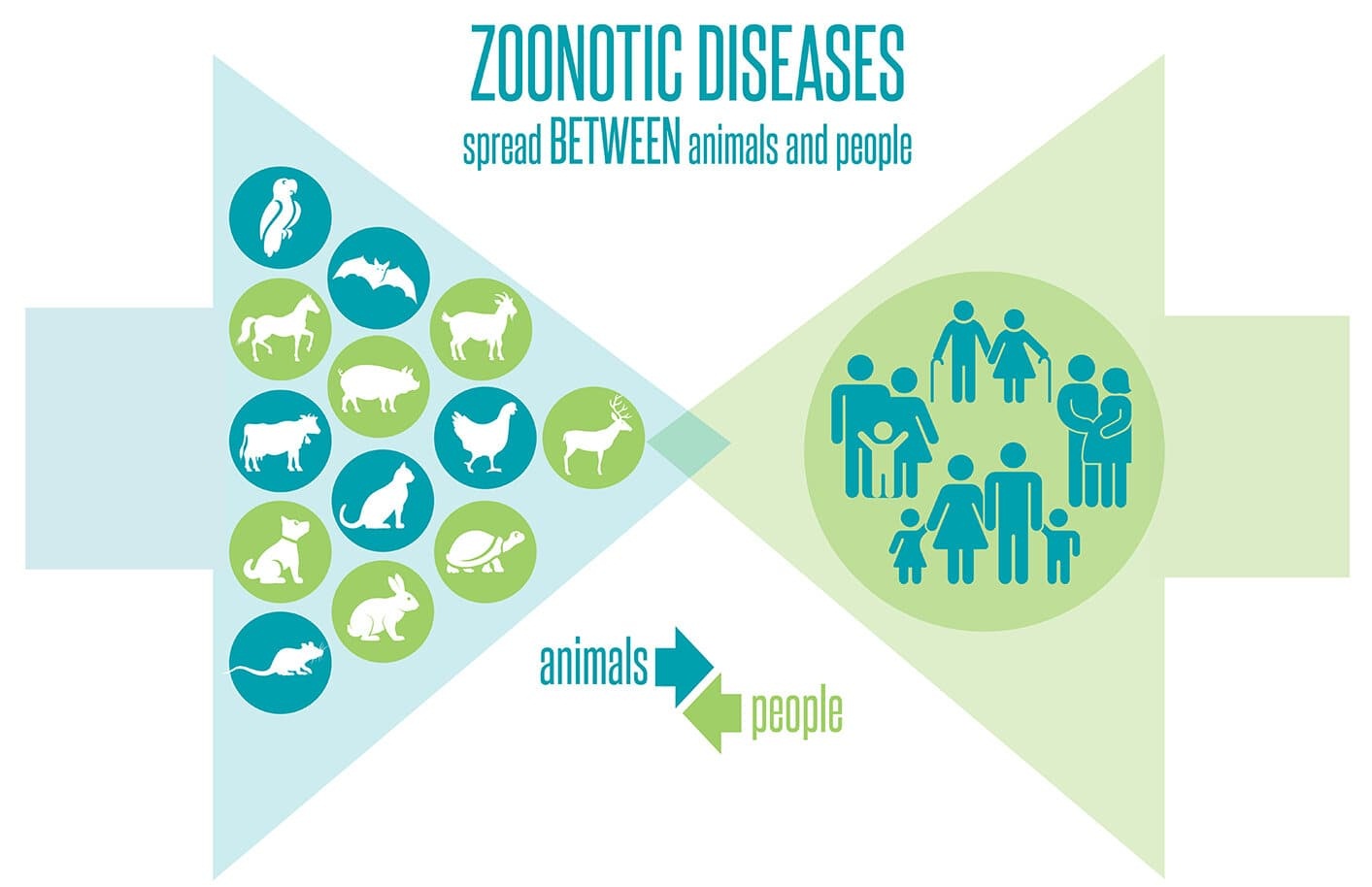
Animals carry germs. They make us sick. You already know mosquitoes spread malaria and ticks bring Lyme disease. But the real world of zoonotic transmission is messy, weird, and full of surprises that catch even seasoned scientists off guard.
If you think you can easily match every animal with the exact pathogen it carries, let's test that confidence right now. Nature doesn't follow neat little textbook rules. A single rodent can harbor multiple deadly agents, and a seemingly harmless backyard visitor might be a reservoir for a neurotoxin or a hemorrhagic fever.
Let's break down the actual biology behind animal-borne illnesses, dismantle the common myths, and look at the real vectors threatening public health.
The Rodent Problem Everyone Ignores
Most people worry about exotic wildlife when thinking about dangerous pathogens. That is a massive mistake. Your biggest biological threat is probably living in your garage right now.
Rodents are the undisputed champions of spreading misery. Take the deer mouse. It looks harmless enough. It nibbles on birdseed and stays out of sight. Yet, it serves as the primary reservoir for Sin Nombre virus, the agent behind hantavirus pulmonary syndrome. You don't even need to be bitten. Sweeping out a shed, disturbing dried droppings, and breathing in airborne particles is enough to trigger a severe respiratory infection.
Hantavirus isn't an isolated case. Norway rats and roof rats carry leptospirosis through their urine, contaminating standing water and soil. When you garden barefoot in damp soil touched by an infected rat, leptospires can enter through tiny micro-abrasions in your skin. The infection starts like a mild flu, then rapidly escalates into kidney damage, liver failure, or meningitis.
The Mosquito Myth Versus Reality
Everyone blames mosquitoes for ruining summer barbecues and spreading West Nile virus. That part is true. But public panic often focuses on the wrong species while ignoring local vectors hiding in plain sight.
The Asian tiger mosquito loves urban environments. It breeds in tiny pools of standing water trapped inside discarded bottle caps, clogged gutters, and children's toys. Unlike rural mosquitoes that bite at dusk, this aggressive pest feeds during broad daylight. It vectors dengue, chikungunya, and Zika.
Birds act as primary amplifying hosts for many mosquito-borne viruses. Crows, jays, and robins circulate high levels of pathogens in their blood without dying immediately. When a local mosquito feeds on an infected bird, it picks up the load and passes it to the next warm-blooded mammal it bites. You cannot view the mosquito in isolation. You have to look at the entire local avian ecosystem.
Bats Get a Bad Rap But Deserve the Scrutiny
Bats carry rabies, histoplasmosis, and Nipah virus. People either panic and kill them on sight or romanticize them as harmless night-fliers. Both reactions are unhelpful.
Rabies is a terrifying benchmark. Once symptoms appear, the fatality rate sits near one hundred percent. While raccoons, skunks, and foxes get rabies, insectivorous bats are notorious for small, unnoticeable bite marks. Their teeth are tiny. You might wake up with a bat in your bedroom and assume it didn't touch you. Public health officials will universally tell you to get the post-exposure prophylaxis anyway because missing that micro-bite is a fatal gamble.
Histoplasmosis fungi thrive in soil enriched by bat and bird droppings. Contractors and homeowners tearing down old barns frequently inhale these spores. The lungs react by forming calcified nodules that mimic tuberculosis on X-rays. You aren't getting bitten by anything here; you are simply breathing the dust.
Ticks Are Expanding Their Territory
Lyme disease dominates the conversation about ticks, but the blacklegged tick is just one player in a growing crisis. Lone star ticks introduce an unexpected twist to human health by triggering alpha-gal syndrome, a mammalian meat allergy that turns a juicy burger into a severe anaphylactic reaction.
Ticks require humidity to survive. As climate patterns shift and winters grow milder, tick populations survive the cold months in higher numbers and push into northern latitudes. They climb blades of grass, wave their front legs in a behavior called questing, and latch onto passing hikers, dogs, and deer.
Checking yourself after a walk in the woods isn't optional. It is a mandatory defensive habit. If you miss a tiny nymph tick no larger than a poppy seed, it can feed undetected for days while transmitting pathogens straight into your bloodstream.
Practical Steps to Protect Yourself
Knowing which animal carries what disease means nothing if you don't change how you interact with the environment around you. Real protection requires mechanical barriers and basic hygiene.
Seal your home. Block every gap larger than a quarter-inch to keep mice and rats outside where they belong. Never sweep up rodent nesting areas dry. Spray the area with a ten percent bleach solution, let it sit for ten minutes, and wipe it up gently with a damp towel to keep virus particles out of the air.
Wear protective clothing when heading into tall grass or wooded trails. Treat your gear with permethrin. Apply EPA-registered insect repellents containing DEET or oil of lemon eucalyptus to exposed skin.
Wash your hands thoroughly after handling pets, cleaning cages, or touching backyard livestock. Backyard chickens look adorable and lay great eggs, but they frequently carry Salmonella on their feathers and feet.
Respect the wildlife around you, keep your distance from sick or dead animals, and stop underestimating the ordinary pests living right in your backyard.