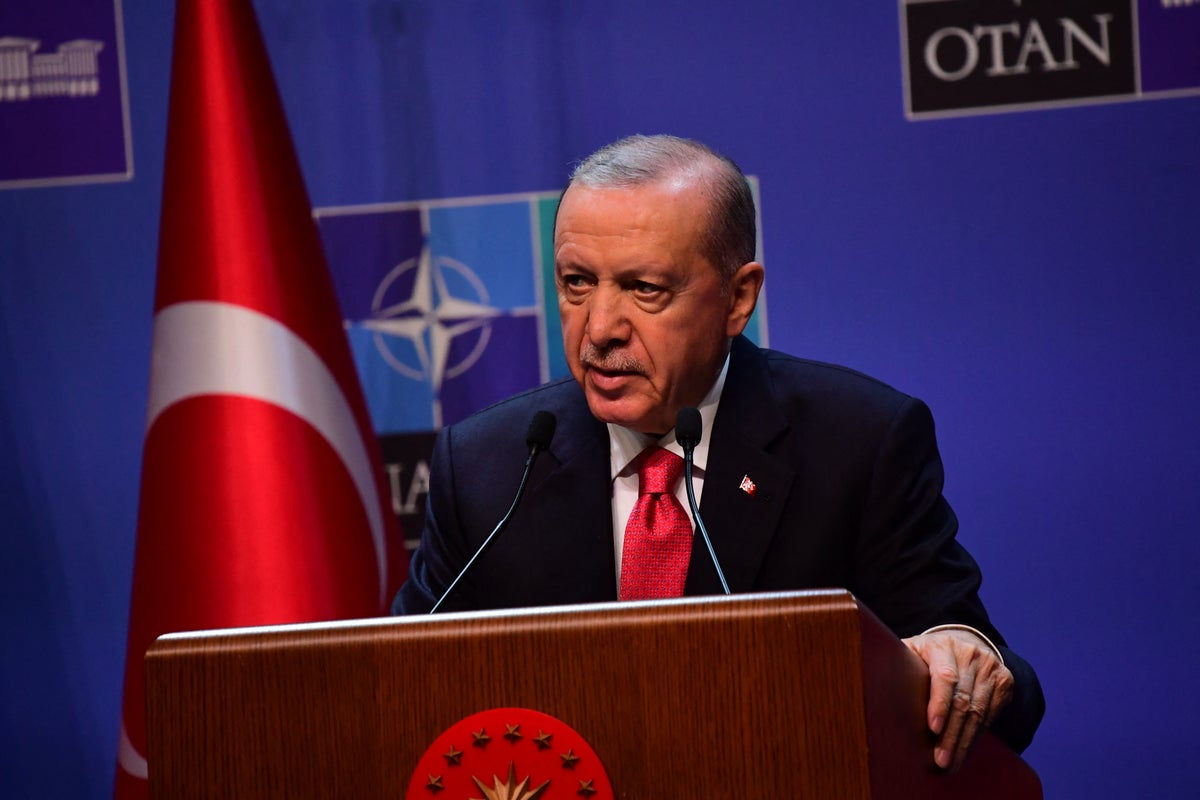
The coffee in Brussels is always lukewarm, served in porcelain cups that click against saucers with a fragile, nervous energy. Inside the sprawling glass fortress of the North Atlantic Treaty Organization, the silence is heavy. For decades, this building operated on a simple, unspoken promise: an attack on one is an attack on all. It was a grand, sweeping ideal born from the rubble of a broken continent.
But ideals do not buy artillery shells. They do not win elections in America.
Mark Rutte knew this long before he walked through the doors as the new Secretary General. The former Dutch Prime Minister, a man famous for riding his bicycle to work and eating an apple on the way, is not a creature of grand ideological declarations. He is a pragmatist. A survivor. He watched from the flatlands of the Netherlands as the political tectonic plates shifted across the Atlantic, and he realized a hard truth that many of his European peers tried desperately to ignore. The old language of diplomacy was dead. To save the greatest military alliance in human history, he would have to learn to speak the language of the transaction.
Consider the sheer weight of what hangs in the balance. If the American shield cracks, the shadow that falls over Eastern Europe grows longer, darker, and colder. It is easy to discuss defense spending in terms of percentages and gross domestic product. It is entirely different when you look at a map and realize those percentages are the only things keeping a sovereign nation from being swallowed whole.
The Strategy of the Bicycle Diplomat
Europe had spent years panicking. Every time a headline flickered across the screen threatening an American withdrawal from the global stage, leaders in Paris and Berlin would issue solemn statements about strategic autonomy. They talked, they debated, they wrung their hands.
Rutte did something else. He studied the man holding the pen.
When Donald Trump first stormed the international stage, commanding European nations to pay their bills, most Western leaders reacted with visible horror. They tried to explain the historical context. They tried to appeal to the ghost of the Cold War. It failed miserably. Rutte, however, understood a fundamental rule of human psychology: you cannot shame a businessman into giving away his product for free. You have to convince him that the partnership makes him look like a genius.
The transformation was subtle at first. It started with a handwritten note, a casual phrase, a deliberate shift in tone. "Dear Donald" became the opening salvo in a masterclass of political survival. Where others saw a threat to the global order, Rutte saw a customer who wanted a better return on investment.
Imagine sitting at a polished mahogany table, the fate of millions of lives resting on whether a volatile leader decides to sign a treaty or tear it up. The instinct for many is to argue, to stand on principle, to throw up defenses. Rutte chose a different path. He agreed. He smiled. He nodded. He told the world that the American president was absolutely right to demand more from Europe.
By validating the criticism, Rutte did something extraordinary. He disarmed the weapon.
Counting to a Trillion
But flattery only buys you five minutes at a podium. To build a lasting wall against isolationism, you need numbers. Hard, unyielding numbers that can be printed on a chart and shown to an audience that prides itself on making deals.
This is where the concept of the European defense boom comes into play. For years, the magic number was two percent of GDP. It was a target most European nations treated like a New Year's resolution—something to promise in January and forget by March. The American grievance was legitimate. Why should voters in Ohio or Texas bankroll the security of wealthy capitals in Western Europe while those same capitals spent their money on generous social programs?
The shift under Rutte’s quiet curation has been massive. It is no longer about begging Washington for protection. It is about presenting a balance sheet. European defense budgets are climbing at a rate not seen since the height of the missile crises of the 1980s. The collective European investment is creeping toward a figure that sounds less like a budget and more like a cosmic constant.
Money speaks. In Washington, it shouts.
When Rutte talks about the alliance now, he does not lead with democracy. He leads with procurement. He points to the factories in Ohio making missiles, the shipyards in Virginia building vessels, the aerospace plants in Texas assembling fighter jets. He frames European defense spending not as a burden on the American taxpayer, but as a massive influx of cash into the American industrial complex. Every euro Germany or Poland spends on modernizing its military is a dollar that likely ends up in the pocket of an American worker.
It is a cold way to look at peace. It feels cynical. It lacks the poetry of the speechwriters who crafted the North Atlantic Treaty in 1949. But poetry does not stop a tank. A factory line does.
The Human Cost of the Game
Behind the statistics and the clever rhetorical maneuvers lie the people who never see the inside of a briefing room.
Think of a young lieutenant stationed in Lithuania, looking out across a border wrapped in barbed wire. He does not care about the phrasing of a tweet from Palm Beach. He cares whether the radar system behind him has an American software update that works in real-time. He cares whether the supply lines from Rotterdam will hold if the world catches fire.
For this lieutenant, the political theater in Brussels is a matter of life and death. If Rutte miscalculates, if a single phrase rubs a temperamental leader the wrong way, the entire architecture of deterrence could wobble. The margin for error is non-existent.
This is the vulnerability of our current moment. We have built a world so interconnected, yet so fragile, that the security of entire nations depends on the interpersonal chemistry between a handful of people in suits. It is an unnerving reality to accept. We want to believe that institutions are permanent, that laws are absolute, and that treaties are carved in stone.
They are not. They are made of paper, held together by the willpower of those who manage them.
Rutte’s strategy is a gamble born of necessity. It requires a willingness to swallow one's pride, to play the courtier when necessary, and to accept the role of the junior partner in a global transaction. To some critics in Europe, this approach looks like capitulation. They argue that Europe should stand tall, refuse to be bullied, and forge its own independent path.
But the real problem lies elsewhere. The independent path takes decades to build. The threat at the gate is happening right now.
The Quiet Room
Watch the way Rutte moves through a crowd of reporters. He does not rush. He does not lose his temper. When asked a provocative question designed to spark a headline about a rift between Washington and Europe, he deflects with a practiced, easy grin. He steers the conversation back to the shared ledger.
He understands that the true nature of power has changed. It is no longer about who has the loudest voice or the most righteous cause. It is about who can control the narrative of profitability.
The old world is gone, and it is not coming back. The days when Europe could sleep soundly under an American umbrella without paying its fair share are finished, regardless of who occupies the White House. The transaction has been finalized, and the invoice has been delivered.
The success of this new doctrine will not be measured by grand ceremonies or historic speeches. It will be measured by what does not happen. It will be measured by the silence along the eastern borders, the steady rumble of factory lines, and the continued existence of a map that remains unchanged.
In the end, the survival of the alliance depends on a strange, modern paradox. To preserve an idealistic union of free nations, its leader must behave like a corporate merger expert, calculating costs, managing egos, and proving that peace is the most lucrative investment on earth.