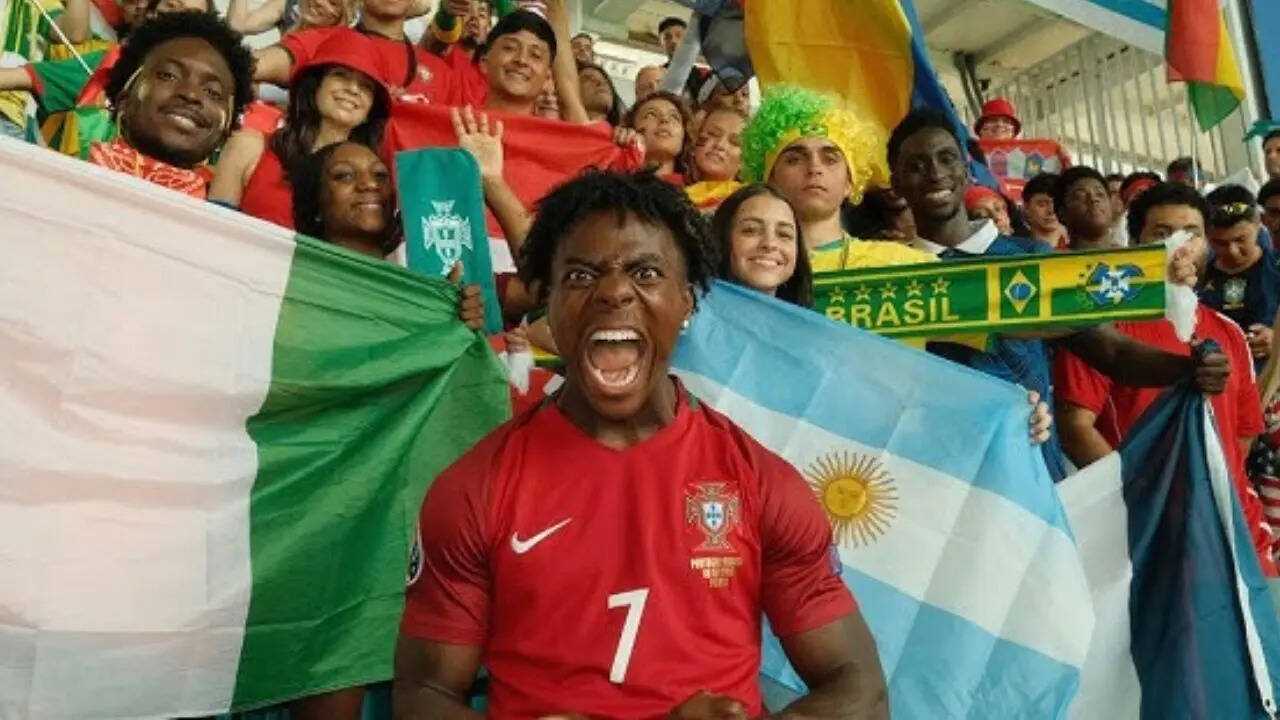
The trajectory of Dubioza Kolektiv’s anthem USA exemplifies how modern viral culture subverts original creative intent. What began as a scathing, politically charged critique of the American Dream by a Bosnian ska-punk band morphed into an ubiquitous soundtrack for global sports spectacles, most notably the FIFA World Cup. This transition from anti-capitalist satire to stadium banger highlights a broader phenomenon. Global audiences frequently strip protest music of its regional nuance, repurposing the sonic energy while entirely discarding the underlying message.
The track succeeds because its sonic architecture is engineered for collective euphoria, even as its lyrics detail the grim realities of economic migration and bureaucratic disillusionment. If you liked this piece, you should check out: this related article.
The Anatomy of an Accidental Anthem
Dubioza Kolektiv formed in 2003 in the crucible of post-war Bosnia and Herzegovina. The band has long operated as a musical wrecking ball against political corruption, economic stagnation, and the complexities of Western immigration policy. When they released the track, it was a sharp, satirical take on the cultural myth of the United States as a land of effortless prosperity.
The narrative follows a familiar Balkan trope. A migrant risks everything to reach America, only to find themselves trapped in a cycle of low-wage labor, cultural isolation, and systemic indifference. For another perspective on this story, check out the latest coverage from GQ.
Yet, when the song hit the international festival circuit and subsequent digital algorithms, the grim narrative substance vanished beneath the sheer momentum of the composition. The music features an aggressive blend of Balkan brass, hip-hop cadence, and high-tempo ska punk. It possesses an infectious, driving rhythm that triggers an immediate physical response in a crowd.
Stadium DJs and sports content creators did not analyze the verses regarding visa denial or structural inequality. They heard a massive horn hook and a relentless, driving beat perfect for keeping 80,000 fans unified in a state of high-energy anticipation.
The Mechanized Sanitization of Protest Music
This is not an isolated incident, but rather a structural feature of the global entertainment complex. Sports marketing demands high-octane audio that can transcend language barriers. The goal is to evoke raw emotion, unity, and motion.
When a track enters the stadium environment, it undergoes a process of functional decandence. The specific political grievances of the artists are flattened into generic signifiers of rebellion or celebration.
Consider the historical precedents. Bruce Springsteen’s Born in the U.S.A., a bitter condemnation of the treatment of Vietnam War veterans and working-class abandonment, was famously misinterpreted as a jingoistic political anthem. Similarly, Rage Against the Machine’s Killing in the Name has been blared at events where the listeners represent the exact institutional forces the song rails against.
With Dubioza Kolektiv, the irony is doubly thick. A song detailing the pain of being excluded from the Western economic apparatus became the background music for FIFA, an organization that represents the absolute apex of globalized corporate capitalism.
The transformation relies on three specific elements.
- Phonetic Simplicity: The chorus features easily repeatable, punchy English phrases that non-native speakers can shout without needing to understand the verses.
- Rhythmic Synchronization: The BPM (beats per minute) sits precisely in the sweet spot for synchronized jumping, clapping, and stadium chanting.
- Cultural Exoticism: For Western audiences, the addition of Balkan brass elements feels novel and energetic, offering an auditory thrill that standard pop or rock anthems lack.
Why the Balkan Sound Dominates Mass Spectacles
To understand why this specific track captured the global sports consciousness, one must look at the mechanics of Balkan brass and Euro-punk. The music is historically rooted in communal expression, designed to be played live, outdoors, and at maximum volume. It is participatory music. It leaves no room for passive listening.
[Traditional Brass Hooks] + [Aggressive Punk Tempo] = High-Yield Stadium Engagement
When applied to a modern sports arena, this sonic profile acts as an accelerant. The collective energy of a football stadium requires a specific type of fuel. Standard pop tracks often lack the necessary grit, while heavy metal can be too polarizing for a family-friendly broadcast. The ska-infused Balkan punk style occupies a perfect middle ground. It is edgy enough to feel rebellious, yet melodic enough to remain universally accessible.
The financial reality for independent artists from Southeastern Europe complicates the narrative further. Streaming algorithms do not reward nuance; they reward engagement metrics. When a track gets picked up by sports influencers, TikTok creators, or stadium programmers, the resulting surge in royalty payments and global visibility creates a paradox for a counter-cultural band.
Accepting the massive exposure means consenting to the erasure of the song's original meaning. Rejecting it means remaining in relative obscurity, limited by the geographic and economic constraints of the regional market.
The Audience as the Ultimate Editor
Ultimately, the globalization of local music proves that once a piece of art enters the digital ecosystem, the creator relinquishes control over its interpretation. The consumer, armed with the ability to clip, remix, and soundtrack short-form video content, becomes the ultimate editor.
In the case of Dubioza Kolektiv, the global sports apparatus took a song born from the frustration of post-war migration and turned it into a celebration of corporate athletic exceptionalism. The fans in the upper decks are not thinking about the visa lines in Sarajevo or the exploitation of undocumented labor in New York. They are reacting to the brass line, the kick drum, and the collective rush of the crowd. The message is completely lost, buried beneath the roar of the stadium.
.jpg?maxwidth=2250&maxheight=1050)