Eli Lilly has just committed up to $2.75 billion to a sweeping drug discovery alliance with Hong Kong-listed Insilico Medicine, a move that signals a desperate race to secure the next generation of metabolic blockbusters. The deal includes an immediate $115 million cash injection for Insilico, granting Lilly exclusive rights to a "best-in-class" preclinical oral drug—rumored to be a potent GLP-1 receptor agonist—and a collaborative pipeline aimed at multiple undisclosed targets.
While the headline figure suggests a windfall for the AI-biotech sector, the reality is far more calculated. For Lilly, this is about defending its crown in the diabetes and obesity market against a surging Novo Nordisk. For Insilico, it is a necessary lifeline as the company grapples with widening losses and the unforgiving scrutiny of the public markets.
The Metabolic Arms Race
The timing of this partnership is no coincidence. The global demand for GLP-1 drugs has transformed pharmaceutical balance sheets, making metabolic health the most contested territory in the industry. Traditional drug discovery is a slow, agonizing process where a single molecule can take five years just to reach human trials. Lilly cannot afford to wait.
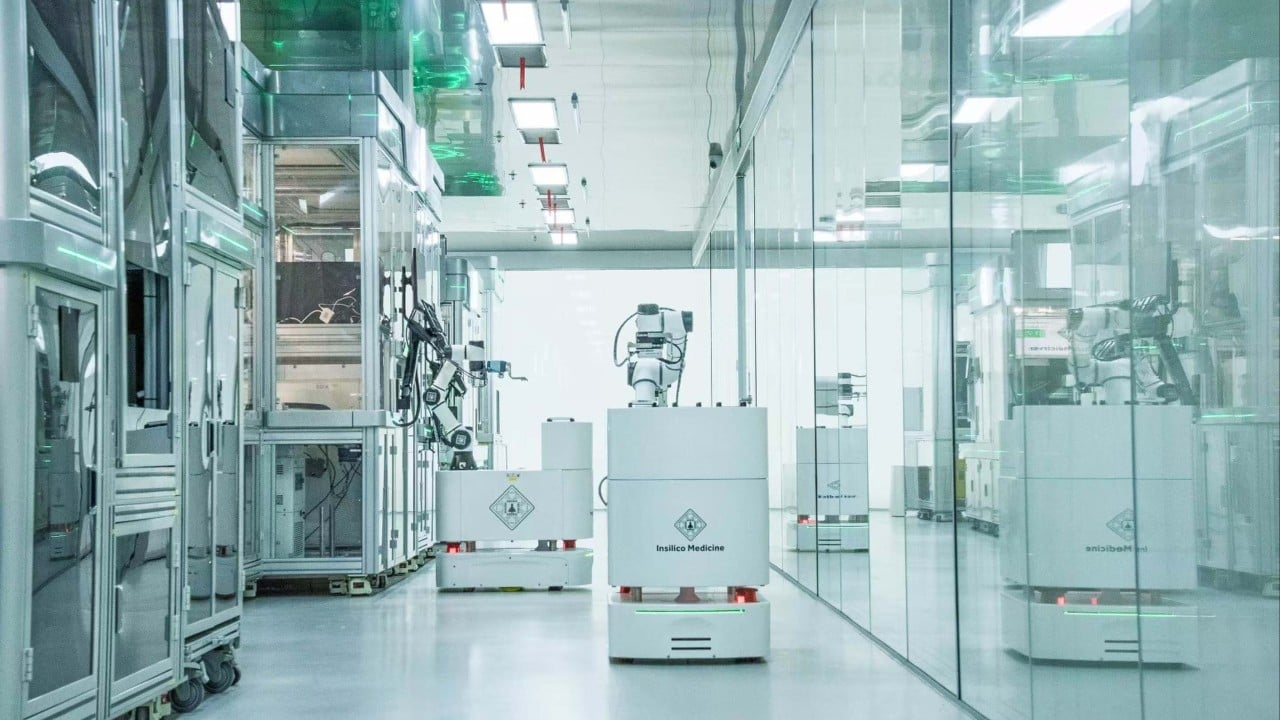
Insilico’s value proposition lies in its ability to compress these timelines. Between 2021 and 2024, the firm nominated 20 preclinical candidates, averaging just 12 to 18 months per program. That is roughly a 70% reduction in time compared to the industry standard. By utilizing generative models to design molecules that fit specific biological targets like a key in a lock, Insilico bypasses the "spray and pray" method of screening hundreds of thousands of random compounds.
The Hidden Cost of Innovation
Despite the staggering $2.75 billion sticker price, the financial health of the "AI-first" biotech model remains fragile. Just hours before the Lilly announcement, Insilico released its 2025 annual results, revealing a net loss that ballooned to $352 million—a nearly twenty-fold increase from the previous year. Revenue dropped by over 30%, landing at roughly $56 million.
This disconnect between multi-billion dollar deal potential and actual fiscal bleeding highlights the central tension in the sector.
- High Burn Rates: Maintaining a proprietary "end-to-end" platform requires massive investment in compute power and specialized talent.
- Milestone Dependency: The $2.75 billion is not a check written today. It is a long-term promise tied to regulatory hurdles and successful sales.
- Market Skepticism: Since listing on the HKEX, Insilico has faced the pressure of proving that "AI-designed" translates to "clinically superior."
Lilly is essentially buying time. By securing a preclinical oral candidate now, they aim to beat competitors to a more convenient, pill-based version of the current injectable weight-loss therapies.
Why Big Pharma is Moving Beyond Software Licensing
In 2023, Lilly and Insilico signed a simple software licensing agreement. That was the testing phase. The new deal represents a shift from "using the tool" to "owning the product." This evolution is happening across the board as pharmaceutical giants realize that simply having the software isn't enough; they need the specific molecules generated by these systems to fill their thinning pipelines.
The industry is watching rentosertib (ISM001-055), Insilico’s lead internal candidate for idiopathic pulmonary fibrosis. It recently showed promising Phase IIa results. If this drug—the first entirely AI-discovered and designed molecule to reach this stage—succeeds in Phase III, it will validate the entire category. If it fails, the "AI premium" currently enjoyed by firms like Insilico and Recursion could evaporate overnight.
Geopolitics and the Silicon Lab
There is a quiet, strategic layer to this deal. Insilico operates as a "borderless" entity, with R&D hubs in Canada and the Middle East, while maintaining its primary listing and clinical operations in Greater China.
Alex Zhavoronkov, Insilico’s founder, has been vocal about his vision for "pharmaceutical superintelligence." He argues that the speed of synthesis in China, combined with Canadian AI architecture, creates a unique competitive edge. For Lilly, a US-based titan, navigating this international web is a calculated risk. They are betting that the quality of the science outweighs the complexities of a bifurcated supply chain.
The Real Objective
This isn't just about finding one drug. It is about a fundamental change in the economics of failure. In the old model, a $2 billion failure in Phase III could cripple a mid-sized firm. By using predictive models to identify toxicity and efficacy issues in the preclinical stage, Lilly hopes to "fail fast and fail cheap."
The $115 million upfront is a rounding error for a company of Lilly’s size. It is a small price to pay for a front-row seat to a technology that might finally break the decade-long stagnation in R&D productivity.
The deal will be judged not by the billions promised, but by whether the "potentially best-in-class" oral therapy survives the brutal reality of human biology. AI can dream up a perfect molecule, but the human body remains the ultimate, unpredictable judge.
Would you like me to analyze the specific clinical milestones Lilly must hit to trigger the next $500 million in payments?