Romanticizing a crumbling stone tower on a wave-battered cliff is easy when you are sitting in a heated, dry apartment scrolling through Instagram. Every few years, some idealistic journalist or lifestyle blogger blows their savings on a decommissioned maritime beacon, spends three years turning it into an eight-story vertical labyrinth, and writes a glossy memoir about the triumph of human spirit over architectural decay.
They sell you a lie.
I have watched otherwise intelligent people throw hundreds of thousands of dollars into rusted iron doors, failing foundations, and logistics nightmares that would make a general contractor weep. The lazy consensus of the media is that buying an abandoned lighthouse is the ultimate rugged independence move, an off-grid triumph of creative repurposing.
It is actually a masterclass in sunk cost fallacy.
The Structural Illusion of Historic Fortresses
Lighthouses look indestructible. That is the point. Built to withstand Atlantic gales and North Sea swells, granite and cast iron give off an aura of permanence.
They are not homes. They are vertical infrastructure.
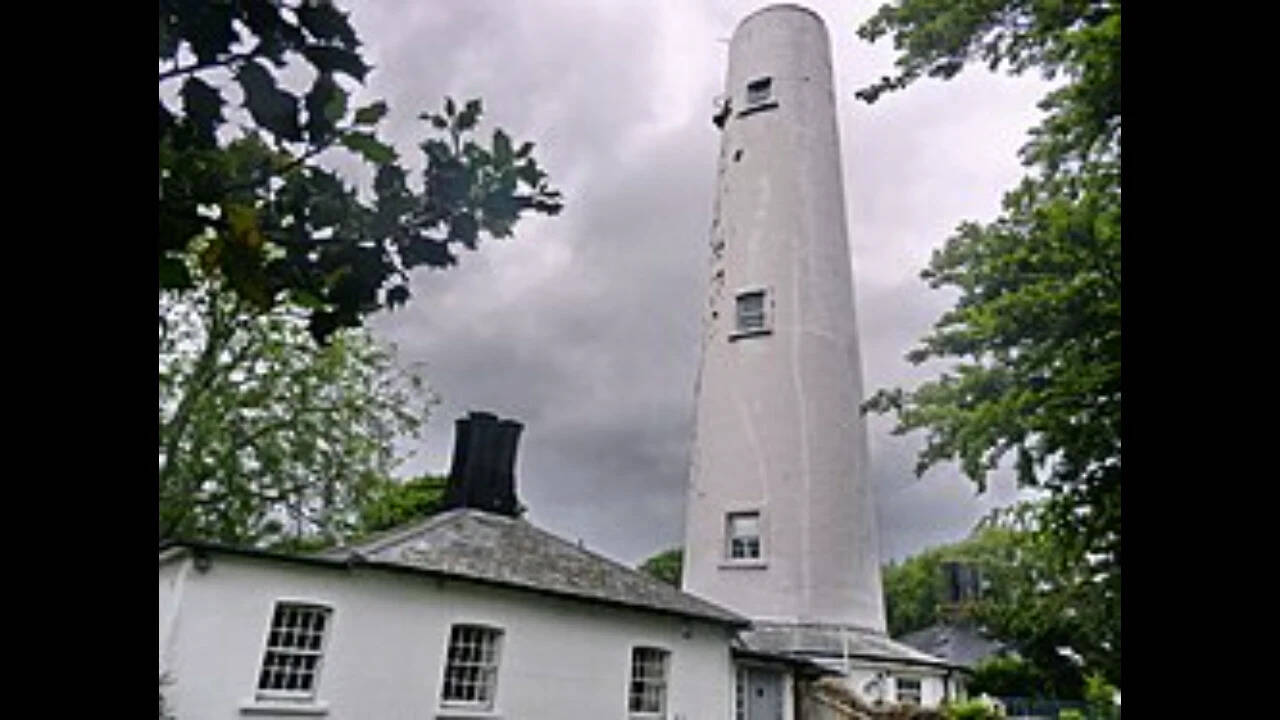
When you buy an eight-story lighthouse, you are buying a concrete and masonry chimney where moisture does not just enter; it camps out permanently. Historic maritime engineers designed these structures to vent dampness, not to keep a family comfortable in winter. Every single wall sweats. The thermal envelope does not exist.
If you try to insulate the interior to stop your heating bill from rivaling a small nation's military budget, you trap condensation behind your drywall. Within three years, your romantic stone walls are growing toxic mold colonies that require a hazmat suit to remediate.
Let us talk about the stairs. Spiral cast-iron staircases look cinematic in a photo essay. Try carrying groceries up six flights of stairs after a twelve-hour workday while it is howling outside. Try moving a king-sized mattress or a replacement water heater up a spiral radius designed for nineteenth-century keepers carrying oil cans. The novelty wears off around week two. By month six, you are living out of a backpack on the ground floor and using the upper floors as expensive storage.
The Logistical Nightmare Nobody Mentions
People love to talk about the romance of isolation. They rarely talk about the cost of a bag of concrete.
Most lighthouses sit on jagged promontories, rocky islets, or spits of land accessible only by boat or treacherous footpaths. Every single stick of timber, every sheet of marine-grade plywood, every electrical wire, and every drop of potable water has to be barged, hauled, or helicoptered in.
Logistics costs do not scale linearly in remote maritime architecture; they explode exponentially. A standard roof repair that costs five thousand dollars on a suburban ranch suddenly demands a marine crane rental, specialized rigging crews, and favorable tidal conditions. Your five-thousand-dollar fix is now a fifty-thousand-dollar crisis.
Municipalities love unloading these white elephants. Governments spent decades subsidizing automated beacons, and when the maintenance backlog hits millions, they slap them on the open market for a dollar or a nominal fee. They cheer when a sucker buys it because the property tax liability and structural remediation burden finally transfer off the public ledger. You think you beat the system by buying a historic landmark for pennies. The system just outsourced its demolition costs to you.
The Plumbing and Power Illusion
Living off the grid sounds peaceful until your graywater backup pump fails during a Nor'easter.
Vertical plumbing in a narrow tower defies standard residential codes. Gravity drainage works fine until you have to pump sewage vertically across multiple floors to meet a municipal connection or an approved septic field. If your pump dies, your whole vertical world smells like a bilge tank.
Electricity is another trap. Salt spray eats coastal wiring alive. Copper corrodes at an accelerated rate when encased in damp stone towers exposed to ocean mists. You are not just wiring a house; you are maintaining a marine-grade industrial electrical grid in an enclosed space.
The Unspoken Mental Health Toll
Isolation is romanticized until you actually experience sensory deprivation combined with constant wind shear. Lighthouses do not sit quietly in the breeze. They catch the wind like a sail. In a heavy gale, an eighty-foot stone tower vibrates, hums, and occasionally groans.
Sleep deprivation becomes your baseline. The constant acoustic resonance of wind beating against solid masonry wears down your nervous system. Add the lack of immediate emergency services—try getting an ambulance down a rocky spit of land while the tide is high—and your peaceful sanctuary quickly transforms into a high-stress panopticon.
What You Should Do Instead
If you want the aesthetic of coastal isolation without sentencing yourself to a lifetime of structural remediation and maritime logistics hell, buy a plot of land fifty yards inland and build a modern, high-performance home with triple-pane glass and proper insulation.
You get the view. You keep your sanity. And you don't spend your weekends scrubbing efflorescence off granite blocks that were never meant to keep humans warm.
Stop buying monuments to past eras. Let the ghosts keep their towers.