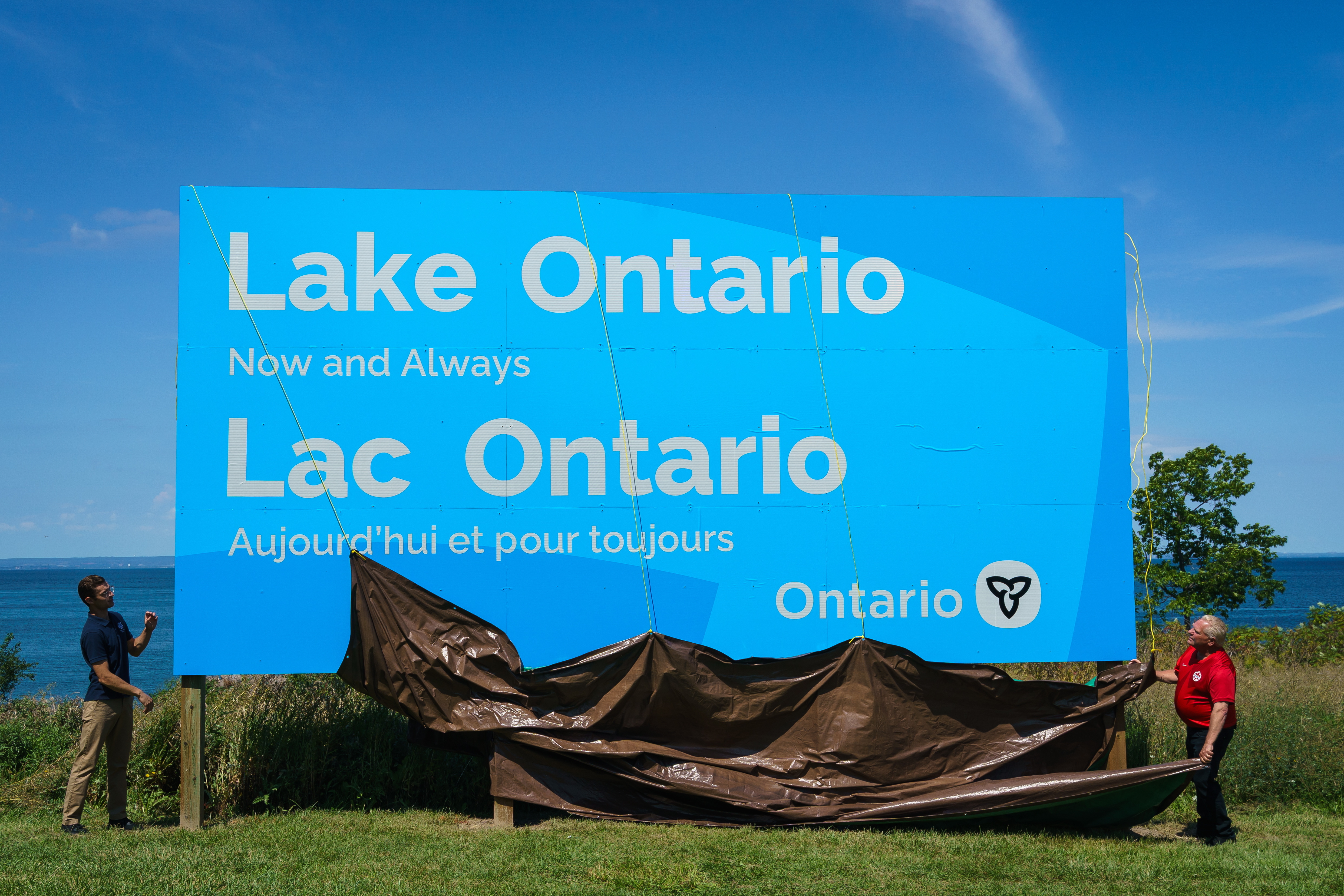
Borders matter. Names matter too. When political figures start tossing around casual ideas about renaming massive international landmarks, people notice. Especially when those landmarks sit right on the edge of a fiercely proud sovereign nation. You've probably heard bits and pieces about the sudden political noise surrounding Lake Ontario. Donald Trump floated the idea of renaming the freshwater giant as Lake America. Canadians didn't stay quiet. They clapped back fast.
Let's look at what actually happened. The political rhetoric crossed the northern border and hit a nerve. Lake Ontario spans nearly 19,000 square kilometers. It touches both the US state of New York and the Canadian province of Ontario. It's not a backyard pond you can rebrand on a whim.
The Reality of Cross Border Waters
Geographic names carry history. They carry treaties, indigenous roots, and decades of shared stewardship. When someone suggests slapping a nationalist label on a binational body of water, it ignores the basic reality of how shared geography works.
You can't just change a map because it sounds catchy at a rally. The Great Lakes are governed by complex international agreements. The Boundary Waters Treaty of 1909 handles disputes and environmental protections between the US and Canada. Neither Washington nor Ottawa acts alone here.
Canadians responded with a mix of sharp humor and firm pushback. Social media lit up within hours. Local politicians issued dry statements pointing out basic geography. People living along the golden horseshoe didn't panic. They mocked the absurdity.
Why This Fight Hit Different
National identity north of the 49th parallel often hinges on subtle distinctions from the giant neighbor to the south. Canadians are fiercely protective of their regional markers. Lake Ontario holds millions of people along its shores. Toronto, Kingston, and Hamilton rely on its waters every single day.
When you mess with a name like Ontario, you mess with local heritage. The name itself comes from the Wyandot word ontarí:io, meaning great lake. It dates back centuries before European settlement. Dropping that history for a quick political slogan feels hollow.
Insiders know that border tensions usually stay quiet. Trade disputes happen over lumber or dairy. Environmental talks happen behind closed doors. Cultural clashes usually stay confined to hockey rivalries. This time, the absurdity of the proposal dragged everyday citizens into the cultural defense line.
The Power of Local Pushback
Public opinion matters. When politicians hear immediate, universal mockery from both sides of the political aisle, bad ideas die fast. Local leaders in Ontario didn't wait for federal Ottawa to draft a formal diplomatic note. Mayors and provincial MPs took to public platforms immediately.
That speed is crucial. In modern media cycles, bad proposals stick if nobody counters them instantly. Canadians treated the Lake America idea with the precise amount of seriousness it deserved. Zero.
You saw memes blending geography lessons with polite snark. That is the modern Canadian defense mechanism. It disarms aggressive rhetoric without escalating into actual hostility.
Protecting Shared Resources
Naming rights are one thing. Actual water management is another. While politicians argue over what to call a puddle or a lake, real environmental threats loom over the basin. Invasive species, shoreline erosion, and industrial runoff require constant, quiet cooperation.
Both nations spend billions keeping these ecosystems alive. Real work doesn't care about branding exercises. The International Joint Commission monitors water levels and quality without caring what political banners get waved at campaign stops.
If you live near the waterfront, you care about clean drinking water and safe swimming conditions. You don't care about a rebrand designed for a headline.
Take a look at how cross border relations actually function on the ground. Border patrol agents share intelligence. Coast guard units run joint rescue missions. Fire departments in border towns cross lines to help neighbors. That cooperation runs deeper than any temporary political noise.
Moving Past the Noise
This whole episode highlights how easily rhetoric outpaces reality. Ideas get thrown out to capture attention. Most of them vanish by the next news cycle.
The next time someone suggests renaming a continent sized natural wonder, check the map. Check the treaties. Then watch how fast local communities defend their history.
Don't get distracted by linguistic posturing. Pay attention to who actually cares for the land and water. Canada showed everyone how to handle absurd proposals. Meet them with facts, humor, and an unshakeable refusal to let your history get rewritten for a soundbite. Keep your eyes on the water and your history books open.