Fidel Castro thought he closed the book on American corporate assets in Cuba back in 1960. He was wrong. It took sixty-six years, but the highest court in the United States just handed corporate America a massive hammer to swing at the Cuban regime.
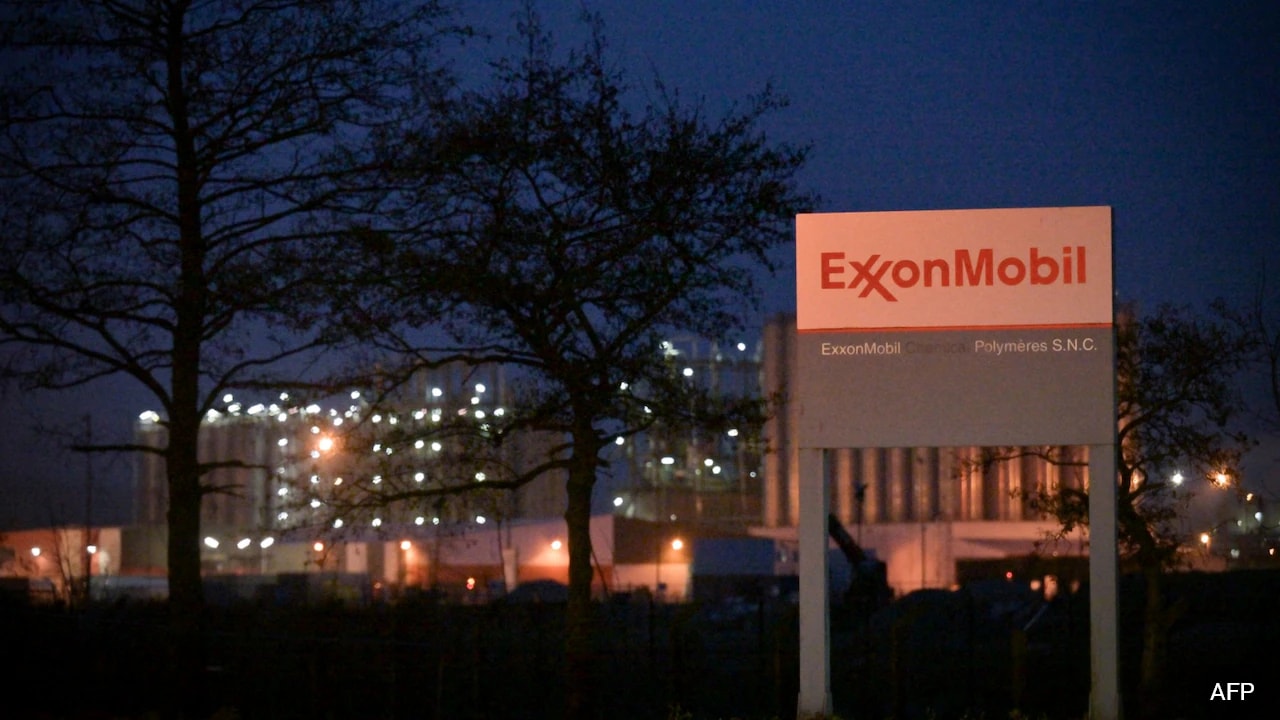
In a major 6-3 decision, the U.S. Supreme Court ruled that ExxonMobil can move forward with its massive lawsuit against Cuban state-owned companies. The oil giant wants compensation for an oil refinery and more than a hundred gas stations that Castro grabbed during the communist revolution. What started as a $71.6 million loss in the mid-twentieth century has snowballed into a claim worth well over $1 billion.
The ruling strips away the legal shield that foreign governments usually hide behind. It completely changes the financial landscape for doing business with Cuba, and it signals a harsh new era of legal vulnerability for the island nation.
Stripping the Sovereign Immunity Shield
For years, the Cuban government and its commercial arms felt safe from American courts. They leaned heavily on the Foreign Sovereign Immunities Act of 1976. This law usually blocks Americans from suing foreign states and their state-backed businesses. If you cannot sue, you cannot collect.
That strategy just failed. Justice Brett Kavanaugh, writing for the conservative majority, cleared up the confusion. He stated that a specific 1996 law called the Helms-Burton Act explicitly overrides that sovereign immunity.
The logic is straightforward. Congress created the Helms-Burton Act to punish anyone who profits from stolen American property in Cuba. Kavanaugh wrote that it makes little sense for Congress to pass a law allowing Americans to sue Cuban entities while simultaneously letting those same entities claim they are immune from lawsuits. The 1996 law inherently cancels out the 1976 immunity.
The court's three liberal justices dissented, with Justice Elena Kagan arguing that the text of the 1996 law doesn't explicitly wipe away the sovereign immunity shield. But the majority didn't buy it. By backing ExxonMobil, the court opened the doors to U.S. district courts, allowing corporate attorneys to target Cuban state conglomerates directly.
The Assets on the Line
ExxonMobil isn't chasing a abstract point of law. They want their money. The roots of this fight trace back to Standard Oil, ExxonMobil's corporate predecessor. When Castro's forces marched into Havana, they seized the Belot oil refinery—now known as the Ñico López refinery—alongside 117 service stations, terminals, and packaging plants.
The Cuban government didn't mothball these assets. They handed them over to state run enterprises. Specifically, they went to Unión Cuba-Petróleo (CUPET) and Corporación CIMEX, the largest state-owned conglomerate on the island. For decades, these entities ran the refinery, sold gasoline, and pumped the profits back into the Cuban state.
Look at how the math works on a sixty-six-year-old debt:
- Original 1960 Value: The U.S. Foreign Claims Settlement Commission certified the original loss at $71.6 million.
- The Interest Accumulation: The certification included a 6% annual interest rate starting from the date of the theft.
- The Current Value: With decades of compounding interest and the potential for triple damages under the Helms-Burton Act, the total claim now easily clears $1 billion.
Why This Case Remained Frozen for Decades
You might wonder why ExxonMobil waited until recently to push this fight to the finish line. The answer lies in Washington politics.
When Congress passed the Helms-Burton Act in 1996, it included a safety valve. Title III of the law allows U.S. citizens to sue companies that "traffic" in confiscated Cuban property. However, worried about angering European and Canadian allies who invest heavily in Cuba, every single U.S. president suspended Title III every six months. For over twenty years, the law sat on a shelf, completely useless.
That changed during Donald Trump's first term in office. In 2019, his administration lifted the suspension. ExxonMobil filed its lawsuit the exact same day the law went live.
Though lower courts eventually dismissed the case by arguing that Cuba's state companies still had foreign immunity, ExxonMobil refused to drop the issue. They appealed all the way to the top. The timing of this victory lines up perfectly with the second Trump administration's aggressive economic strategy, adding a massive legal lever to the ongoing U.S. oil embargo against the island.
A Brutal Month for Cuban Interests
This isn't an isolated win. It is the second major blow the Supreme Court dealt to Cuban property interests in less than two weeks.
Just last month, the court ruled in favor of Havana Docks Corporation. That company held a lease on the cargo and passenger docks in Havana harbor before Castro took them. After Title III was activated, Havana Docks sued major cruise lines like Carnival, Royal Caribbean, Norwegian, and MSC Cruises for using those stolen docks during the brief diplomatic thaw under the Obama administration. The cruise lines tried to get the case thrown out on technicalities, but the Supreme Court revived the claims, putting more than $400 million in combined judgments back on the table.
Between the cruise ship ruling and the ExxonMobil victory, the Supreme Court has made one thing clear. If you use, rent, or profit from property confiscated by the Cuban government after 1959, American courts will hold you accountable.
What Happens Next
Do not expect Cuba to write a $1 billion check tomorrow. They won't. The case now drops back down to the U.S. District Court for the District of Columbia to hash out the actual liability and financial details.
The real danger for Cuba lies in its global assets. Now that sovereign immunity is off the table, a final judgment in favor of ExxonMobil allows the company to hunt for Cuban assets outside of Cuba. This means state-owned shipping vessels, commercial bank accounts held in cooperative jurisdictions, and incoming trade payments could face aggressive seizure attempts by corporate collections lawyers worldwide.
For companies still doing business on the island, the legal risk just skyrocketed. Anyone operating in Cuba needs to audit their physical footprint immediately. If your hotel, terminal, or warehouse sits on land that belonged to an American entity before 1959, you are a sitting duck for a massive lawsuit.
Supreme Court OKs ExxonMobil to sue Cuba
This broadcast explains the immediate legal mechanics of the Supreme Court's ruling and details how the interaction between the Helms-Burton Act and foreign sovereign immunity played out during oral arguments.