A round-the-world motorcycle trip sounds like the ultimate freedom. For Sussex couple Craig and Lindsay Foreman, it turned into a 10-year prison sentence in Iran’s notorious Evin Prison.
On Tuesday, the family confirmed the couple lost their appeal against espionage convictions. They weren't even allowed to attend their own hearing. Instead, Iranian authorities tried to force them to sign Farsi documents they couldn't read. They refused.
Now, they are starving themselves. Craig is on day 25 of a hunger strike. Lindsay is on day 16. Their communication with the outside world is gone, cut off by the prison staff after Lindsay gave a media interview. This isn't just a legal failure; it's a terrifying glimpse into Iran's hostage diplomacy, and it shows why westerners need to stop treating high-risk travel warnings like optional suggestions.
The Illusion of the Open Road
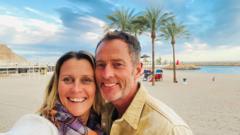
The Foremans entered Iran in January 2025. They were experienced travelers doing what thousands of overland bikers do every year. They posted photos from Isfahan. They smiled for selfies. They looked like tourists because they were tourists.
But Iran doesn't see tourists. The regime sees leverage.
The Tehran Revolutionary Court handed down a decade-long sentence in February. The accusation of espionage is a standard template for the Iranian judiciary when dealing with western nationals. In a leaked audio recording from prison, Craig described their environment as a "war zone" and slammed the British government for failing to defend their innocence.
The family is frantic. Joe Bennett, Lindsay's son, met with the Foreign, Commonwealth and Development Office (FCDO) on Monday. He walked out with zero clarity. The case now heads to the Iranian Supreme Court, a opaque body where the couple has no real legal representation and no understanding of the timeline.
The Reality of Hostage Diplomacy
Let's be completely transparent here. The UK government advises against all travel to Iran. The FCDO warning explicitly states that simply holding a British passport is enough to get you locked up.
Why does Tehran do this? It's a calculated diplomatic strategy.
- Bargaining Chips: Western detainees are traded for frozen assets, prisoner swaps, or diplomatic concessions.
- The French Precedent: The Foreman family's frustration is boiling over because France recently secured the release of two citizens, Cecile Kohler and Jacques Paris, in April. The UK, meanwhile, appears stuck in neutral.
- Geopolitical Friction: As military tensions rise across the region, these prisoners become human shields for a regime under immense international pressure.
When you cross that border, you aren't just an adventurous traveler anymore. You're an asset for the Islamic Revolutionary Guard Corps.
What the Adventurers Get Wrong
There’s a dangerous mentality in the overland travel community. You see it on forums and travel blogs all the time. People write off government travel advisories as overly cautious bureaucratic nonsense. They rely on the "anecdotal pass"—the idea that because another blogger crossed through Iran last month without issue, the country is safe.
It's a classic cognitive bias.
The risk isn't that every tourist gets arrested. The risk is that if the political temperature changes while you are crossing the desert, you become the next headline. The Foremans didn't do anything wrong, but they made the fatal mistake of believing their innocence would protect them. In a rogue state, innocence is irrelevant.
What Needs to Happen Now
If you have family members traveling abroad or if you're planning an ambitious international itinerary yourself, you have to treat red-list warnings with absolute seriousness. Here is the harsh reality of what you need to do if a relative is detained under these conditions.
Stop Internalizing the Quiet Diplomacy Advice
Governments always tell families to keep quiet to allow "behind-the-scenes negotiations" to work. But history shows that public pressure and media noise are often the only things that force Western governments to prioritize hostage releases. The Foremans’ family is right to shout.
Demand Clear Metrics from the FCDO
Don't settle for boilerplate statements about "working tirelessly." Families need to press officials for specific updates on consular access and demand that the British Ambassador to Tehran gets back inside Evin Prison to verify the couple's health during their hunger strike.
Re-evaluate Your Travel Risks
If a country's travel advisory says "Do Not Travel," it means the government cannot help you when things go south. No consular assistance, no legal aid, no quick rescue. If you still choose to go, you are gambling your life on the whims of a foreign dictatorship.
Craig and Lindsay Foreman wanted an adventure. Instead, they are trapped in a geopolitical chess match with no clear way out. Don't make the same mistake. Look at the map, read the warnings, and believe them.