Air defense systems do not win wars. They buy time. When pundits and military analysts look at the massive missile salvos exchanged in the Middle East, they often credit interceptor batteries with preventing a catastrophic regional escalation. This is a fundamental misunderstanding of modern warfare. The primary reason a full-scale ground invasion or an unmitigated aerial leveling of Iranian infrastructure has not occurred is not the technical perfection of defensive shields. It is the cold, calculated math of asymmetric retaliation. Without the lingering threat of thousands of forward-deployed ballistic missiles and rockets aimed at population centers, the threshold for a devastating preemptive strike against Iran would drop to near zero.
Defensive technology creates a dangerous illusion of security. For decades, military strategy relied on the concept of Mutually Assured Destruction or, at the very least, prohibitive cost imposition. The introduction of highly advanced multi-tiered air defense networks changed the political calculus, making leaders believe they could neutralize an adversary's entire offensive portfolio with the push of a button. But this logic is flawed. Defense is inherently reactive, expensive, and finite.
The Arithmetic of Exhaustion
Every time an interceptor launches, the defending nation loses the economic argument. A standard ballistic missile interceptor can cost anywhere from one million to over three million dollars. The projectile it is meant to destroy often costs a fraction of that amount, sometimes as little as a few tens of thousands of dollars. This economic disparity is the soft underbelly of modern air defense strategy.
Air defense is a game of capacity. An battery possesses a fixed number of ready-to-fire missiles. Once those cells are empty, the reload process takes hours, sometimes days, requiring secure logistics chains that are highly vulnerable during active conflict. An adversary focused on saturation tactics does not need to bypass the interceptor technically. They simply need to outnumber it.
Consider a scenario where an attacker launches a wave of cheap, slow-moving drones followed immediately by low-altitude cruise missiles, finishing with high-velocity ballistic assets. The defense must make split-second decisions on which targets pose an existential threat and which are mere decoys. If the system fires at every incoming radar signature, it empties its magazines early, leaving major cities or military bases completely exposed to the heavy ordnance trailing behind the initial wave.
This saturation threshold is what keeps military planners awake at night. The true deterrent is not the shield that catches the arrows. It is the realization that the attacker has more arrows than the defender has shields.
The Strategy of the Forward Proxy
Iran built its entire defense doctrine around this exact structural vulnerability. Recognizing that its conventional air force was hopelessly outdated and incapable of surviving an encounter with Western-built fighter jets, Tehran invested heavily in two specific capabilities. They built the largest ballistic missile arsenal in the region and distributed vast stockpiles of unguided rockets and precision-guided munitions to non-state actors along the borders of its adversaries.
This geographic distribution creates a multi-directional dilemma for air defense networks. A system optimized to detect and track high-altitude threats originating hundreds of miles away can struggle against low-tier threats launched from just across a literal border fence.
- Geographic Proximity: Rockets launched from short range offer virtually zero warning time, rendering traditional early-warning radars ineffective.
- Volumetric Salvos: Launching hundreds of projectiles simultaneously forces the defense into a triage state where manual intervention is impossible.
- Economic Bleeding: Forcing a state to utilize million-dollar assets against improvised or low-cost munitions quickly drains national treasuries and foreign military aid allocations.
This network of forward-deployed firepower functions as a proxy deterrent. It means any direct conventional strike on Iranian soil triggers a secondary, immediate response from multiple geographic fronts simultaneously. The sheer volume of this potential response would overwhelm even the most sophisticated integrated air defense network on earth within the first forty-eight hours of conflict.
The Mirage of Total Protection
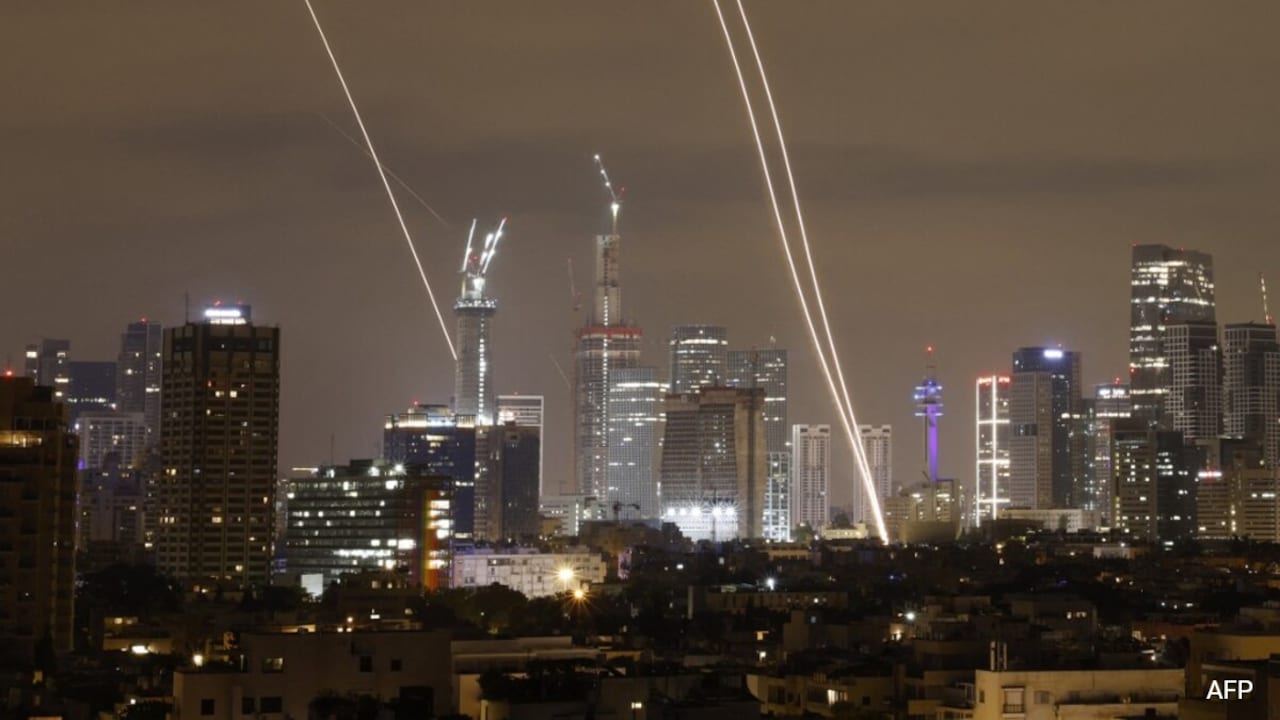
Political leaders love air defense because it sells well to the public. It looks clean. It provides spectacular nighttime footage of interceptions in the sky, creating a comforting narrative that the state can maintain a bubble of absolute safety. This narrative is a political lie.
No air defense system is one hundred percent effective. Even a ninety percent success rate sounds impressive until you calculate the impact of the remaining ten percent. If an adversary launches five hundred ballistic missiles and forty-five slip through the net, the resulting damage to critical infrastructure, electrical grids, and military command nodes can be completely paralyzing.
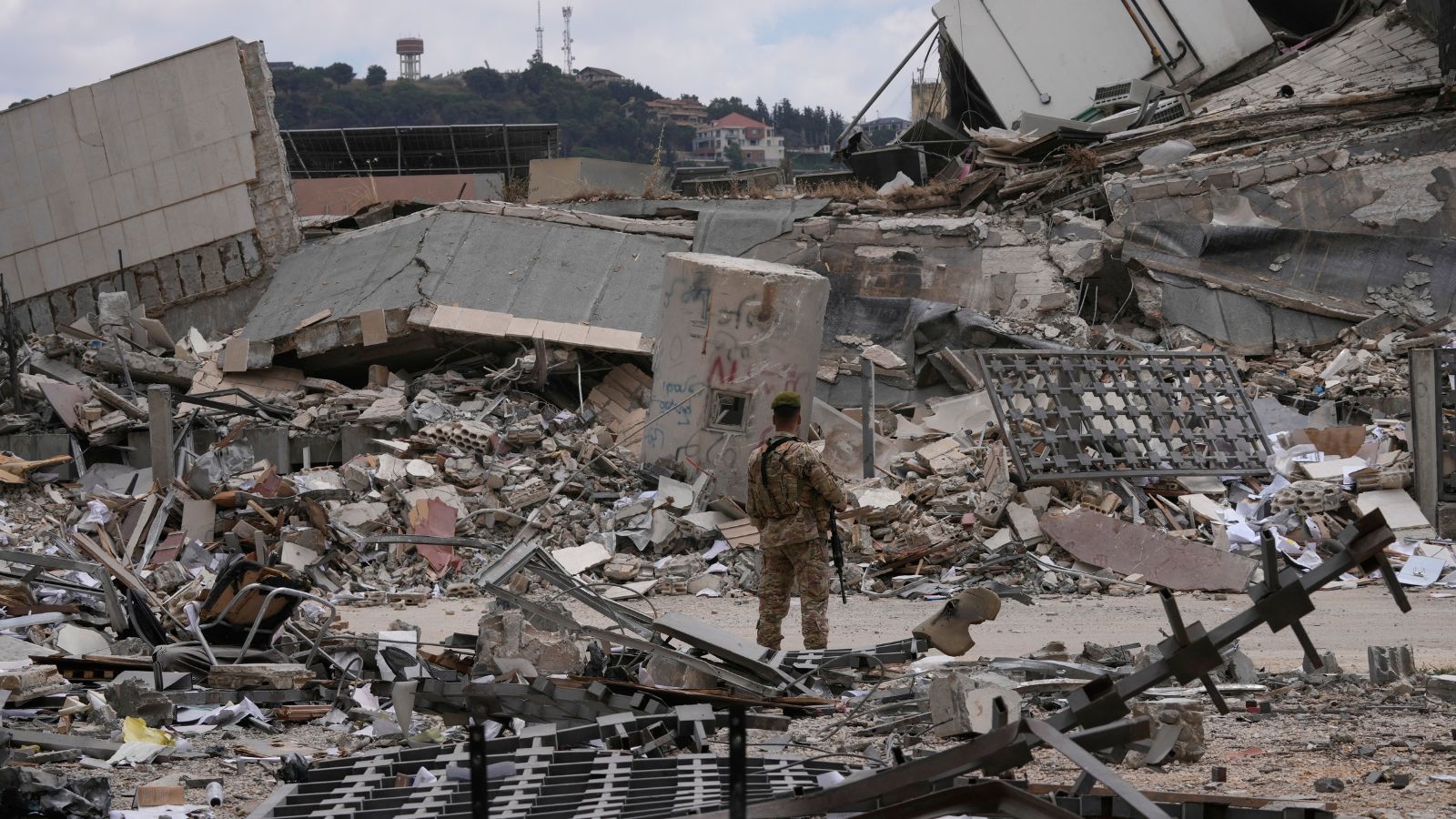
Furthermore, the debris from a successful interception does not vanish. Hundreds of pounds of burning metal, unspent rocket fuel, and explosive fragments must fall somewhere. In densely populated urban environments, the fallout from a technically successful interception can still cause significant casualties and fires on the ground.
The Shift Toward Preemption
When air defense systems are pushed to their absolute limits, they inadvertently accelerate the timeline for offensive action. If a nation realizes that its defensive shield is about to deplete its interceptor inventory, the political and military leadership faces a brutal choice. They can sit back and wait for the remaining defensive assets to fail, or they can launch a massive, preemptive strike to destroy the enemy's launch platforms before more missiles can take flight.
This reality flips the traditional understanding of air defense on its head. Far from being a tool for de-escalation, reliance on these systems can actually force a state into launching a massive conventional ground or air campaign to neutralize threats at the source. The defensive shield becomes a bridge to offensive escalation.
The geopolitical balance in the region remains intact not because of the tech deployed in the dirt, but because of the horrific arithmetic of a conflict stripped of defensive illusions. If the offensive missile arrays vanished tomorrow, the strategic restraint holding back total conventional destruction would vanish along with them. The weapons themselves dictate the peace, however fragile it may be.