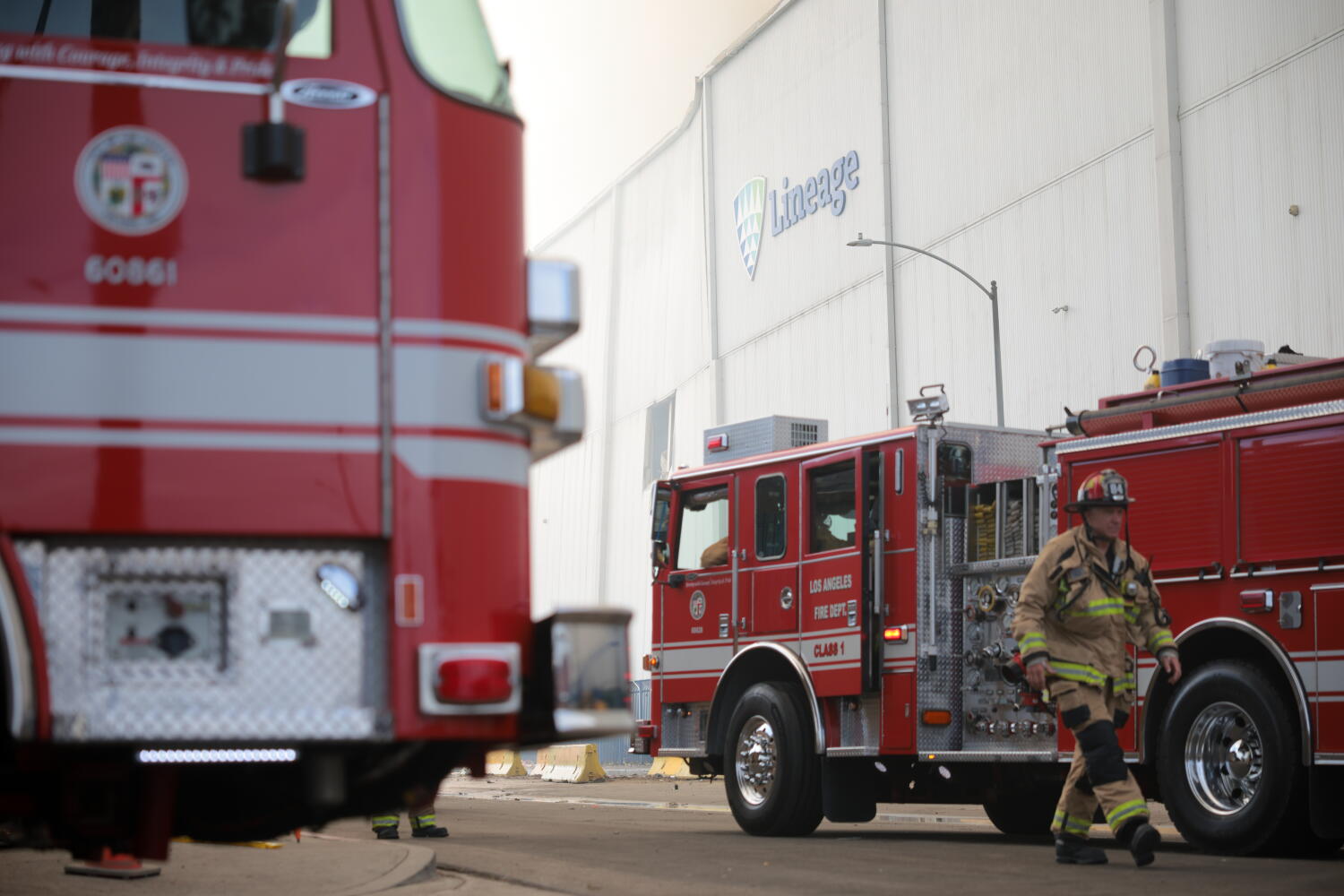
Los Angeles politics rarely features a quiet disagreement. Instead, municipal entities usually clash in full public view, burning through millions of dollars to shape voter perception. The fierce battle over Measure FD exposed a deep fracture between two of the city's most powerful public safety institutions.
When the union representing Los Angeles Police Department officers publicly opposed the half-cent sales tax hike pushed by the firefighters' union, it caught casual observers off guard. After all, cops and firefighters usually stand shoulder-to-shoulder on labor issues. But this fight wasn't about equipment or emergency response times. It was about city revenue caps, tax burdens, and a zero-sum game for public dollars. For a different perspective, read: this related article.
Breaking Down Measure FD and the Tax Burden
Measure FD sought to authorize an additional 0.5% sales tax dedicated entirely to the Los Angeles Fire Department. Proponents argued the cash influx—projected at roughly $345 million to $347 million annually—was urgently required to build stations, hire personnel, and upgrade aging infrastructure.
Opponents, spearheaded by the Los Angeles Police Protective League (LAPPL) and taxpayer watchdog groups like the Howard Jarvis Taxpayers Association, pointed to a different reality. They emphasized that the increase would push the city's total sales tax rate to 10.75%, making it one of the highest in the region. Further coverage on this matter has been provided by NPR.
Richard Mendoza, president of the LAPPL, didn't mince words when explaining the opposition. He noted that locking in a permanent tax hike boxes the city into a corner. If a severe fiscal emergency hits down the road, local leaders lose the flexibility to adjust sales tax rates locally because they would already be bumping against statutory caps imposed by the state legislature in Sacramento.
The Internal Labor Clash
Public safety unions usually operate under an unwritten alliance. When one asks for support, the other typically nods along. Measure FD shattered that dynamic.
The firefighters' union, United Firefighters of Los Angeles City (UFLAC), poured immense financial resources into campaigning for the ballot initiative, even asking members for special campaign assessments. They framed the vote as a generational decision for emergency safety.
Meanwhile, police union leadership viewed the maneuver as an aggressive grab for a massive, unallocated revenue stream. Mendoza pointed out a glaring flaw from a municipal budgeting standpoint: the measure funneled money directly to a single department without a detailed, transparent spending plan locked into place.
Because city budgets operate out of a single primary pool of discretionary funds, carving out a permanent, dedicated sales tax stream for one agency alters the financial ecosystem for every other municipal worker. If the fire department secures an extra billion dollars over a few short years outside the normal general fund allocation, competing city departments—including police, sanitation, and transportation—find themselves fighting for scraps.
Why Everyday Angelenos Felt the Pinch
Sales taxes are inherently regressive. They take a much larger bite out of the pockets of low- and middle-income residents compared to high earners, because working-class households spend a higher percentage of their income on everyday necessities that carry sales tax.
Voters faced a genuine dilemma at the ballot box. On one side stood images of overworked first responders, emergency backlogs, and the constant threat of catastrophic brush fires. On the other side stood the stark reality of compounding cost-of-living pressures in Southern California, where gas, groceries, housing, and utilities already strain household budgets to the breaking point.
Critics of the tax argued that the city didn't have a revenue problem; it had a prioritization problem. Pointing to past administrative bloat, high-dollar legal settlements, and questionable spending choices, opponents insisted that existing tax dollars could adequately fund fire stations and staffing if leadership cleaned up internal inefficiencies.
Despite the fierce pushback from police labor leaders and taxpayer advocates, the measure ultimately passed with a simple majority. Los Angeles residents will see their purchasing power shift as the tax takes effect, setting a precedent for how individual municipal departments bypass traditional budget battles by taking their funding appeals directly to the voters.