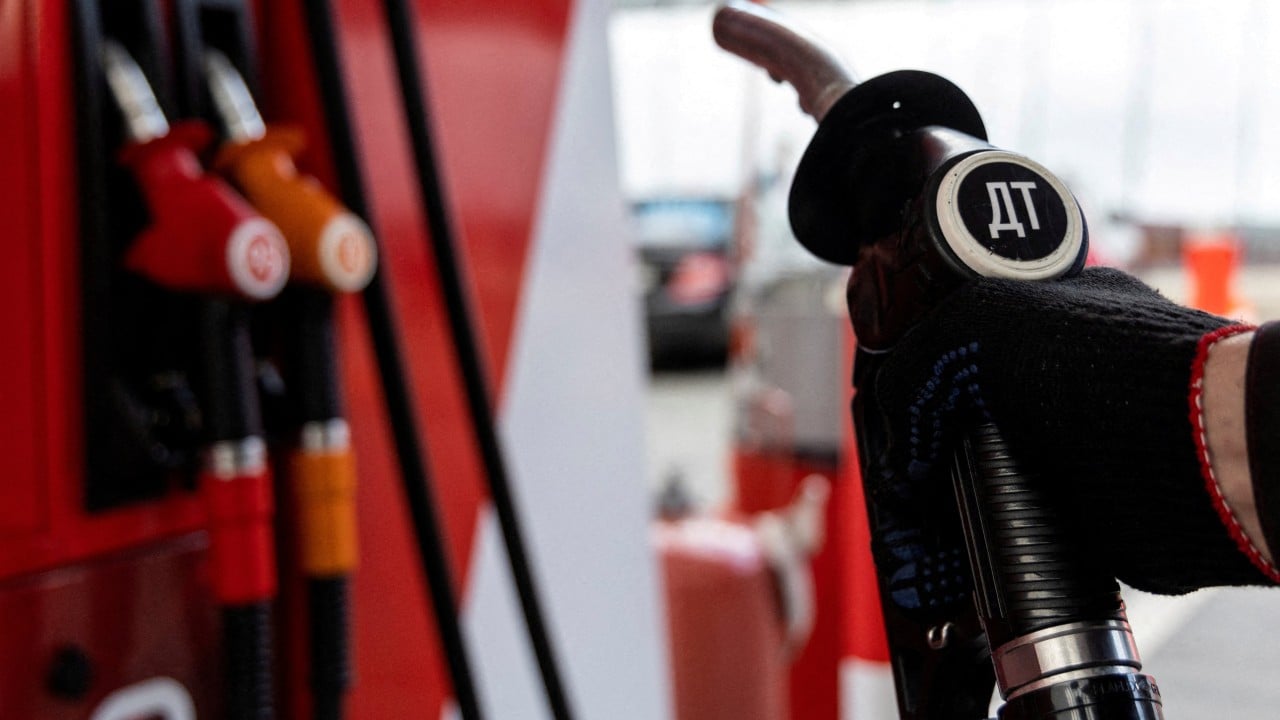
The ink was barely dry on Washington's temporary sanctions waiver when the structural contradictions of modern energy diplomacy laid themselves bare. When the White House carved out exemptions to let Russian diesel flow outward, framed as a domestic political salve to ease domestic pump prices, capital and crude markets reacted with predictable whiplash. Yet thousands of miles away in Zhongnanhai, the leadership did not celebrate the reprieve. They calculated.
To understand why Beijing has met the bilateral arrangement between Washington and Moscow with cold skepticism requires looking past the rhetoric of global market relief. China remains the world's primary consumer of sanctioned Russian energy, absorbing massive volumes of crude and refined products through deeply integrated logistical channels and shadow networks. A sudden, politically expedient pivot from Washington does not signal a durable rewrite of Western enforcement architecture. Instead, it exposes the fickle nature of American secondary sanctions, transforming what could have been a structural shift into a hazardous trap for any external buyer adjusting its long-term positioning.
The Trap of Temporary Exemption
Markets abhor unpredictability, but state planners despise erratic policy shifts even more. The Treasury Department's emergency licensing framework was designed to address domestic retail pain points, but its shelf life is tied directly to transient electoral calendars and shifting political winds in Washington. For Chinese state-owned refiners and independent teapots alike, building supply chains around a waiver that can vanish with a stroke of a pen is a tactical error.
If Beijing were to alter its purchasing rhythms or deep-sea logistics to accommodate shifts driven by temporary American dispensations, it risks severe exposure when domestic political imperatives in North America pivot once again. The structural architecture of Western sanctions has not been dismantled; it has merely been perforated by a temporary administrative valve. Experienced commodity traders know that a temporary license is not a permanent policy doctrine. Relying on an opportunistic bilateral arrangement between unpredictable leaders leaves importing nations vulnerable to sudden regulatory snaps.
The Bilateral Friction of Great Power Bargaining
Another layer of hesitation stems from the optics and mechanics of bilateral deal-making conducted entirely outside established multilateral forums. When major energy corridors are negotiated behind closed doors between rival capitals, third-party giants are forced to evaluate where they sit in the emerging hierarchy of resource control.
Beijing has spent years insulating its domestic economy from dollar-denominated trade vulnerabilities by settling energy transactions in alternative currencies, building resilient maritime logistics, and cementing long-term bilateral supply security with Moscow. A sudden U.S.-Russian accommodation on fuel flows injects an unwelcome element of volatility into these carefully calibrated arrangements. If Washington asserts the right to selectively grant and revoke access to global energy pools based on short-term political expediency, it treats global trade routes as transactional leverage rather than stable commercial channels.
This dynamic forces a re-evaluation of risk models across Asian trading desks. When a superpower uses sanctions waivers as a domestic pressure valve, the secondary effects ripple outward, inflating insurance costs, complicating charter agreements, and creating compliance grey zones. For Chinese planners, the rational response to such unpredictability is not alignment, but insulation.
The Illusion of Market Relief
The core rationale offered for the arrangement was straightforward: inject more refined product into the global market to drive down prices for consumers. Yet physical trade flows rarely bend so neatly to political announcements. Much of the redirected product found alternative homes or failed to materialize in the volumes promised, demonstrating the friction inherent in trying to micromanage global commodity distribution via executive decree.
Energy markets operate on deep storage metrics, refinery margins, and logistical bottlenecks, not diplomatic communiqués. When a major supplier's export capacity is heavily constrained by ongoing infrastructural damage and maritime restrictions, political waivers cannot instantly conjure barrels out of thin air. Beijing recognizes that structural deficits in global refining cannot be wished away by temporary legal immunities.
Navigating the Post-Sanctions Reality
Ultimately, the hesitation observed in eastern boardrooms is rooted in a pragmatic reading of great power competition. Temporary accommodations do not equal permanent détente. As long as Washington retains the legislative machinery to penalize buyers of Russian energy at will, any alignment with transient U.S. policy shifts remains an uncalculated hazard.
Prudence dictates watching how domestic legal challenges, congressional pushback, and shifting electoral outcomes reshape American foreign policy over the horizon. Until structural consistency replaces expedient maneuvering, the most sensible strategy for major external importers is to maintain distance from arrangements built on shifting sands.