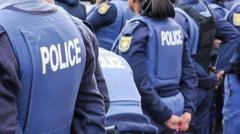
A peaceful coastal escape just turned into a war zone. Over the weekend, the picture-perfect port town of Mossel Bay in South Africa's Western Cape became the epicenter of brutal, coordinated anti-migrant violence. When the smoke cleared from the Asla Park and New Rest informal settlements, multiple people lay dead, dozens of homes were reduced to ash, and hundreds of foreign nationals were running for their lives.
If you think this is just another local protest getting slightly out of hand, you're missing the bigger picture. The tragic events in Mossel Bay represent a dangerous, escalating pattern of nationwide anti-immigrant sentiment that threatens regional stability right before South Africa's local government elections.
The human toll is devastating. The South African Police Service (SAPS) confirmed they are investigating the murders of two Mozambican men, aged 27 and 43, who were beaten and sustained fatal injuries during the chaos. Meanwhile, the Mozambican government paints an even bleaker picture. They state that five of their citizens were killed directly in what they explicitly label as xenophobic attacks. Another two died in a frantic car crash while trying to flee back across the border.
Let's break down exactly what happened, why the official numbers don't match, and what this means for the immediate future of migration and safety in South Africa.
What Happened on the Ground in KwaNonqaba
The violence erupted on Friday night, May 29, 2026. A massive crowd targeted the Asla Park informal settlement in KwaNonqaba, a township on the outskirts of Mossel Bay. This wasn't a peaceful march. It was an organized onslaught where a group of people systematically set fire to homes.
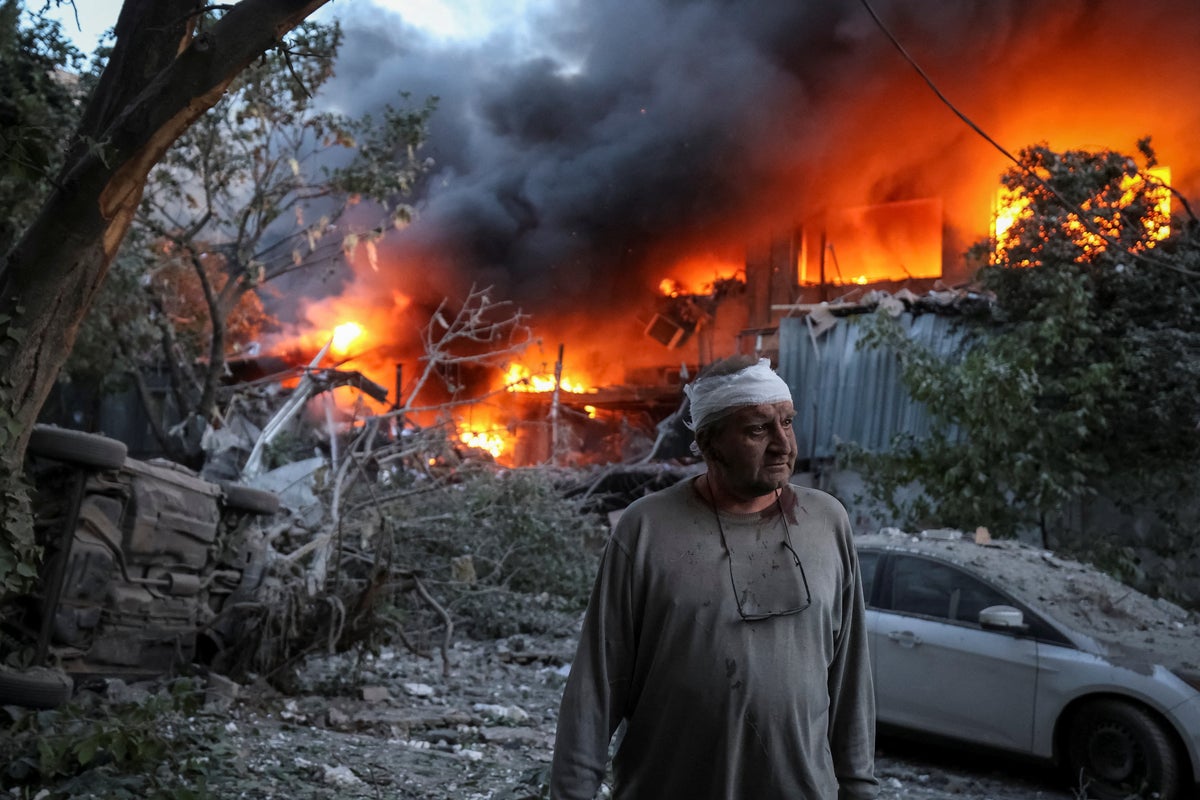
By the time the George Public Order Police unit and local fire services managed to get the flames under control, 55 shacks had been completely destroyed. Hundreds of residents found themselves instantly homeless, displaced into the cold night with nothing but the clothes on their backs.
As daylight broke on Saturday morning, the true horror of the night became clear.
- At dawn, police discovered the body of a 27-year-old man with multiple trauma injuries scattered across the area.
- Minutes later, a 43-year-old man was rushed to a local hospital with severe assault injuries. Doctors declared him dead on arrival.
- Both victims were later identified as Mozambican nationals.
The bloodshed didn't stop there. Early Sunday morning around 3:00 AM, the violence spilled over into the nearby New Rest informal settlement. Paramedics were called to a shack where they found an 18-year-old South African teenager with fatal stab wounds. He died at the scene.
The Disconnect Between Maputo and Pretoria
There's a glaring, uncomfortable discrepancy between how South African authorities and the Mozambican government are reporting these deaths.
SAPS is treating the situation with extreme bureaucratic caution. They confirmed two Mozambican deaths and one South African death, carefully noting that they are still investigating the exact motives. They haven't officially used the word "xenophobia" in their primary charge sheets, choosing instead to focus on separate murder dockets.
Maputo isn't playing diplomatic nice guy. The Mozambican government press office released a blunt statement identifying five direct casualties of targeted xenophobic violence in Mossel Bay. They revealed that 800 Mozambicans were caught up in the weekend's crosshairs. The panic was so severe that 300 Mozambicans immediately fled the town on Saturday to make the long trek home by their own means. The remaining 500 nationals had to be moved to a secure, undisclosed location in the Western Cape while emergency repatriation efforts were organized.
When local mayors like Mossel Bay's Dirk Kotze publicly voice deep dismay at "xenophobic attacks where people have been murdered," it's clear that the local community knows exactly what this is, even if top-tier police statements remain guarded.
The Fuel Behind the Fire
Why Mossel Bay, and why now? This isn't an isolated incident. It's the latest flare-up in a wave of countrywide protests against undocumented immigration that has hit Johannesburg, Durban, and parts of the Eastern Cape.
South Africa is gearing up for local government elections this November. Historically, political tension in the country translates to increased scapegoating of foreign nationals. Frustrated communities facing high unemployment, inflation, and poor service delivery are easily swayed by populist rhetoric that blames migrants for local struggles.
We've seen this movie before. It happened in 2008, 2015, and 2021. Every single time, the script is identical: local frustrations boil over, politicians fan the flames, and vulnerable migrant workers pay the ultimate price.
Where the Investigation Stands Right Now
SAPS claims they are hitting back against the lawlessness, but their progress seems slow compared to the scale of the destruction.
So far, police have arrested five suspects. Two individuals were slapped with public violence charges and appeared in court, only to be released on a meager R1,000 bail each. Three others face charges for possessing presumed stolen property.
As for the actual murders? Nobody is behind bars. Police say they are searching for a "known suspect" in the stabbing of the South African teenager, but the killers of the Mozambican men remain completely at large.
Public order police units remain on high alert in KwaNonqaba. While no new clashes have been reported since Monday, the quiet on the streets feels like a temporary truce rather than actual peace.
Real Next Steps for Communities and Employers
If you live in the Western Cape or run a business that employs migrant workers, you can't afford to sit back and watch the news passively. The tension is real, and it spreads fast. You need to take practical steps immediately to protect lives and property.
Audit Your Safety Protocols
If you manage a business or community center in areas experiencing high tension, establish a direct communication line with local community policing forums (CPFs). Don't rely solely on standard emergency lines. Know who your neighborhood sector police commanders are and have their direct numbers ready.
Stop Sharing Unverified Content
The police explicitly warned against spreading unverified videos and messages on WhatsApp and Facebook. Most of the panic that drives people to burn down shacks is fueled by old videos or fake voice notes alleging crimes that never happened. Verify before you share. If you can't prove it happened today, don't pass it on.
Secure Immediate Legal Identification
For foreign nationals living in these zones, ensure all your legal documentation, permits, and identification papers are digitized. Keep physical copies in a secure, fireproof location or with a trusted third party outside the informal settlements. When violence erupts and shacks go up in flames, losing your paperwork makes getting state help or repatriation assistance ten times harder.
The situation in Mossel Bay is a stark reminder of how fragile community safety is right now. Keeping quiet and hoping the anger blows over isn't a strategy anymore. Look out for your neighbors, secure your vital documents, and demand actual accountability from local law enforcement before the next neighborhood goes up in flames.
.png?width=1200&auto=webp&trim=0%2C0%2C0%2C0)

.jpg?width=1200&auto=webp&trim=0%2C100%2C0%2C100)