The fluorescent lights of the supermarket aisle hum with a sterile, relentless buzz. It is a sound that millions of people know too well. It is the soundtrack of calculation.
Picture Sarah, a fictional mother of two standing right there by the dairy case, her thumb tracing the frayed edge of a twenty-dollar bill inside her coat pocket. She looks at a carton of eggs. She looks at the price tag. Then, she looks away. She puts the carton back, choosing silence and hunger over a fractured budget.
This is not a political talking point. This is arithmetic. It is the cruel math that has defined kitchen tables across America for years.
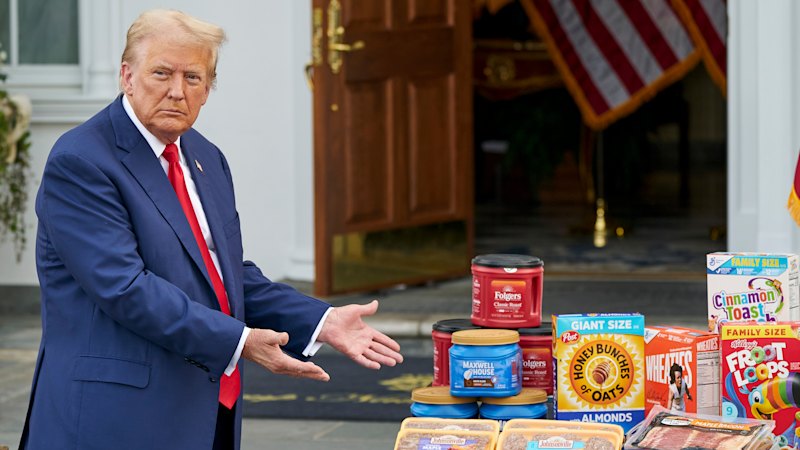
Years ago, a former president stepped into a South Carolina grocery store for a campaign photo opportunity. Cameras flashed. A cheerful gesture was made. A roll of cash was handed over to a stranger to help cover her groceries. It was designed to look like a moment of populist solidarity. A snapshot for the evening news. A quick fix captured on film.
Politicians love snapshots. They prefer the clean frame, the frozen second where life looks manageable and tidy. But real life does not stay frozen.
Long after the cameras packed up and the motorcades rolled away, that single afternoon in the store took on a strange, enduring life of its own. It became an unintended ghost. When the midterm elections rolled around, Republican candidates found themselves haunted not by sweeping legislative defeats or complex policy debates, but by the memory of a checkout lane.
Why? Because voters remember how things look versus how things feel.
Inflation is an invisible architect. It does not announce itself with a loud crash. It slips into your cart quietly. It replaces the brand you trust with the generic alternative. It shrinks the cereal box while raising the price. It turns a routine Tuesday grocery run into an exercise in quiet humiliation.
When a politician stages a scene about the cost of living while using the very struggle as a prop, voters notice. The disconnect lands hard. It breeds a quiet, simmering resentment that lingers long after the news cycle moves on.
Consider what happens next in the voting booth.
You do not cast a ballot based on a thirty-second clip you saw on your phone three months ago. You cast it based on the knot in your stomach every time you swipe your debit card. You cast it based on the receipt crumpled in your center console.
The midterms became a referendum on empathy, or the lack thereof. Candidates who tried to talk past the issue found themselves facing brick walls of exhausted constituents. You cannot spin your way out of empty pantries. You cannot rhetoric away the cost of milk.
History teaches us a harsh lesson about political theater. It has a shelf life. It expires the moment reality breaks through the script.
During times of economic strain, people develop a sharp radar for authenticity. They can smell performance from a mile away. When a high-profile figure drops into a local shop to perform concern for the cameras, it highlights a gulf. That gulf is not just financial. It is experiential. It is the distance between someone who visits a grocery store as an event and someone who visits it as a test of survival.
The political fallout for the Republican party during those midterms was a masterclass in this exact disconnect. Campaign strategists spent millions trying to pivot to broader macroeconomic themes, trying to steer conversations toward national security or abstract taxation rates. But voters kept pulling the narrative back to the register.
Prices. Rent. Gas. Groceries.
These are not abstract concepts. They are the floorboards of daily existence. When the floorboards begin to rot, you do not care about the interior design choices of the house. You care that you are sinking.
That grocery store photo op became a metaphor for a broader political blind spot. It signaled a belief that symbolism could substitute for substance. It assumed that a clever visual could overwrite the lived trauma of inflation.
It failed.
The public ledger is unforgiving. Every time a voter walked past the produce section and winced at the cost of a head of lettuce, the memory of that staged moment flickered back to life. It became a symbol of out-of-touch posturing.
We live in an era where cynicism is the default setting. People are tired of being managed. They are tired of being treated as demographics to be captured rather than human beings trying to stay afloat. When a political moment feels false, it does not just fade away. It festers. It hardens into a defense mechanism.
The midterms proved that politics remains intensely local and profoundly visceral. You can draft the best talking points in a quiet Washington boardroom, but they will eventually have to survive the harsh light of a local supermarket aisle.
And they rarely do.
The receipt sits on the counter, long after the politicians have gone home, waiting to be paid.