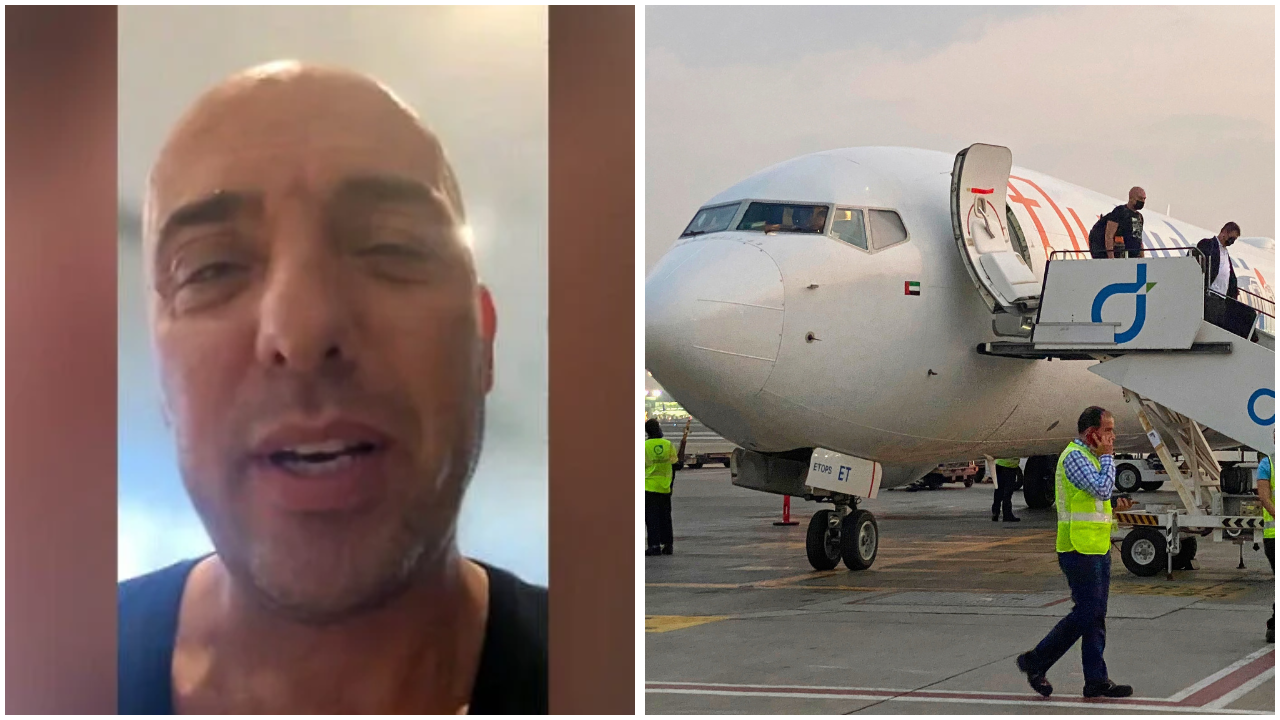
The headlines rolled in like clockwork. A Flydubai flight turns into a high-altitude psychodrama, passengers tie a pilot down with headphones, and the internet erupts into a chorus of predictable gasps. People pointed fingers at cockpit security protocols, airline hiring screens, and the terrifying vulnerability of sitting thirty thousand feet in the air with someone losing their grip.
Everyone missed the point.
Focusing on the physical restraint of an unravelling aviator treats a symptom while ignoring a bleeding artery. For decades, commercial aviation has built its entire human factors philosophy on a foundation of archaic denial. We treat pilot mental health like an occupational hazard we can sweep under the rug with a bi-annual checkbox questionnaire and a silent warning that seeking help means losing your livelihood.
I have spent years watching corporate bureaucracies try to engineer human emotion out of high-stakes environments. It never works. When you back a high-performing professional into a corner where admitting to anxiety, burnout, or situational depression is a fast track to unemployment, you do not create a safe cockpit. You create a pressure cooker.
The Stigma Equation is Broken
Let us look at the standard narrative. When an incident like this happens, the knee-jerk regulatory reaction involves tightening medical standards, adding more intrusive psychological screening, and demanding stricter compliance.
That is backwards.
When the Federal Aviation Administration or international equivalents treat mental health disclosures as a career-ending offense, pilots do what any rational human survival instinct dictates: they lie. They mask symptoms. They pop over-the-counter sleep aids, push through acute panic, and self-medicate in silence until the system snaps.
Imagine a scenario where a long-haul captain feels a panic attack coming on mid-flight. Under current cultural norms, calling out sick or signaling distress to dispatch triggers a labyrinthine medical investigation that can ground them for months, drain their savings, and threaten a career they spent hundreds of thousands of dollars and two decades building.
The rational choice for that pilot is concealment. The systemic flaw is punishing honesty.
We do not have a pilot screening problem. We have an institutional honesty problem.
The Myth of the Unflappable Machine
Aviation training molds people into stoic monoliths. From day one in ground school, cadets learn to compartmentalize. Emotions are inefficiencies. Stress is just another variable to calculate.
This works brilliantly until it doesn't.
Human brains are not rated for thirty-hour duty cycles, chronic circadian disruption, dehydration, and the crushing weight of five hundred lives resting on split-second decisions while flying across six time zones in a single week. When a pilot finally cracks under that relentless accumulation of physiological and psychological debt, pundits act shocked.
They shouldn't be.
The industry relies on a cognitive dissonance. We demand that pilots possess the sensitivity and situational awareness of artists combined with the emotional detachment of surgical robots. When an individual inevitably fails to maintain that impossible robotic facade, the media sensationalizes the spectacle of headphones wrapped around wrists, completely ignoring the systemic negligence that forced that person into a corner with no safe exit.
Real Solutions Require Brutal Transparency
Fixing this requires dismantling how airlines handle human vulnerability.
First, peer support programs must be legally firewalled from regulatory reporting. If a pilot cannot talk to a colleague or a confidential mental health professional without fear of a mandatory FAA or EASA notification, the program is nothing more than window dressing. Real peer support requires absolute, uncompromising confidentiality.
Second, airlines need to stop treating fatigue and acute psychological distress as disciplinary infractions. When a crew member pulls the plug on a flight because they are mentally tapped out, it should be treated with the same neutrality as an engine indicator light flashing a temperature warning. You don't berate a turbine for overheating; you land and fix it.
The downside of this approach? It costs money. It requires staffing redundancy. It means airlines have to carry extra crew members to absorb unexpected dropouts instead of running ultra-lean schedules that push operating margins to the absolute razor's edge.
Right now, corporate aviation would rather gamble on a pilot flying while quietly falling apart than invest in the operational slack required to let them heal.
The next time a mid-air crisis makes the front page, spare me the hand-wringing about cabin security and passenger heroics. Look at the airline roster. Look at the rest requirements. Look at the culture that told a human being to suffer in silence until screaming at the cabin was the only voice they had left.
Stop waiting for the next breakdown to prove that our safety models are failing. Fix the pressure cooker before it explodes again.