The air in the control room always smells of stale coffee and electronic heat. At three in the morning, under the soft glare of amber monitors, you can hear the faint hum of a continent's worth of energy moving through steel veins thousands of miles long. Tariq has worked this shift for twenty-two years. He remembers the quiet panic of the pandemic years, when tankers sat idle like ghost ships in the Gulf, and the digital readouts flatlined into a flat, terrifying green line. Back then, the world stopped breathing. The factories went dark, the highways emptied, and the great liquid engine of global commerce sputtered.
Today, the monitors are a different color. They pulse with a restless, climbing amber.
Last month, Middle East oil exports quietly crossed a threshold that most forecasters spent the last five years saying was out of reach. They topped pre-war levels.
Let that sink in for a moment. Through regional tremors, supply chain fractures, shifting geopolitical alliances, and a frantic global chorus preaching the gospel of green transition, the old machinery did not break. It accelerated.
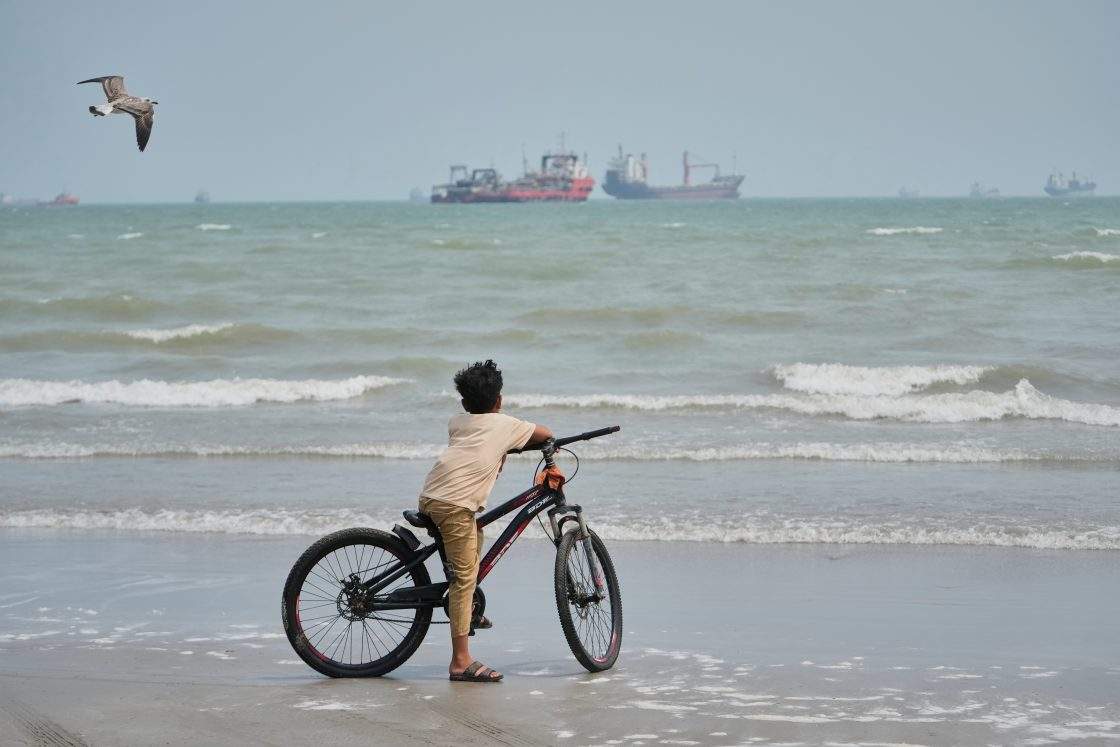
To understand why this matters, you have to step away from the macroeconomic spreadsheets and look at the physical reality of the earth beneath our feet and the pipes that pull its ancient secrets to the surface. Oil is not just a commodity. It is the blood of the modern schedule. When exports surge past historical benchmarks, it is not because politicians signed treaties in air-conditioned rooms. It is because somewhere out in the desert, a valve was opened wider, a pump ran hotter, and a tanker slipped away into the dark water of the Persian Gulf, heavy with the weight of combustion.
Consider what happens next in an ordinary household half a world away. A mother turns on her kitchen light before dawn. A delivery truck starts its engine on an icy street in Chicago. A container ship clears the harbor in Singapore, stacked high with electronics manufactured thousands of miles inland. None of these people are thinking about pipeline pressures in the Middle East. They are simply living their lives, buoyed by an invisible, relentless current of energy that flows from extraction sites most of them could never find on a map.
When export volumes climb back above pre-war highs, it signals a brutal, unromantic truth about human civilization. We are tethered.
For the past decade, analysts have framed the global energy story as a grand narrative of replacement. Solar panels gleam on suburban rooftops. Wind turbines sweep the horizon like slow, white giants. Electric vehicles hum silently through city streets. These shifts are real, measurable, and accelerating. Yet, beneath the rising tide of renewables lies a bedrock reality that refuse to crack. Global demand for liquid fuels did not shiver and die; it adapted. Emerging economies grew hungrier. Aviation roared back to life with a vengeance. Petrochemicals continued to bind together every piece of plastic, fertilizer, and synthetic fiber in our daily existence.
Tariq watches the digital dials climb. He knows what those numbers mean in human terms. They mean employment for hundreds of thousands of roughnecks, engineers, cooks, and sailors. They mean national budgets balancing on a knife-edge in capitals thousands of miles away, funding schools, hospitals, and infrastructure projects that keep millions of families afloat. But they also mean something heavier. They mean the clock is still ticking on a carbon budget that the atmosphere is struggling to digest.
There is a strange vertigo in watching these export charts rise while the headlines outside are dominated by climate summits and transition milestones. It feels like watching two different movies at the same time. In one movie, humanity is bravely stepping into a clean, electrified future. In the other movie, the old heavy machinery is running faster than ever, driven by an insatiable global appetite that refuses to be starved.
Both movies are true. That is the tension we live inside.
The surge in Middle East exports tells us something vital about resilience. Supply chains that were predicted to shatter under the weight of conflict and sanction have instead rerouted. New trade corridors opened. Tankers took longer, more circuitous paths around troubled waters, burning more fuel to deliver their cargo, but the cargo arrived anyway. The market, cold and calculating, found its equilibrium.
When you look at the raw data, the numbers are stark. Production quotas agreed upon in closed-door ministerial meetings in Vienna or Riyadh are constantly tested by the raw gravitational pull of market demand. When a barrel of oil can command a steady price, the temptation—and the economic necessity—to pump it out of the earth is nearly irresistible. Nations with young populations and ambitious modernization programs need revenue today, not twenty years from now when the transition might finally mature.
This is the invisible friction of our era. We want a clean horizon, but we run on fossil fuels. We demand climate accountability, but we panic when the price at the pump ticks upward by a single dollar.
As Tariq’s shift winds down and the desert sky outside the control room window begins to streak with the pale, cold violet of dawn, a new set of data scrolls across his screen. The volume holds steady. The ships are moving. The world is waking up, burning the ancient sunlight of the Miocene epoch to power another Tuesday.
The river of black gold has not run dry. It has simply found new channels, proving once again that changing the habits of eight billion people is not a revolution that happens overnight. It is a slow, grinding negotiation between what we dream of becoming and what we desperately need to survive the morning.