The ground does not scream when it is wounded. Deep beneath the salt deserts of central Iran, under layers of concrete and steel designed to withstand the end of the world, there is a specific kind of quiet. It is the hum of thousands of silver cylinders—centrifuges—spinning at speeds that defy intuition. They spin so fast that the tips of the rotors approach the speed of sound. If you were standing in that hall, the sound would be a shimmering, metallic drone, a physical weight against your eardrums.
Then, the lights flicker.
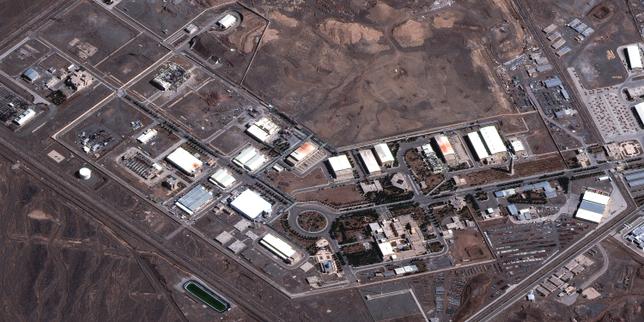
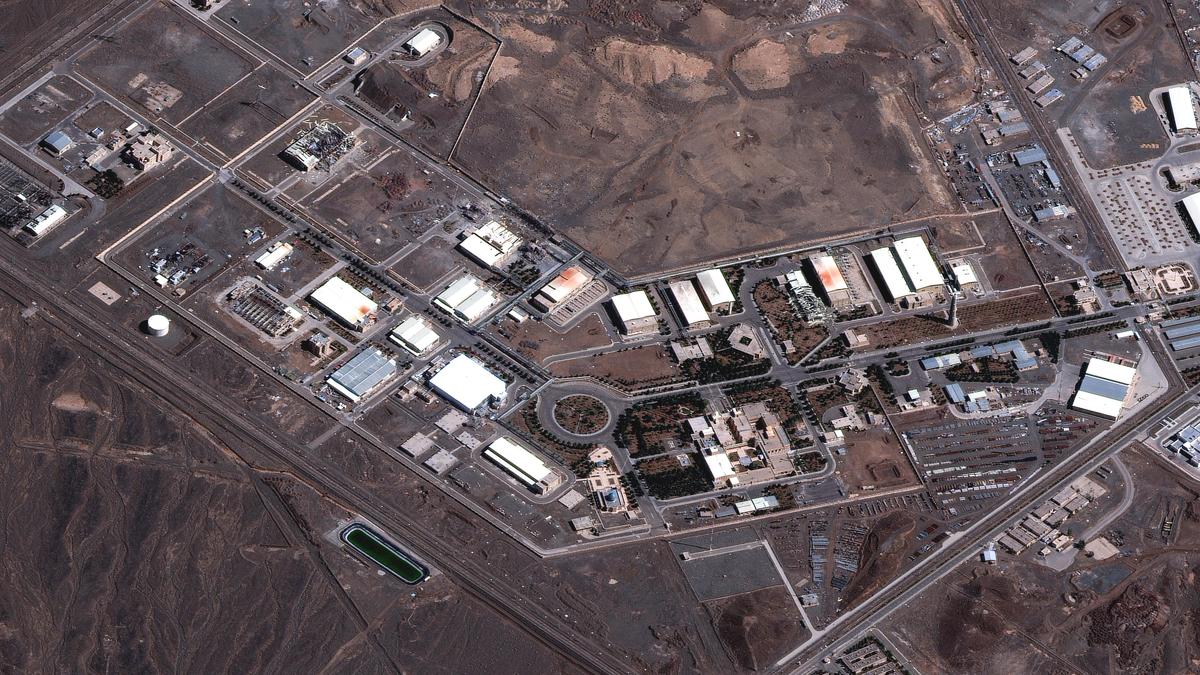
In April, that hum broke. It didn't break with a cinematic explosion or a fireball visible from space. It broke with a whisper of failing circuits and a surge of power that turned those precision-engineered machines into scrap metal. This is the reality of the strike on the Natanz nuclear facility. We call it "cyber warfare" or "sabotage," terms so sterile they bleed the humanity out of the event. But for the technicians standing in those corridors, it was the moment the floor fell out from under their life’s work.
The official reports from the Atomic Energy Organization of Iran were clipped. They spoke of a "terrorist act" and a "power failure." They pointed fingers across the border toward Israel and the United States. But those headlines are just the surface tension on a very deep, very dark well. To understand what happened at Natanz, you have to look past the geopolitical chess pieces and see the invisible war being fought in the pulses of electricity and the lines of code that now dictate the fate of nations.
The Ghost in the Machine
Modern conflict has moved from the trenches to the motherboard. In the old world, if you wanted to stop a country from developing a weapon, you sent a squadron of bombers. You dealt with the smoke, the debris, and the international outcry of a physical invasion. Today, you send a ghost.
Consider the complexity of a centrifuge. It is a masterpiece of physics. It takes uranium hexafluoride gas and spins it so violently that the slightly heavier isotopes are pulled to the edges, leaving the "enriched" material in the center. It is a delicate balance. Even a tiny vibration, a microscopic hiccup in the timing of the motor, causes the entire assembly to shatter.
Imagine a master watchmaker working on a piece of jewelry. Now imagine someone remotely reaching into his brain and making his hand twitch at the exact second he sets the balance wheel.
The strike on Natanz wasn't just a power outage. It was a surgical strike on the heartbeat of a program. By targeting the internal power distribution system, the attackers didn't just turn off the lights; they ensured that when the power surged back, it would do so with a violence that the machines couldn't survive. It is a psychological blow as much as a technical one. It tells the people inside the mountain: We are here. We see you. Even your shadows belong to us.
The Weight of the Concrete
Why go to such lengths? Why bury a factory hundreds of feet below the earth, encased in "bomb-proof" shielding?
The answer lies in the scars of history. For decades, the shadow of the 1981 Osirak strike—where Israeli jets leveled an Iraqi reactor—has loomed over the Middle East. Every nation watching that event learned a singular lesson: if you build it above ground, they will come. So, Iran went down. They chose the foothills of the Zagros Mountains, a place where the earth itself acts as a shield.
But the shield has a flaw. It creates a sense of false security. When you are deep underground, you feel untouchable. You believe that the thickness of the rock is proportional to your safety. Yet, in the digital age, rock is porous. Data moves through the air. Code travels on thumb drives. The very systems designed to keep the facility running—the cooling, the power, the monitoring—are the veins through which a poison can be injected.
The technicians at Natanz are among the most educated people in their country. They are fathers, sons, and scholars who believe they are securing their nation’s energy future or its sovereign pride. When the power grid failed, they weren't just looking at a technical glitch. They were looking at the fragility of their entire worldview.
The Invisible Stakes
We often talk about these events as if they are isolated incidents, like a score in a football game. U.S. and Israel: 1. Iran: 0.
That is a dangerous simplification.
Every time a "Stuxnet" or a "power distribution anomaly" occurs, the threshold for what constitutes an act of war shifts. We are living in a grey zone. If a physical bomb had hit Natanz and killed a dozen people, the world would be bracing for World War III. But because the damage was "technical," because the "explosion" happened inside a computer chip, we treat it as a diplomatic hurdle.
This is the hidden cost of the new warfare. It is deniable. It is quiet. It allows for a constant, low-boil escalation that never quite reaches the point of an open fire, but never allows for peace either. It creates a world where trust is a liability.
If you were a leader in Tehran, how would you respond? You can’t retaliate against a ghost with a missile—not without starting a fire you can’t put out. So, you respond in kind. You look for the vulnerabilities in the other side’s water systems, their hospitals, their colonial power grids. The "attack" on Natanz isn't a finished chapter. It is a stone thrown into a still pond, and the ripples are moving toward all of us.
The Human Element in the Dark
The most chilling part of the Natanz story isn't the broken centrifuges. It’s the realization that we have built a world where the most powerful weapons are the ones we can't see, touch, or easily defend against.
Think about the panic in the moments following the surge. The emergency lights kicking in, casting a sickly red glow over the long rows of ruined machines. The frantic checking of monitors that show nothing but error codes. The sinking realization that the "impenetrable" fortress has been breached by an enemy that didn't even have to show up.
There is a profound vulnerability in that image. It reflects our own dependence on the systems we barely understand. We rely on the grid for our heat, our food, our communication, and our safety. Natanz is a reminder that the higher we build our technological towers, the more devastating the fall when the foundation is compromised.
The political fallout will continue. Sanctions will be discussed in mahogany-rowed rooms in Vienna. Speeches will be made at the UN. Threats will be broadcast over state media. But none of that changes the silence in the mountain.
The silver cylinders have stopped spinning. The dust has settled on the concrete floor. The war didn't happen in the sky, and it didn't happen on a battlefield. It happened in the quiet space between a one and a zero, leaving behind a wreckage that no amount of concrete can ever truly protect.
The mountain remains, heavy and indifferent, a tomb for the machines that thought they were safe because they were deep.