When a London landlord loses an OBE over squalid rooms and illegal flat conversions, the real shock isn't that the palace acted. It's that it took fifteen years of housing violations and a three-year forfeiture wait to get there.
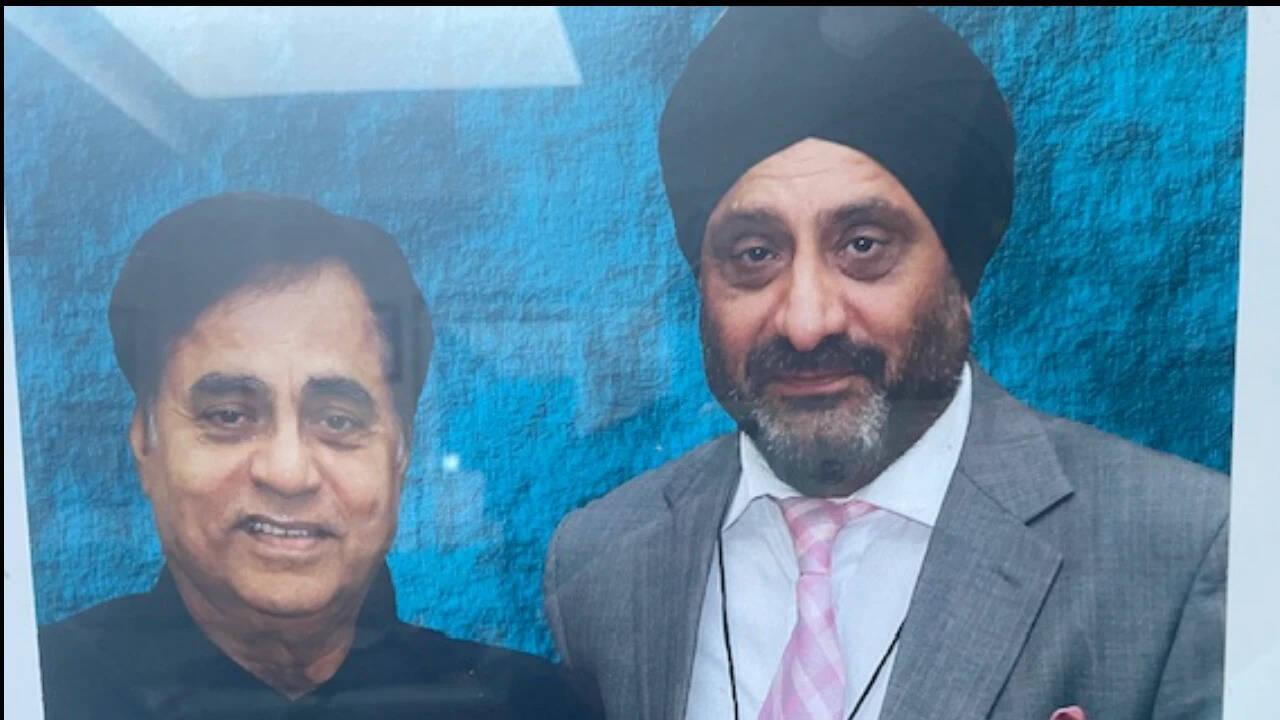
In October 2026, the UK Cabinet Office confirmed that King Charles III annulled the Order of the British Empire held by Nirpal Singh Riat—also spelled Nirpaul Riat in local reporting—after his conduct was judged to have brought the honours system into disrepute. The decision followed a £300,000 fine imposed at Isleworth Crown Court in 2023 after a prosecution by Hounslow Council over illegally converted homes and poor living conditions for vulnerable tenants, building on an earlier £20,000 fine in 2009 for an unauthorized conversion in Hanworth.
Look closely at the timeline and you see two parallel stories colliding. One is a gritty local housing enforcement battle in west London. The other is a much bigger debate over how Britain hands out prestige, why bad actors hold onto medals for years after convictions, and whether the forfeiture machinery is fair or opaque.
How a Housing Prosecution Turned Into an OBE Forfeiture
Most news summaries treat an OBE revocation like an overnight royal thunderbolt. Honestly, it rarely works that way.
In Riat's case, Hounslow Council pursued a prosecution that resulted in a £300,000 penalty at Isleworth Crown Court in 2023 over unlawful conversions and substandard accommodation, including properties marked by damp, mould, leaks, heating and hot water problems, and unauthorized divisions. Reports also note an earlier £20,000 fine in 2009 tied to an unapproved conversion in Hanworth. Local officials, including Hounslow's deputy leader Tom Bruce, pushed for his honour to be stripped on the grounds that tenants suffered while a landlord profited.
Under the UK system, a local council or member of the public can flag a recipient's conduct to the Cabinet Office's Honours Forfeiture Committee. The committee reviews whether retaining an honour brings the system into disrepute, submits recommendations through the Prime Minister to the Monarch, and sees approved cancellations published.
What strikes me as a practical reality of local enforcement is how slow the reputational catch-up can be. Court fines and planning orders happen in one track; Cabinet Office reviews move on another. By the time Riat's name appeared on the October 2026 forfeiture list, years had passed since the earlier penalties and the 2023 court ruling.
What People Get Wrong About Stripping Royal Honours
People often assume an OBE is a permanent badge of moral sainthood or that losing one requires a dramatic criminal trial. Neither is quite true.
- It isn't just for major prison sentences: Guidance from GOV.UK on honour forfeiture notes that the Forfeiture Committee can look at criminal convictions, regulatory or professional censure, or other conduct that brings the honours system into disrepute. It isn't a court of law re-trying facts; it weighs official findings and reputation.
- An honour doesn't erase past or future flaws: Honours are awarded for specific contributions—in Riat's case, reported around charitable and community work—years before later controversies surface. A medal doesn't lock in spotless behavior forever.
- Disputes over fairness are growing louder: Riat has disputed some allegations against him as fabricated and pointed to the wider fight over how forfeiture works, noting the parallel case of businessman Lord Rami Ranger, who had his CBE stripped in December 2024 and pursued a judicial review challenge.
Critics from free-speech and legal angles argue the forfeiture process lacks transparency and clear boundaries, especially when controversies spill beyond straightforward convictions. Supporters of tougher enforcement counter the exact opposite: if public honors stay attached to people fined or sanctioned for exploiting vulnerable residents, the system loses credibility. Both sides have a point, and pretending the rules are crystal clear doesn't help anyone.
The Bigger Lesson for Renters and Councils in West London
Strip away the palace pageantry for a second and look at what actually matters on the ground. A £300,000 fine hits a balance sheet. Losing an OBE stings ego and public standing. Neither automatically fixes a damp flat or prevents a landlord from cutting corners somewhere else unless inspections and enforcement stay sharp.
In my experience watching housing disputes play out, paperwork and persistence win cases. Tenants dealing with serious disrepair, missing hot water, severe damp, or unpermitted conversions shouldn't rely on polite emails to a managing agent alone. Documenting conditions with dated photos, keeping written repair logs, and contacting the local council's private housing or environmental health team creates an official record that councils actually use when building enforcement cases.
For local authorities and property compliance professionals, the takeaway is just as blunt. Councils that document repeat breaches, pursue court penalties, and follow through with formal referrals show that housing standards aren't just box-ticking exercises. Still, one high-profile forfeiture won't solve London's housing squeeze or every rogue conversion overnight.
If you're a tenant facing unsafe conditions or a landlord checking compliance rules, start with the basics today: gather clear evidence of any hazards, check your local council's housing licensing and reporting channels, and keep every notice or repair request in writing.