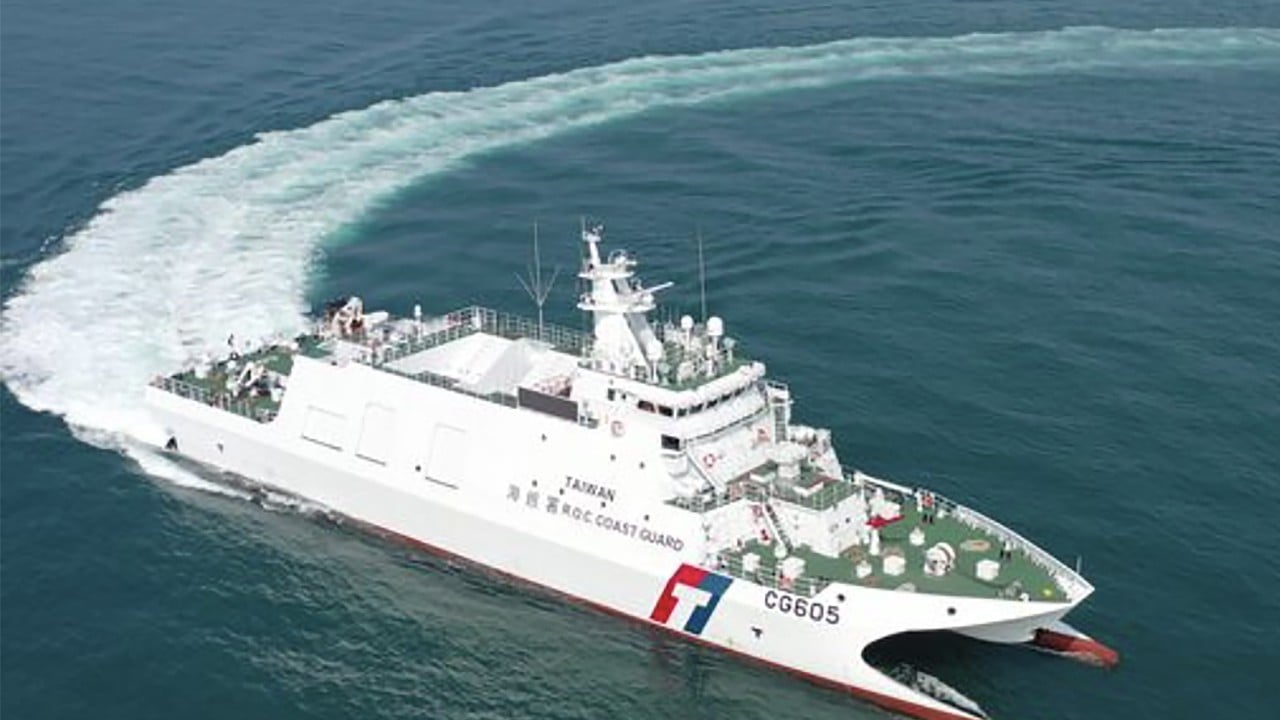
Tensions in the Taiwan Strait just hit another physical milestone. When a Taiwan Coast Guard vessel deploys high-pressure water cannons against a mainland Chinese fishing boat, it isn't just a routine maritime dispute. It's a calculated, high-stakes escalation in a gray-zone conflict that happens almost daily just miles off the coast of Taiwan.
Most people scrolling past these headlines assume it's just local fishermen straying across an invisible line. They're wrong. These incidents are pressure tests. They test response times, rules of engagement, and international nerve. If you want to understand how a major geopolitical flashpoint actually boils over, look right here at the water line.
The Reality of Gray Zone Tactics
Gray zone warfare sounds like a sci-fi term, but it's remarkably mundane and exhausting. It relies on actions that are aggressive enough to change facts on the ground, yet stay just below the threshold of triggering a hot war.
Beijing uses civilian-looking vessels—often heavily reinforced steel hull fishing boats backed by the China Coast Guard (CCG)—to crowd contested waters. They wear down the defenders. Taipei's coast guard crews face sleepless patrols, aging equipment, and impossible political math. Every time a mainland vessel crosses the median line or pushes into restricted waters near the Kinmen or Matsu islands, the Coast Guard has to make a split-second call. Do they ignore it and cede sovereignty? Or do they use force and risk sparking an international crisis?
Water cannons are the middle ground. They are non-lethal, but they pack enough punch to smash windows, wreck steering columns, and force a foreign vessel to turn around without firing live ammunition. But using them is a gamble. One miscalculated blast that sinks a boat or injures a crew member can instantly become the catalyst for a blockade or worse.
Why Kinmen and Matsu are the Danger Zones
Geography is destiny here. The Kinmen archipelago sits a mere stone's throw from the Chinese mainland city of Xiamen. On a clear day, you can see high-rise apartments across the water. Because these islands are so close to Fujian province, mainland fishing boats constantly drift into restricted waters. Some are just looking for a rich catch. Others are intelligence-gathering maritime militia vessels testing the waters.
The February 2024 tragedy near Kinmen—where a mainland speedboat capsized during a high-speed pursuit by the Taiwan Coast Guard, resulting in two deaths—proved how fragile the status quo is. That incident triggered months of heightened patrols, increased Chinese coast guard boardings of Taiwanese tourist boats, and a total breakdown in trust.
When you read about water cannons being used today, you're reading the fallout of that incident. The rules changed. The Taiwan Coast Guard can't afford to look weak, and Beijing can't afford to stop pushing.
The Logistics of Maritime Confrontation
Operating a coast guard cutter in these waters is punishing work. Crew members deal with hostile rhetoric, dangerous maneuvering, and the constant threat of larger CCG ships stepping in to shield the fishing vessels.
The mainland coast guard has undergone a massive shipbuilding boom over the last decade. They now possess monster vessels displacing thousands of tons—some originally built as naval warships before being transferred to maritime law enforcement. Against these giants, Taiwan's smaller, agile cutters are outmatched in a pure tonnage fight.
That's why water cannons and seamanship are the primary tools of defense. It's a high-stakes game of chicken on the open sea. A Taiwanese captain has to maneuver a smaller vessel within meters of a hostile hull, lock onto target, and blast high-pressure streams to disable propulsion or force a retreat, all while avoiding a catastrophic collision.
What Most Observers Miss
The mainstream media loves to frame these events as isolated maritime accidents. They aren't. Every single deployment of a water cannon is a political statement communicated in real-time.
When Taipei fires back, it signals domestic resolve and international deterrence. It tells Washington and regional allies that Taiwan will police its own waters. When Beijing responds by sending larger coast guard flotillas to circle the islands the following day, it signals absolute non-recognition of Taiwan's jurisdiction.
This is the new normal. It's a slow-motion squeeze designed to normalize mainland presence in waters that Taiwan has controlled for decades. Every splash of a water cannon represents another inch of territory contested, another precedent set, and another step closer to a permanent state of maritime siege.
Keep your eyes on the Taiwan Strait. The next major conflict won't start with a missile strike. It will start with a clipped radio transmission, a shattered windshield, and a wall of water pushing back against the tide.