The World Health Organization confirmed on Sunday that a hantavirus outbreak aboard the MV Hondius has claimed three lives, marking a chilling and unprecedented breach of maritime health protocols. While the cruise industry has spent years obsessing over Norovirus and Covid-19, this cluster suggests a massive oversight in how luxury vessels manage more obscure, deadly pathogens. One case is laboratory-confirmed, with five other suspected infections currently under investigation as the ship docks in Praia, Cape Verde.
A 70-year-old passenger was the first to succumb, dying on board before his body was transferred to Saint Helena. His 69-year-old wife followed shortly after, dying in a Johannesburg hospital after an emergency evacuation. A third passenger, a 69-year-old British man, remains in intensive care in South Africa. The speed of these deaths highlights a brutal reality. Hantavirus Pulmonary Syndrome (HPS) carries a mortality rate of nearly 40%, yet it is rarely screened for in a maritime environment.
The Ghost in the Ventilation
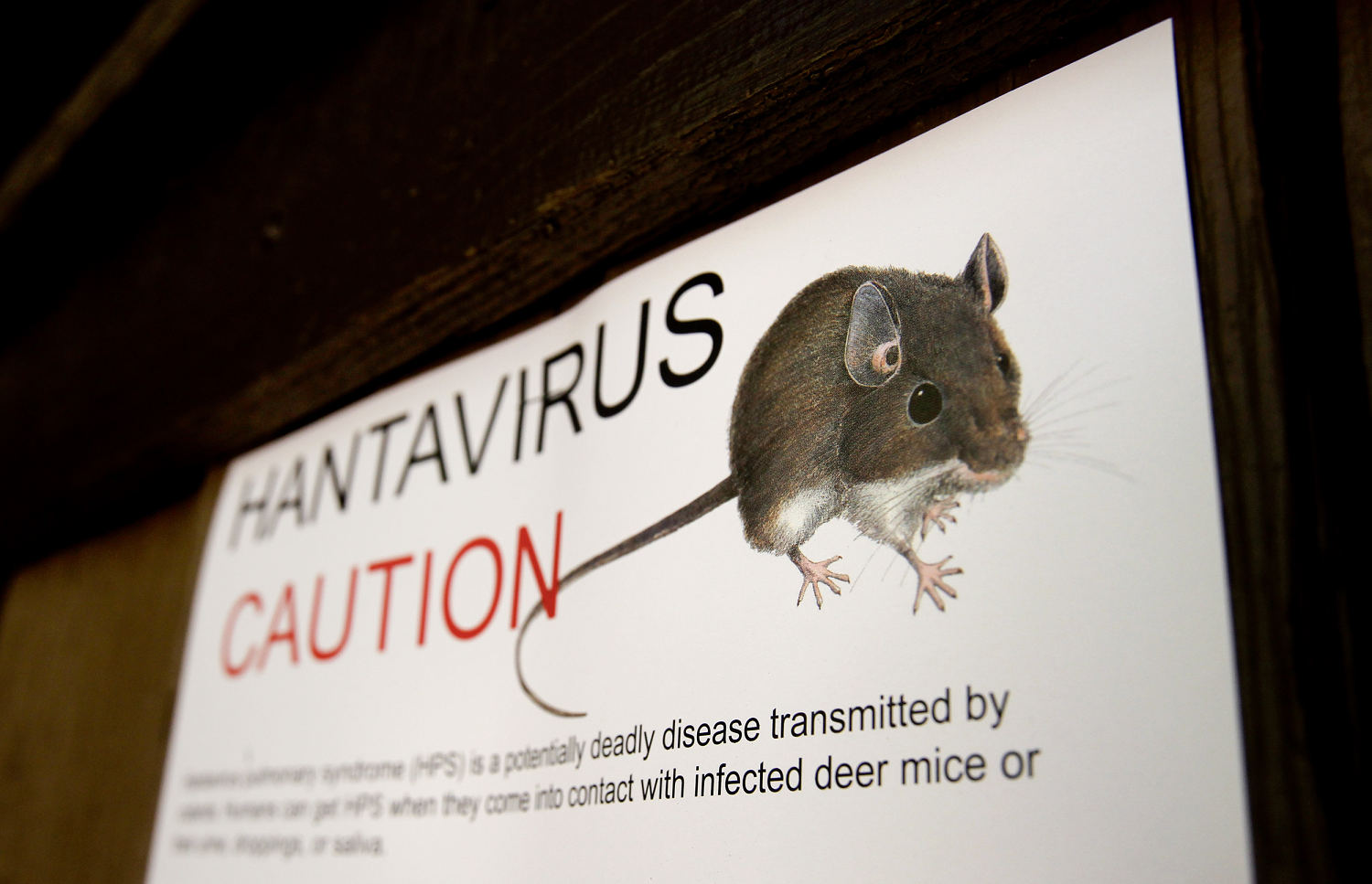
The MV Hondius is a Polar Class 6 vessel designed for rugged, remote expeditions. It departed Ushuaia, Argentina, in late March, traversing the South Atlantic with roughly 150 tourists. Investigators are now forced to look at the "how" of this transmission, which defies standard cruise ship pathology. Hantavirus is typically a disease of the wilderness, contracted by inhaling aerosolized particles of rodent urine or feces.
On a modern cruise ship, the presence of rodents is considered a catastrophic failure of sanitation. If the virus was contracted on board, it implies a hidden infestation within the ship’s internal structures or supply chain. If the virus was brought on board by a passenger, the situation is even more concerning. While person-to-person transmission is historically rare, the Andes virus strain found in South America is the one terrifying exception. Given the ship’s recent departure from Argentina, the possibility of a communicable hantavirus variant circulating in a confined space is the nightmare scenario currently being sequenced by WHO labs.
Why Maritime Screening Failed
Standard pre-boarding health questionnaires are designed to catch the flu or gastrointestinal distress. They are not calibrated for a virus that masquerades as a common cold for days before rapidly filling the lungs with fluid. The victims initially presented with fever, muscle aches, and abdominal pain—symptoms easily dismissed as "sea sickness" or minor exhaustion in an elderly demographic.
By the time the respiratory distress began, the window for effective supportive care had narrowed significantly. There is no vaccine and no specific antiviral cure for hantavirus. Treatment is purely a battle of attrition, often requiring intubation or Extracorporeal Membrane Oxygenation (ECMO) to keep the patient alive while their body fights the infection. A cruise ship, no matter how well-appointed, is not a Level 4 biocontainment facility.
The Rodent Factor in Global Logistics
We often treat cruise ships as floating bubbles, but they are deeply integrated into global logistics. Every stop at a remote port like the Falklands or South Georgia provides an opportunity for local fauna to bridge the gap between land and vessel. If a single infected rodent entered the dry-storage areas or the HVAC system in Ushuaia, the ship effectively became an incubator for aerosolized pathogens.
The industry analyst’s perspective is grim. If the DNA sequencing confirms the Andes strain, the cruise industry faces a reckoning regarding its South American routes. The current protocol of "cleaning and venting" is insufficient for a virus that can survive in dust and be pushed through a ship’s air supply.
A Broken Response Framework
The coordination between South African health officials, the WHO, and the British Foreign Office has been frantic. While the ship is now docked in Cape Verde, the damage to the "safe haven" image of luxury cruising is done. The primary failure wasn't just the infection itself, but the lack of diagnostic readiness for non-traditional threats.
Health authorities must now decide if the remaining 150 passengers are a "low-risk group" or a moving reservoir for a deadly respiratory pathogen. The current strategy of supportive care and monitoring is a reactive measure for a problem that required a proactive overhaul of shipboard pest control and air filtration years ago.
The MV Hondius is no longer just a ship; it is a case study in the vulnerability of modern travel. When a rare, high-mortality virus meets a closed-loop environment, the result is not just a medical emergency—it is a total systemic failure.
Stop treating maritime health as a checklist of common illnesses and start recognizing the vessel as a biological interface.